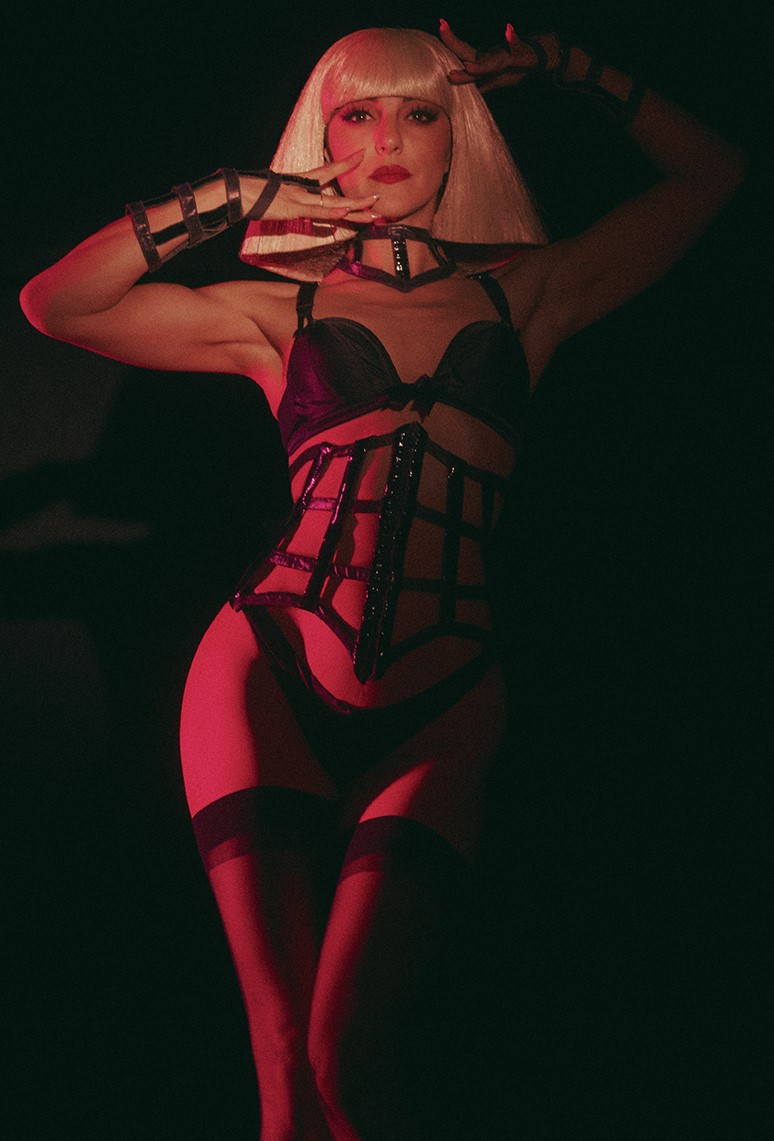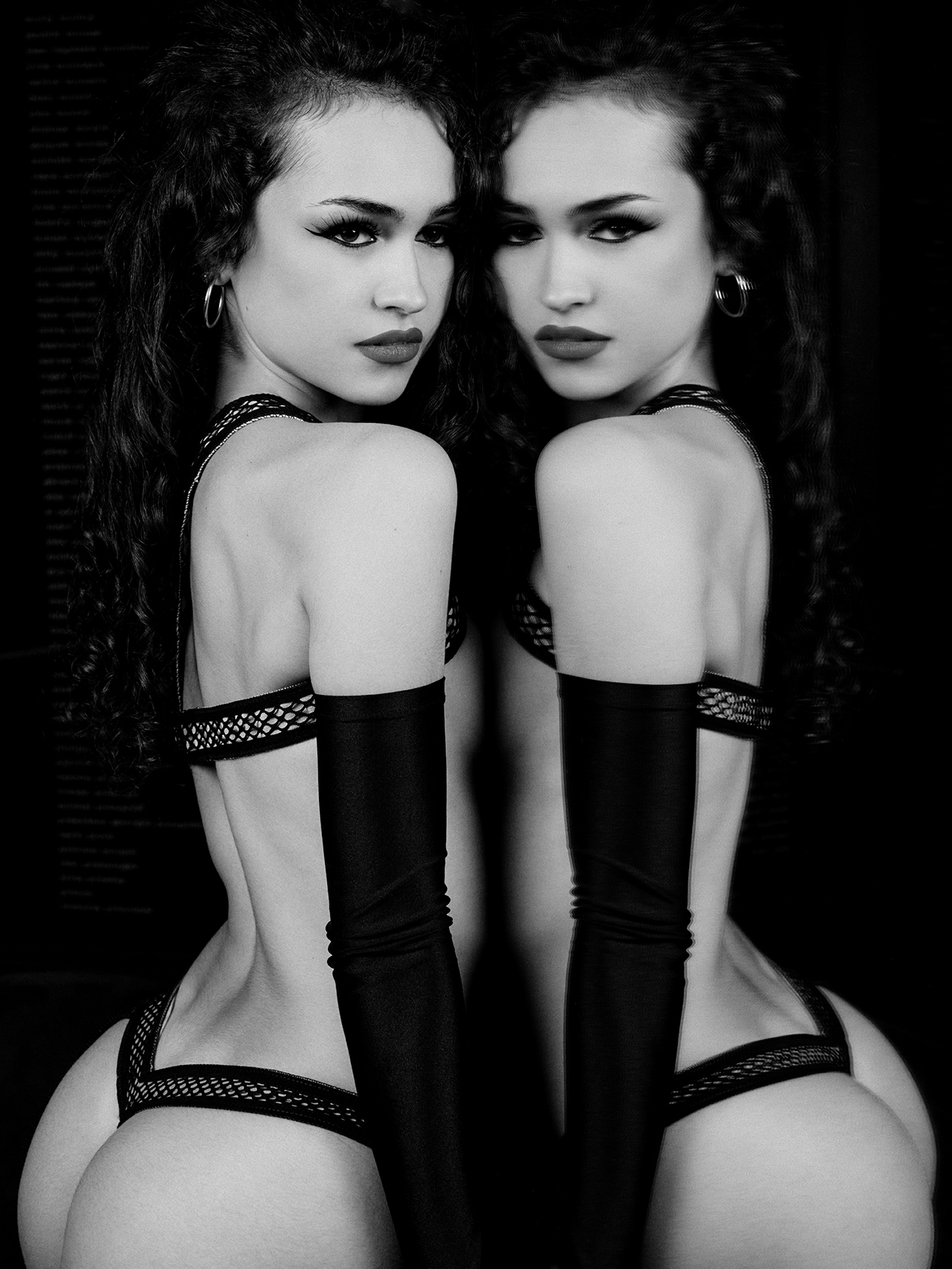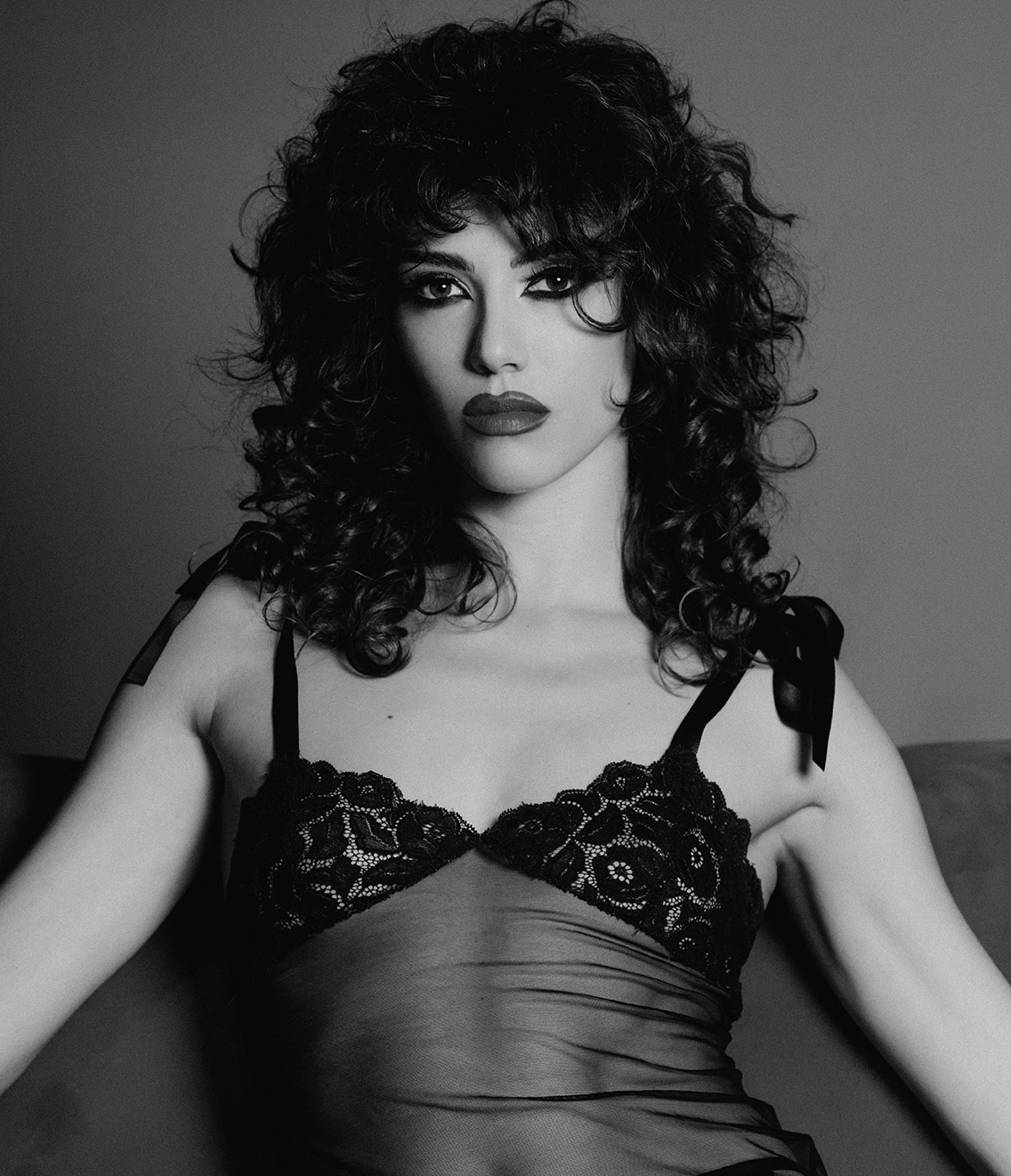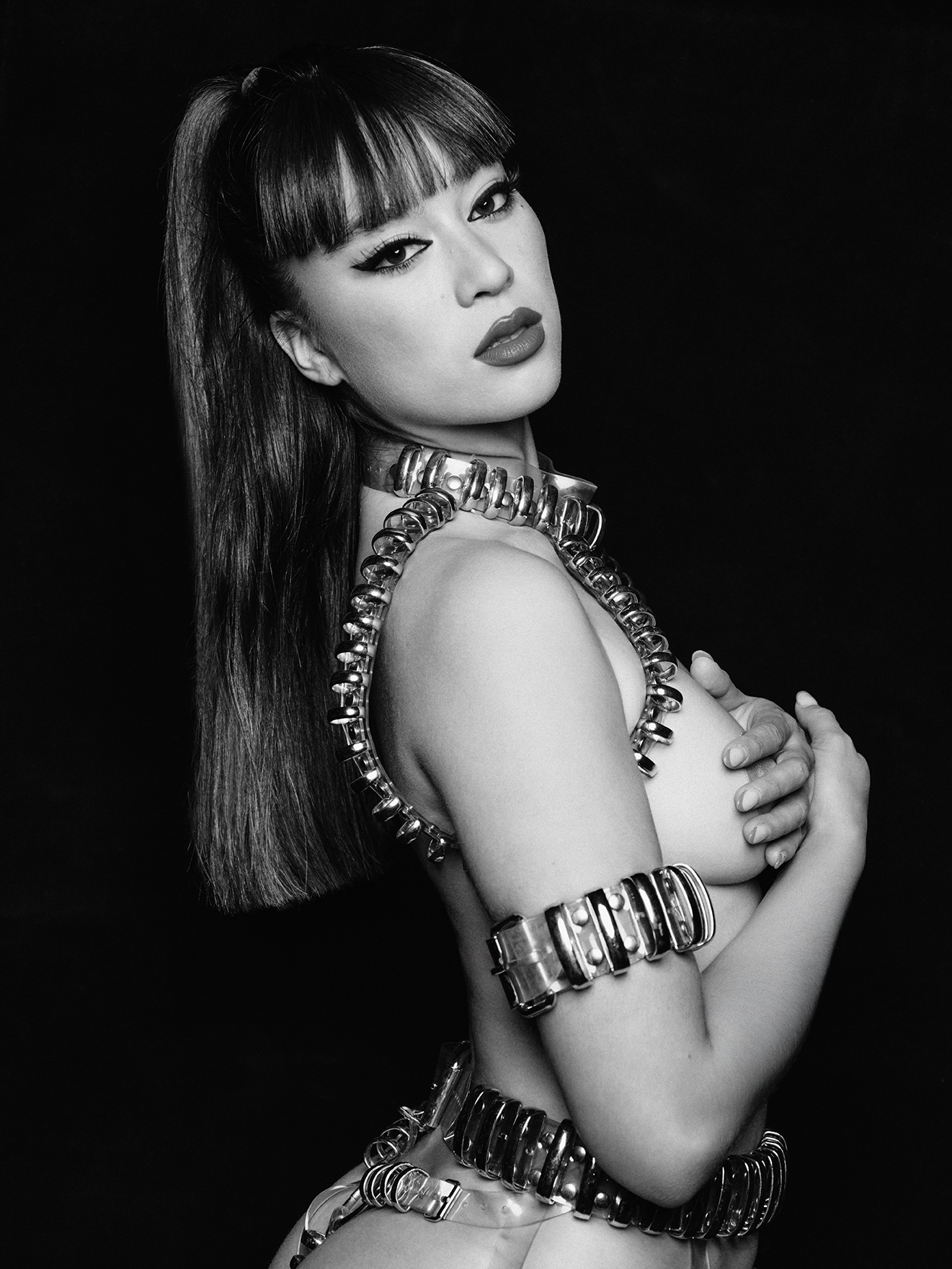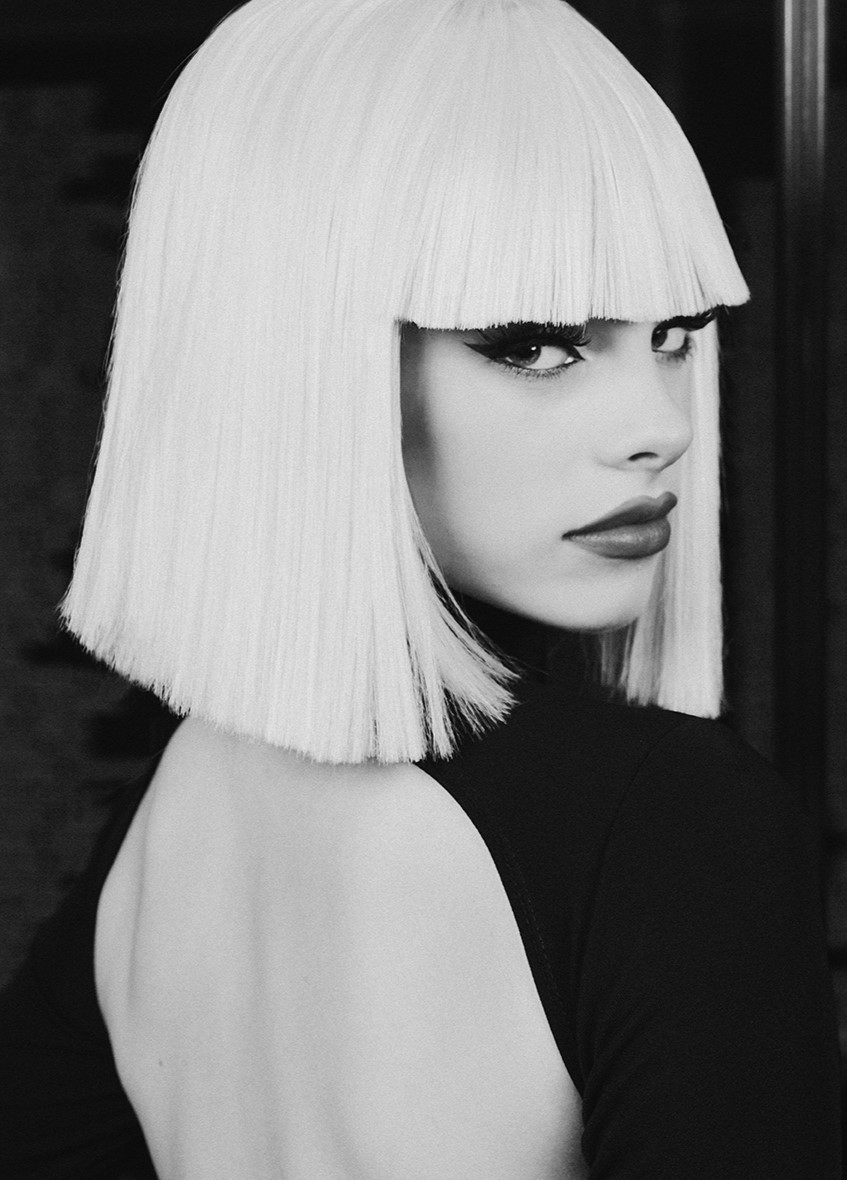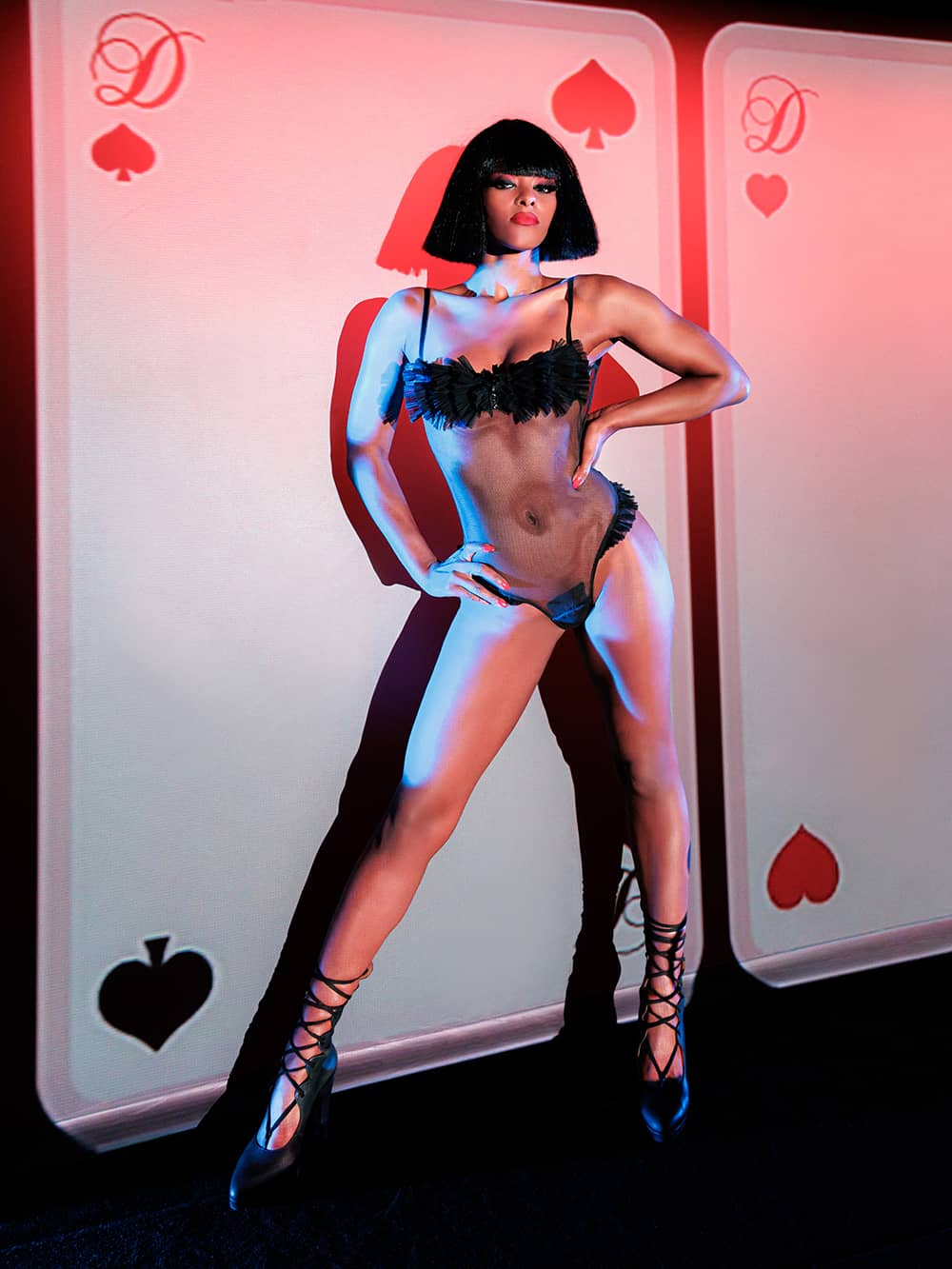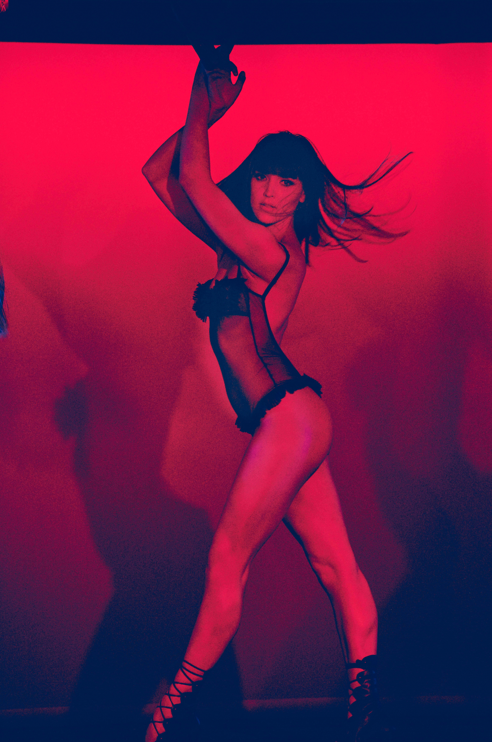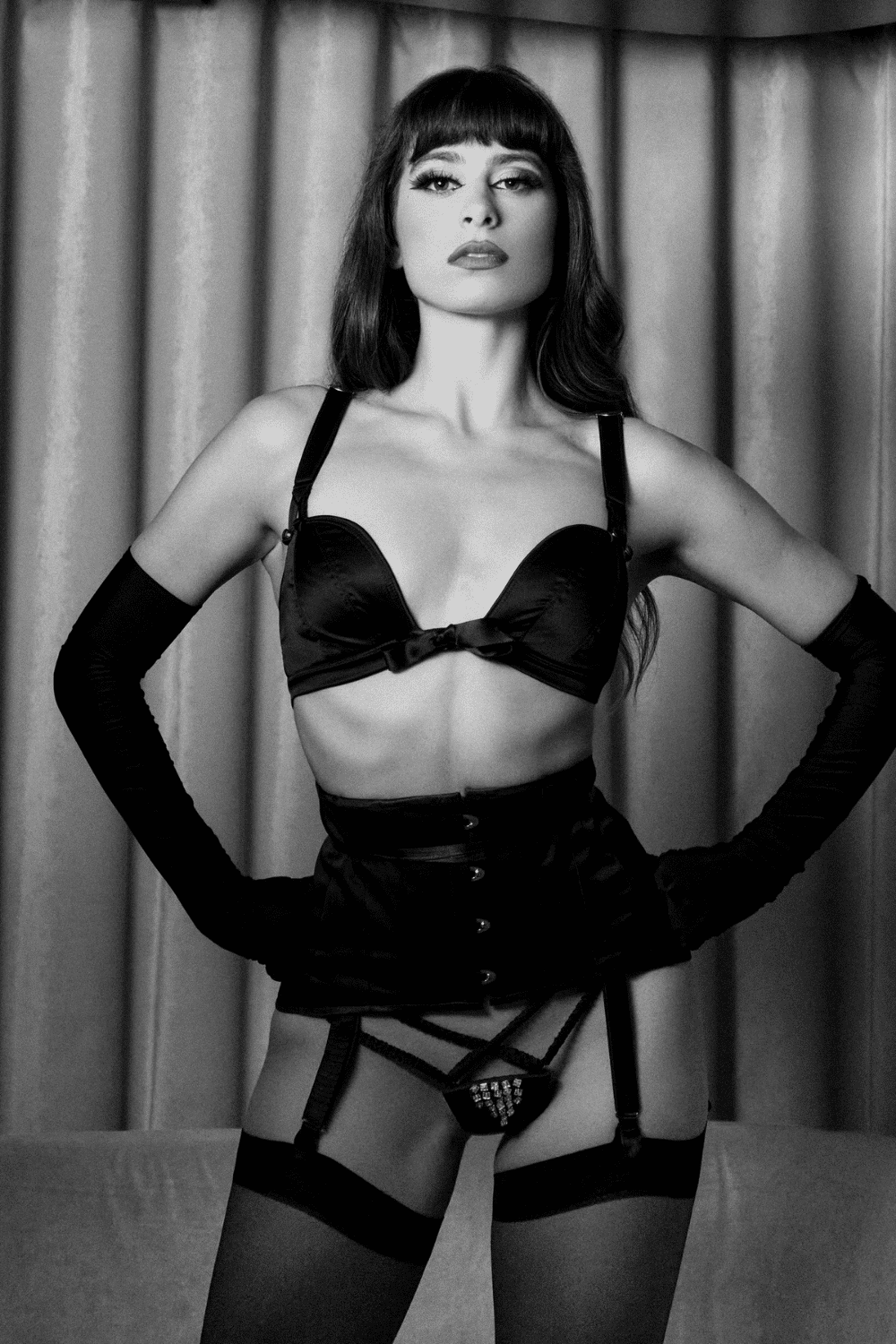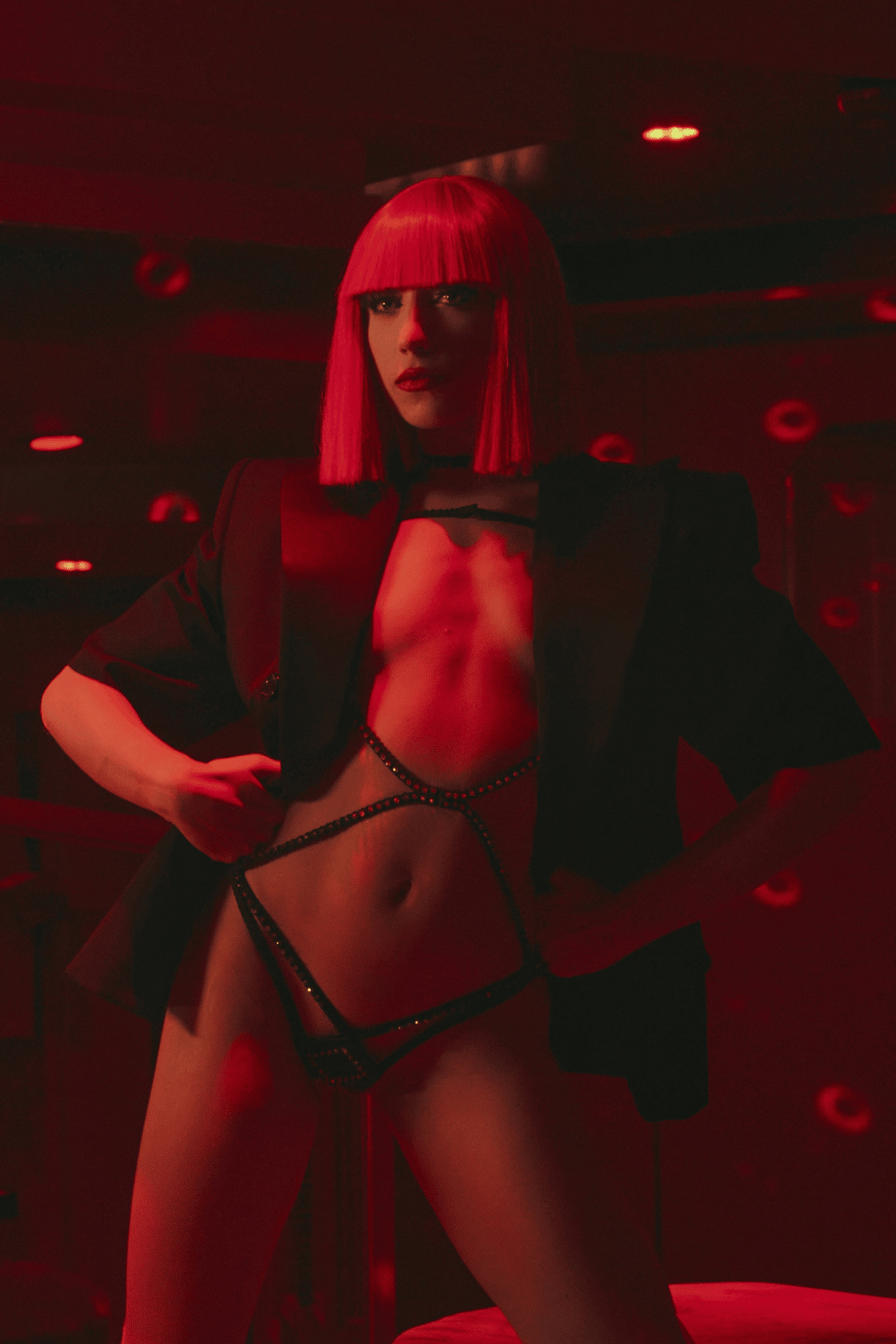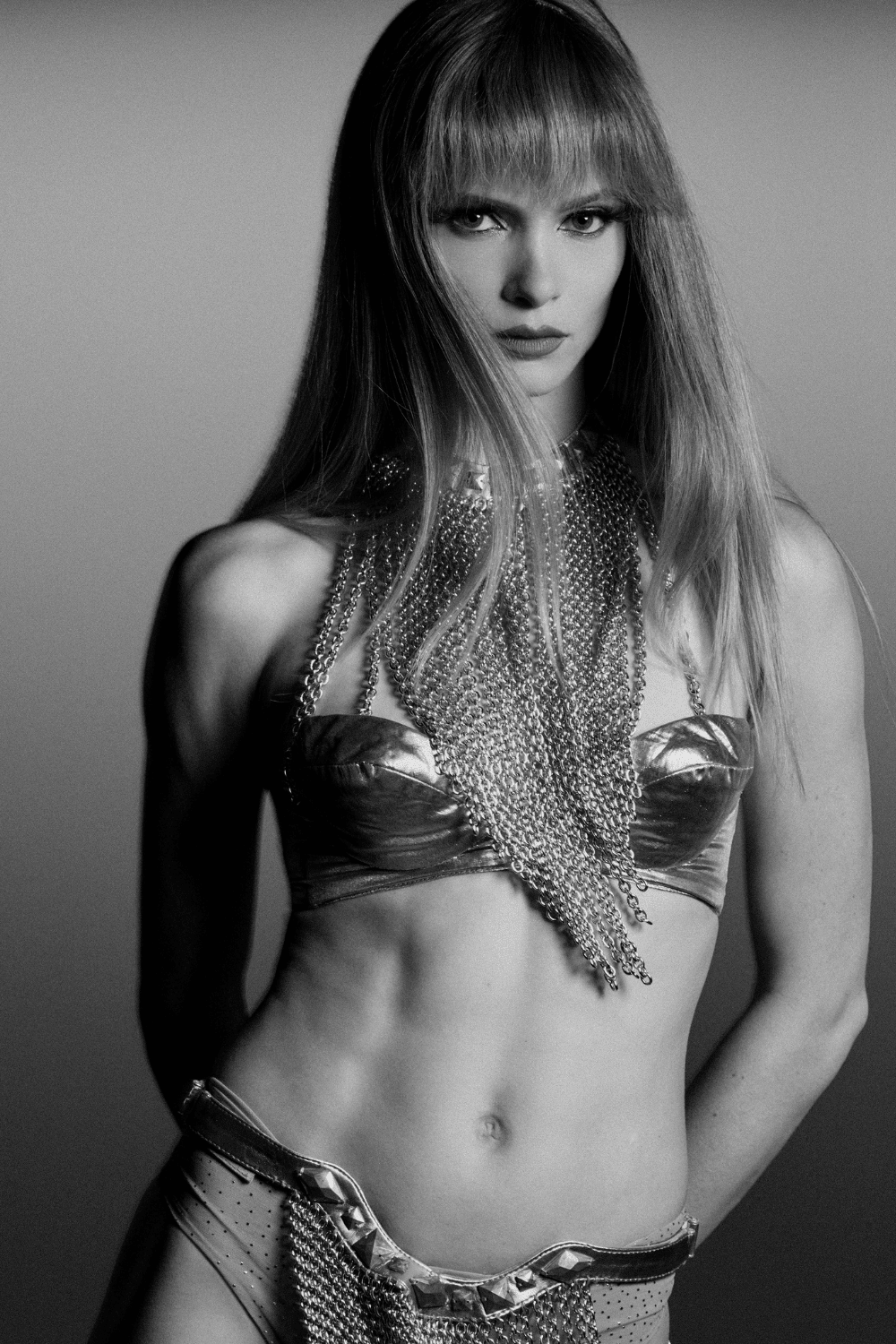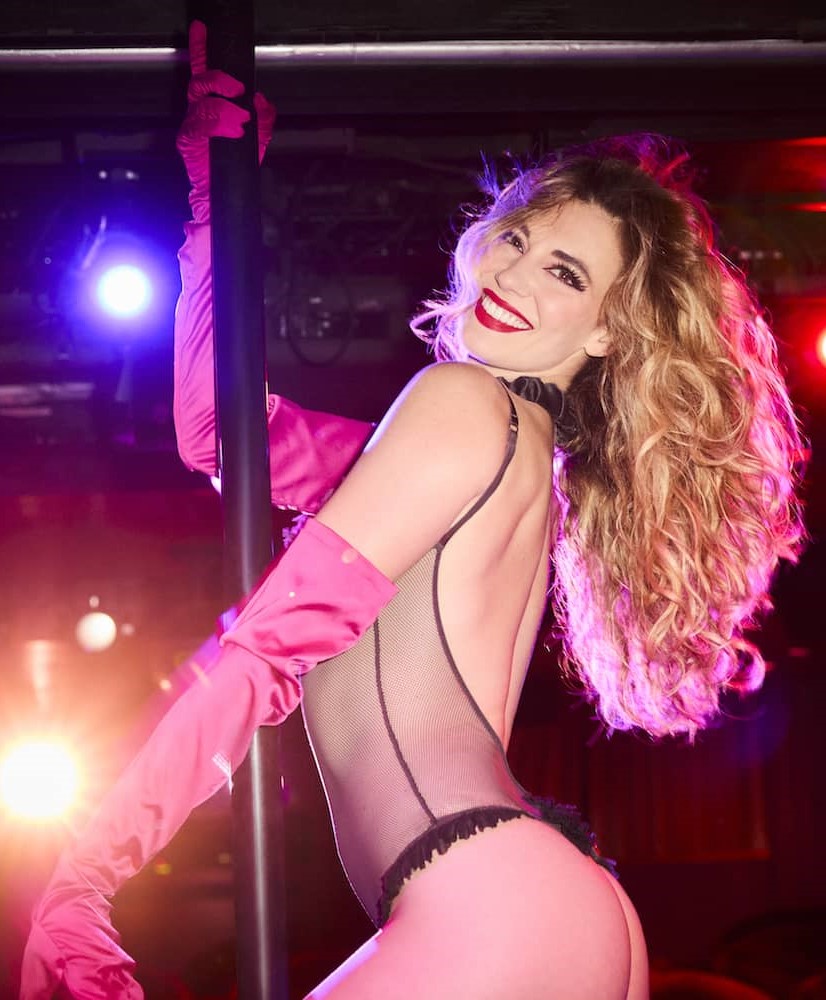
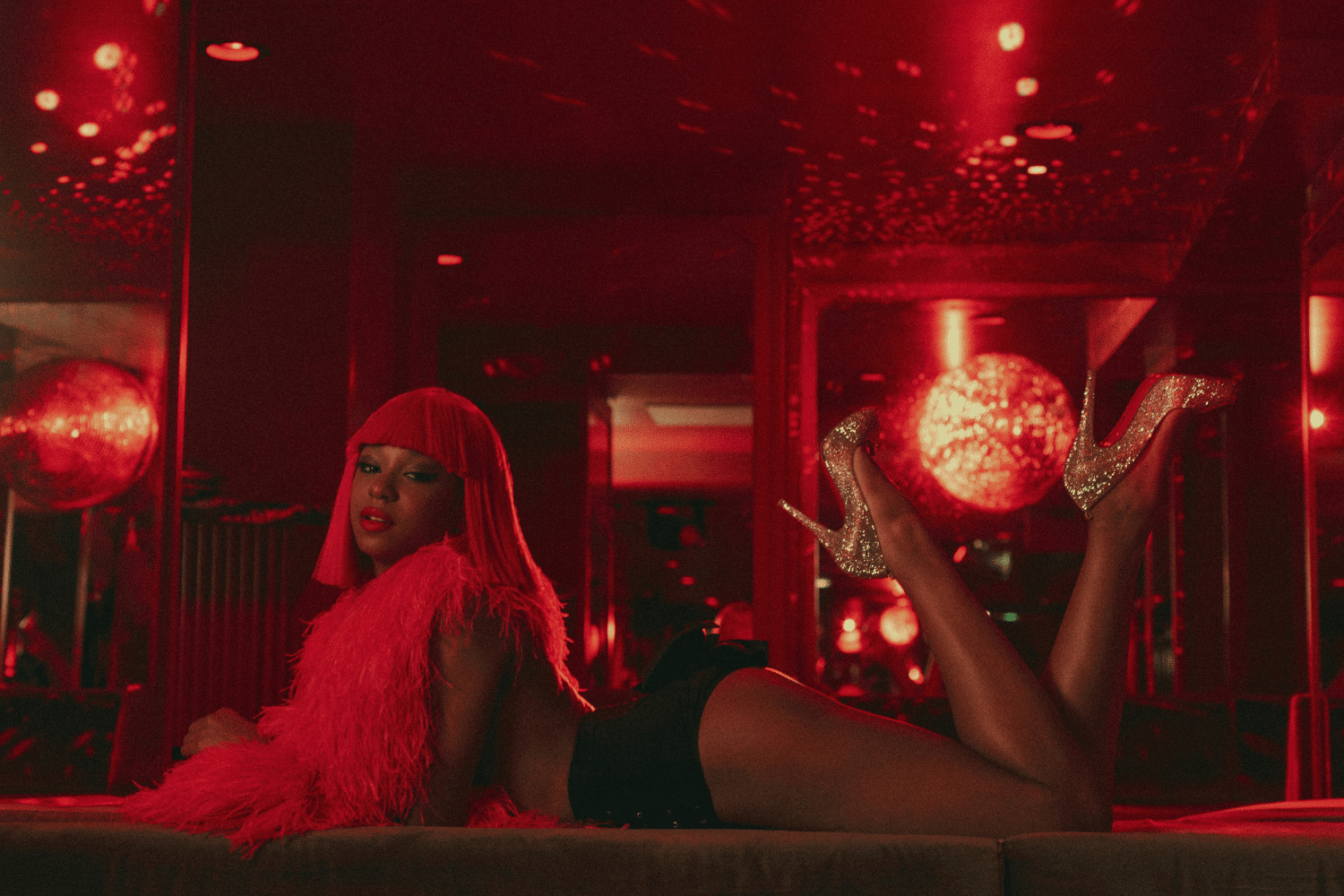
What story lies behind your stage name?
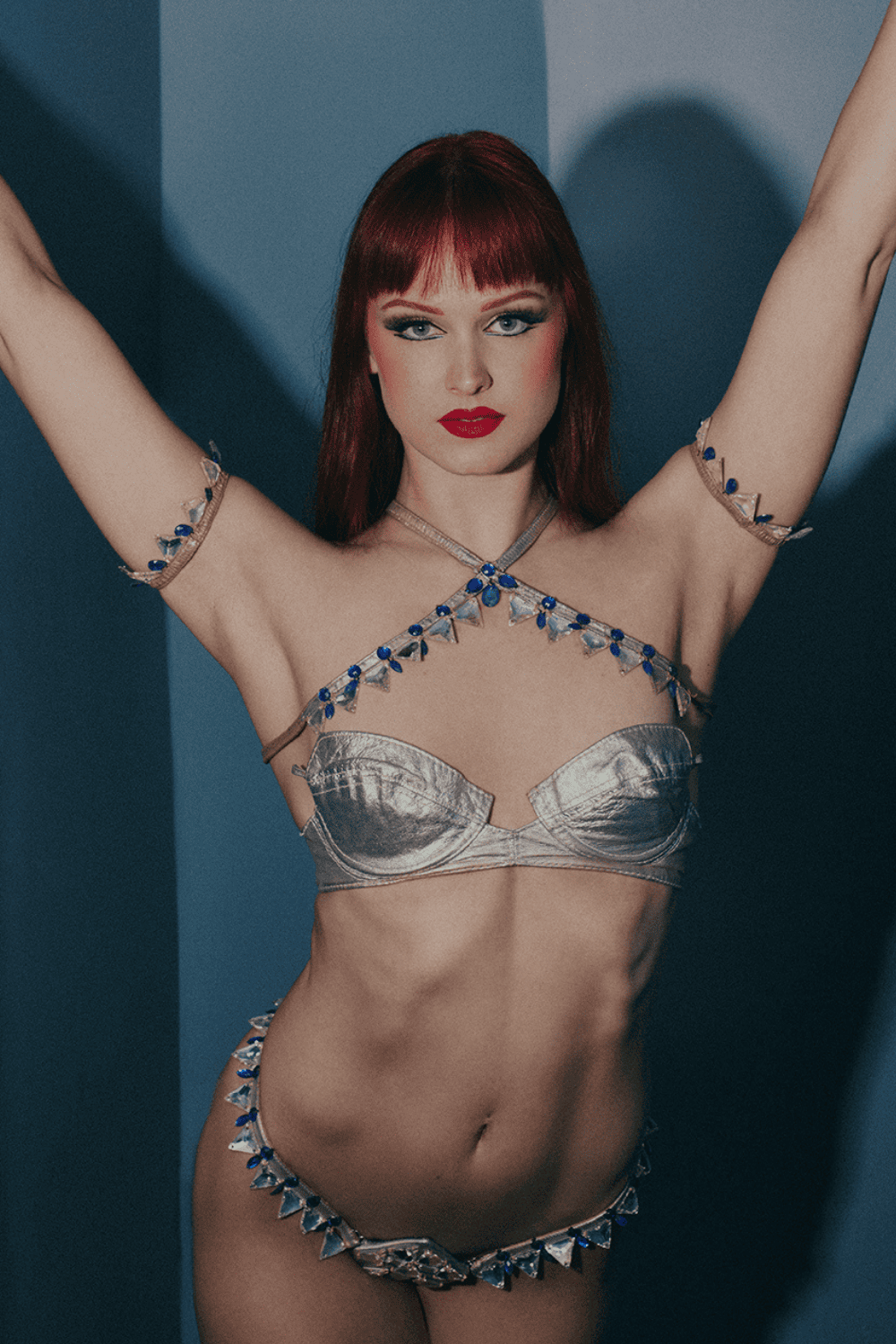
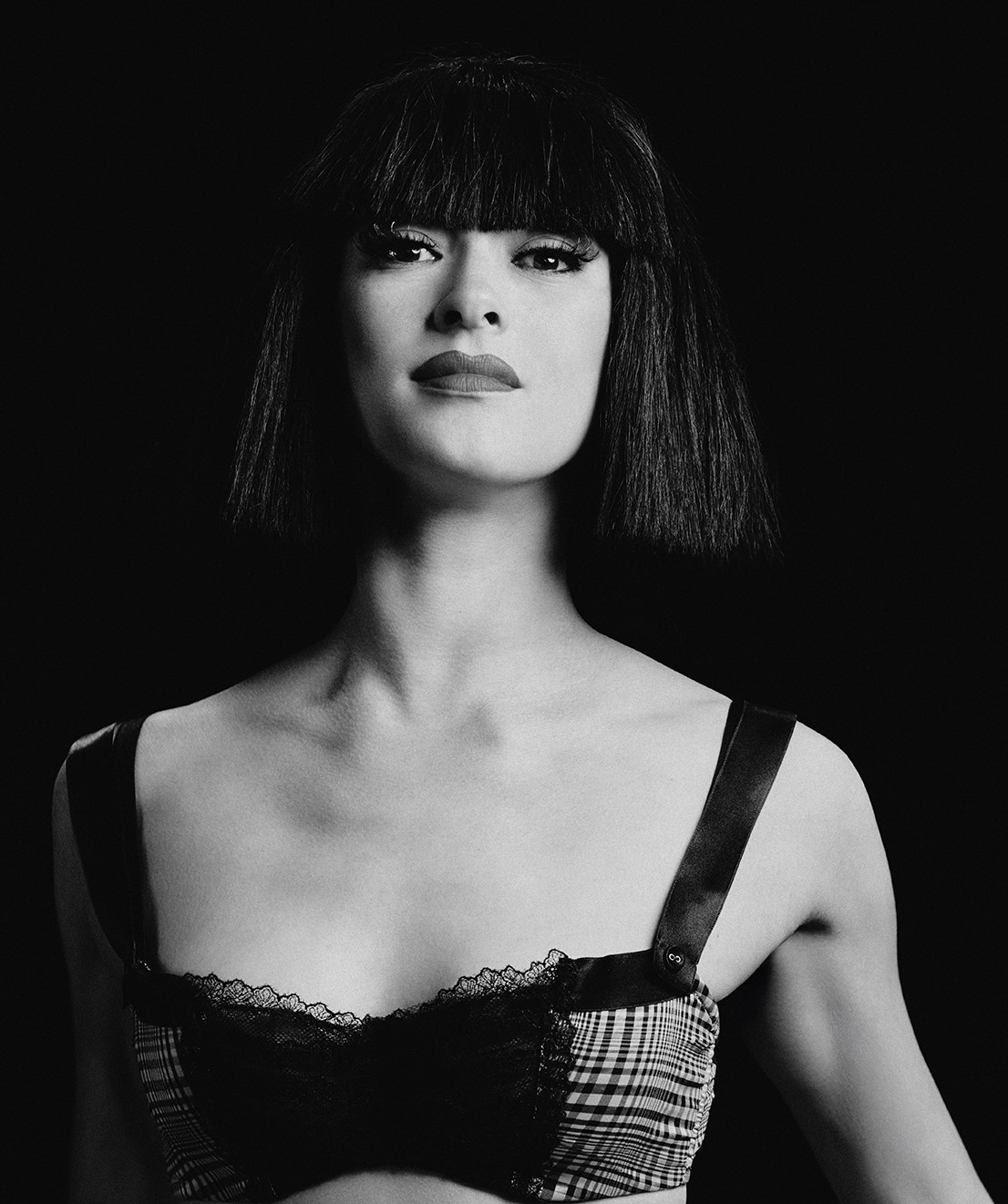
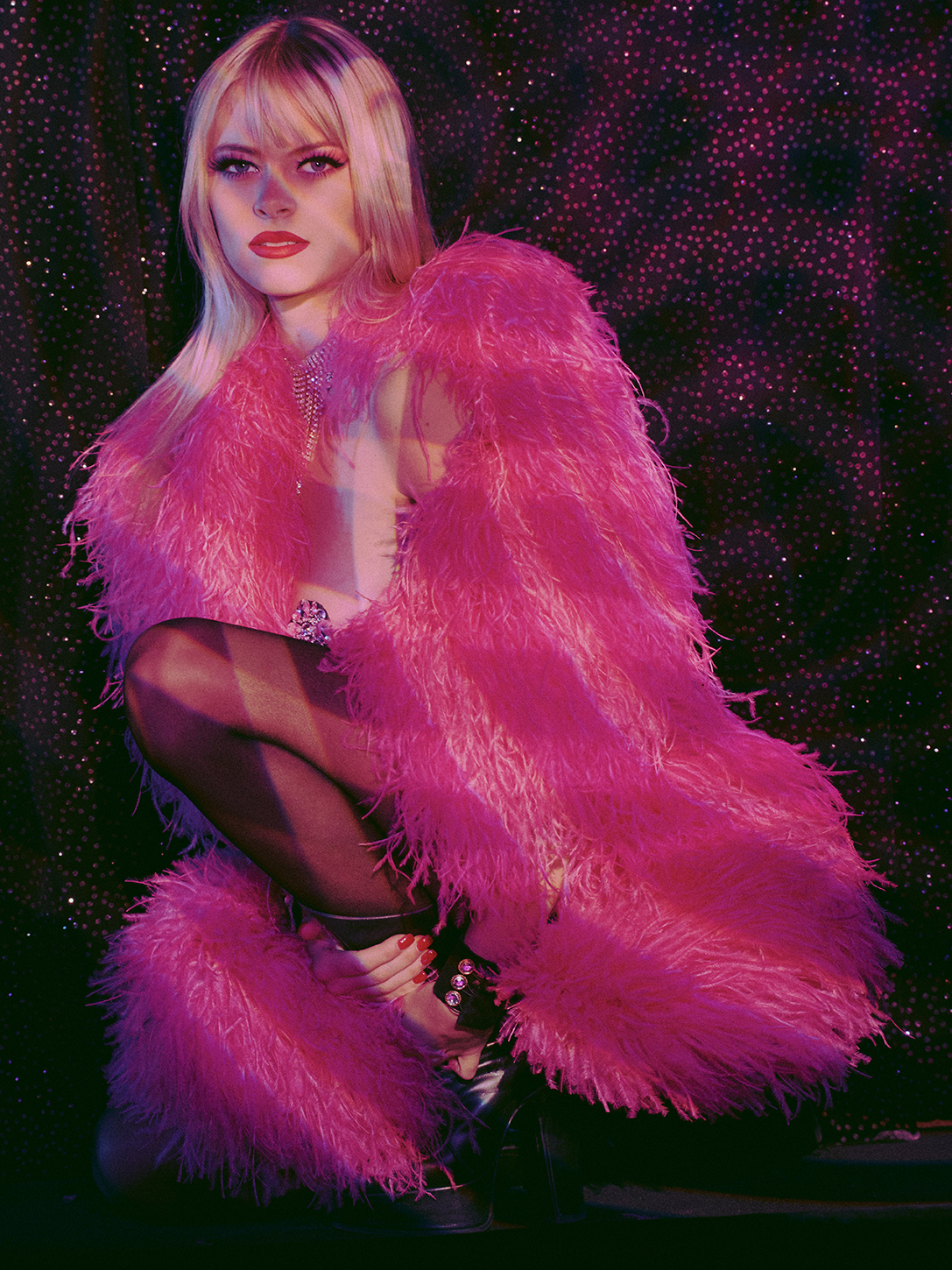
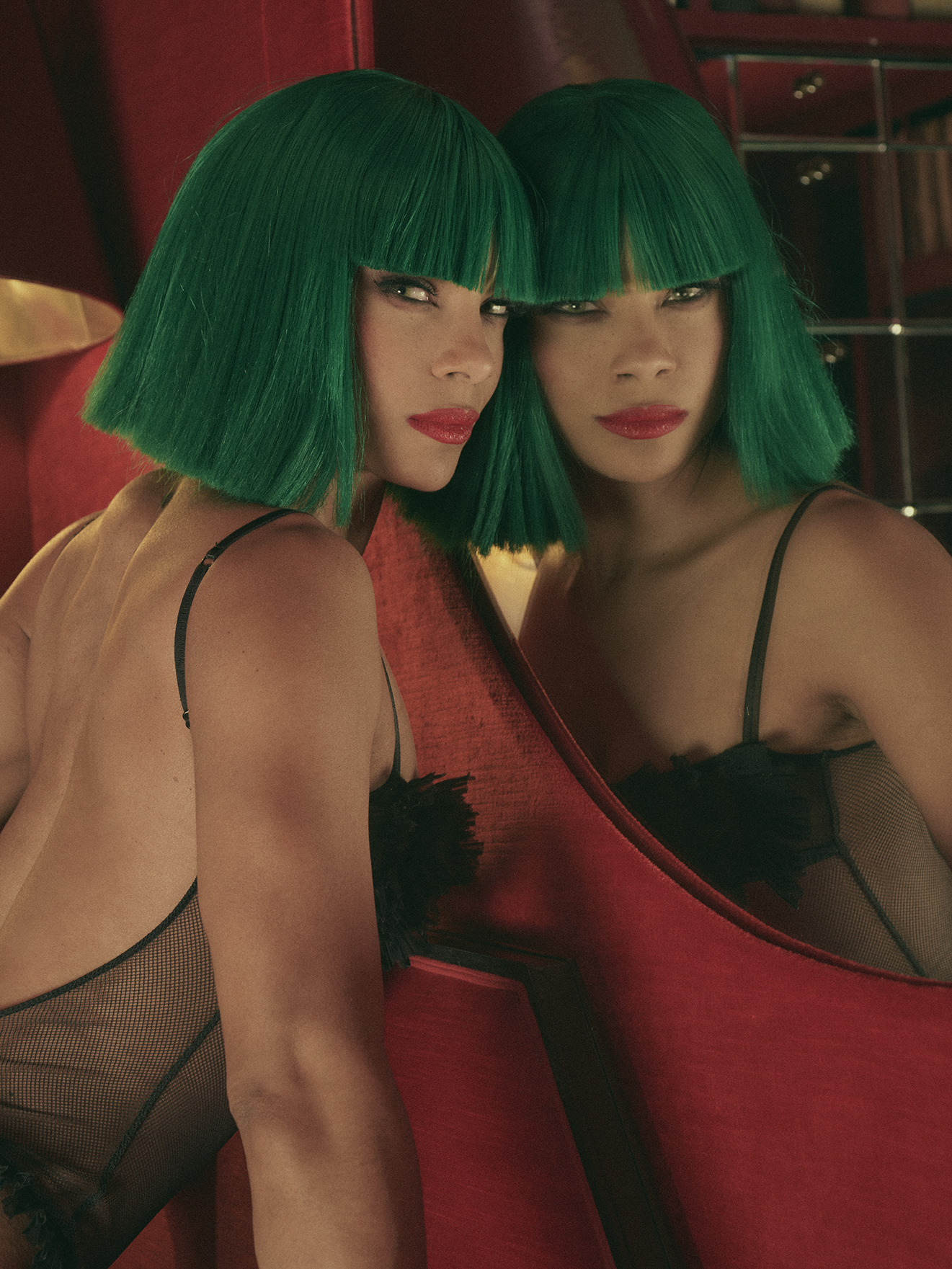
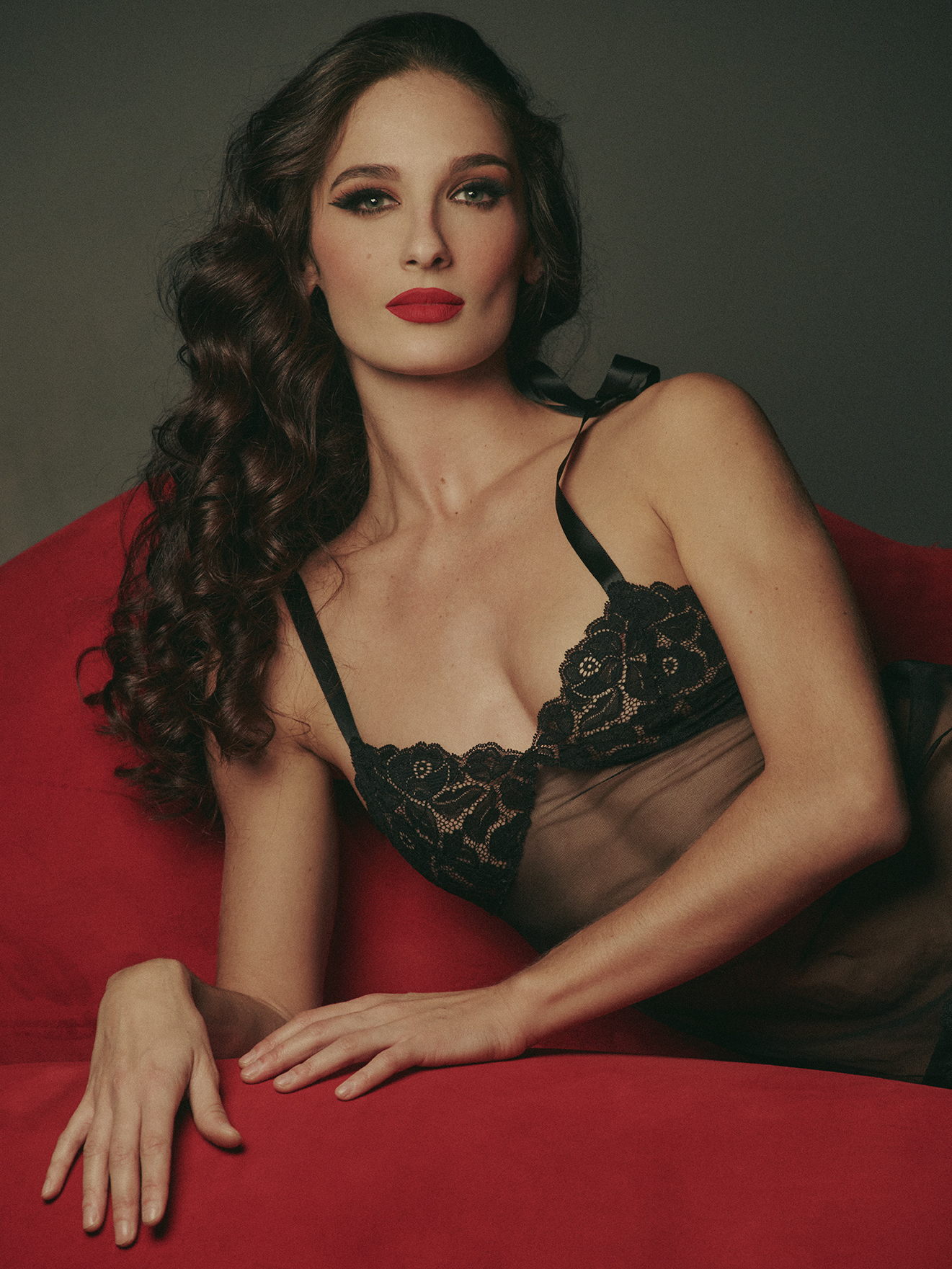
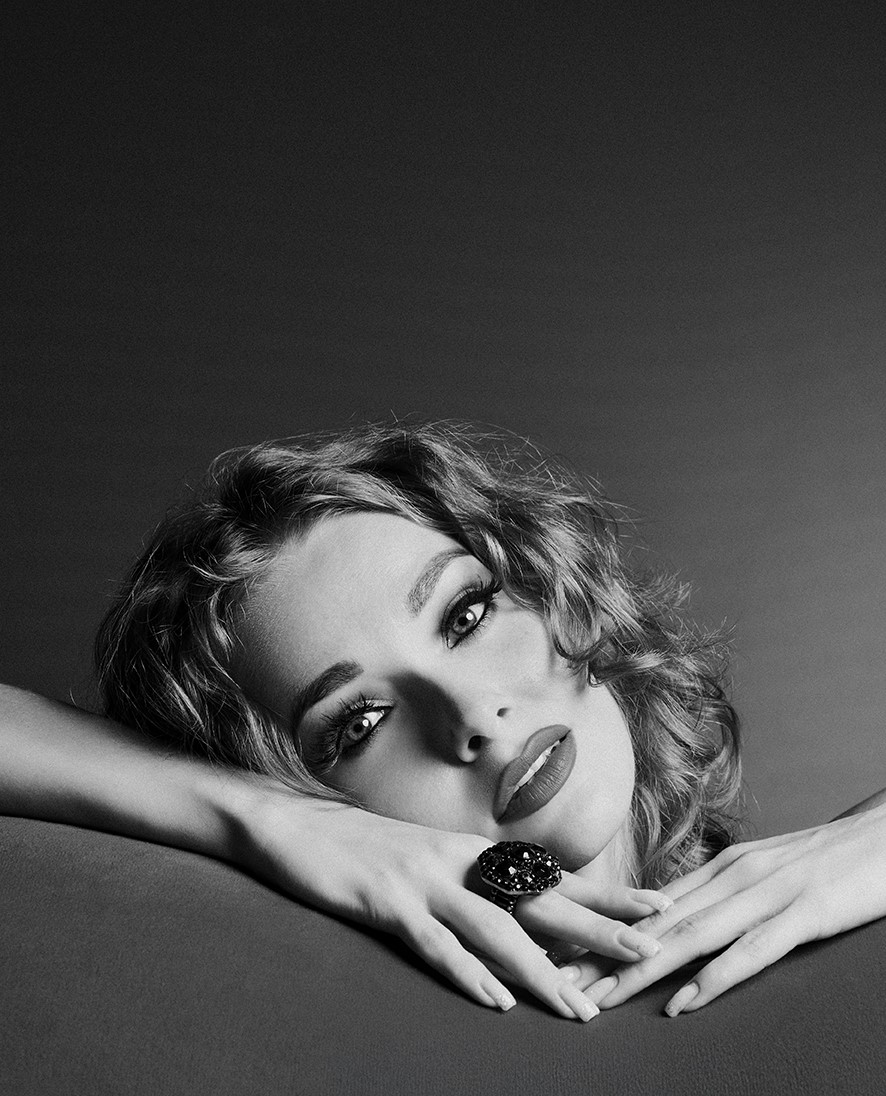
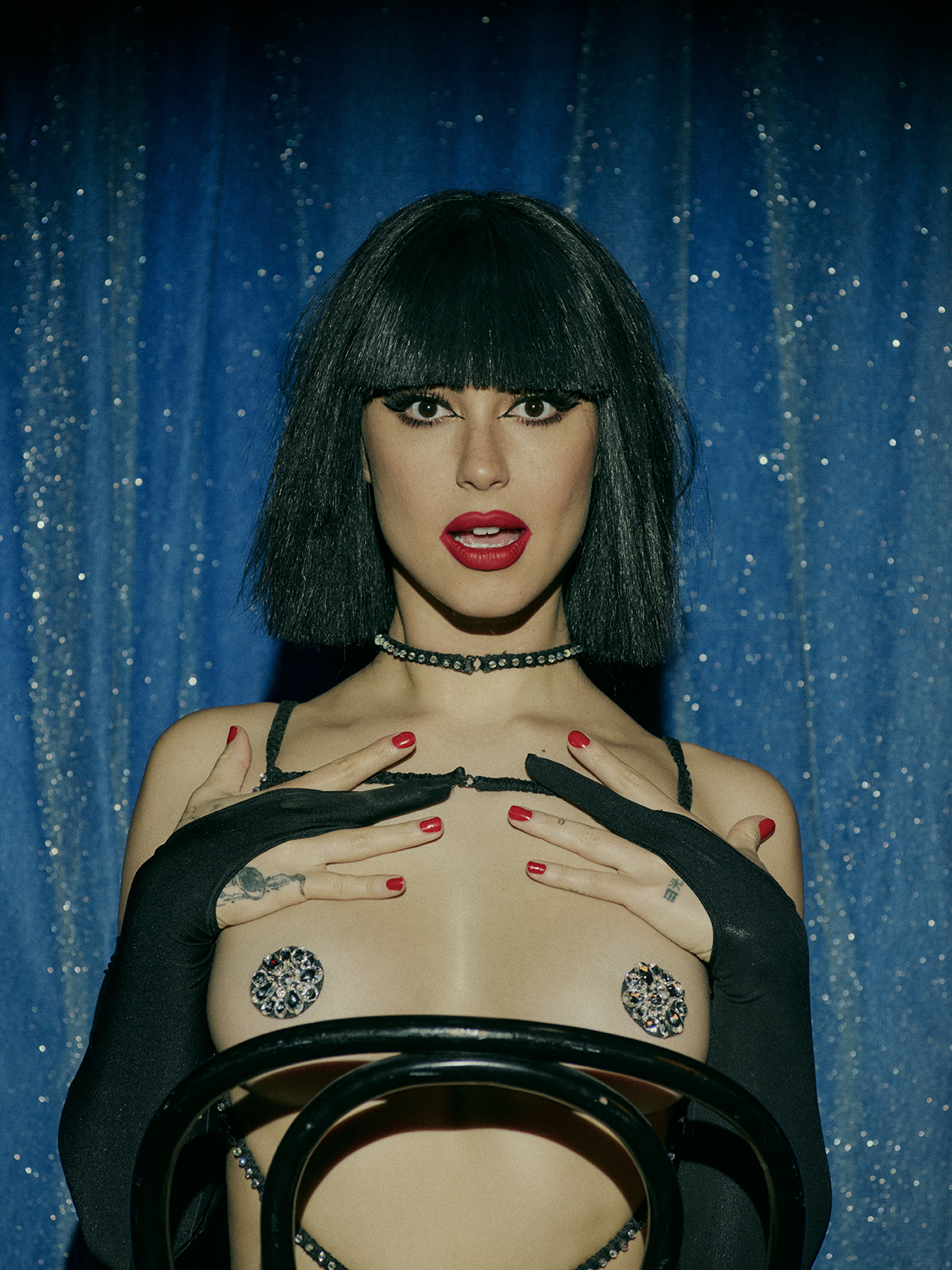
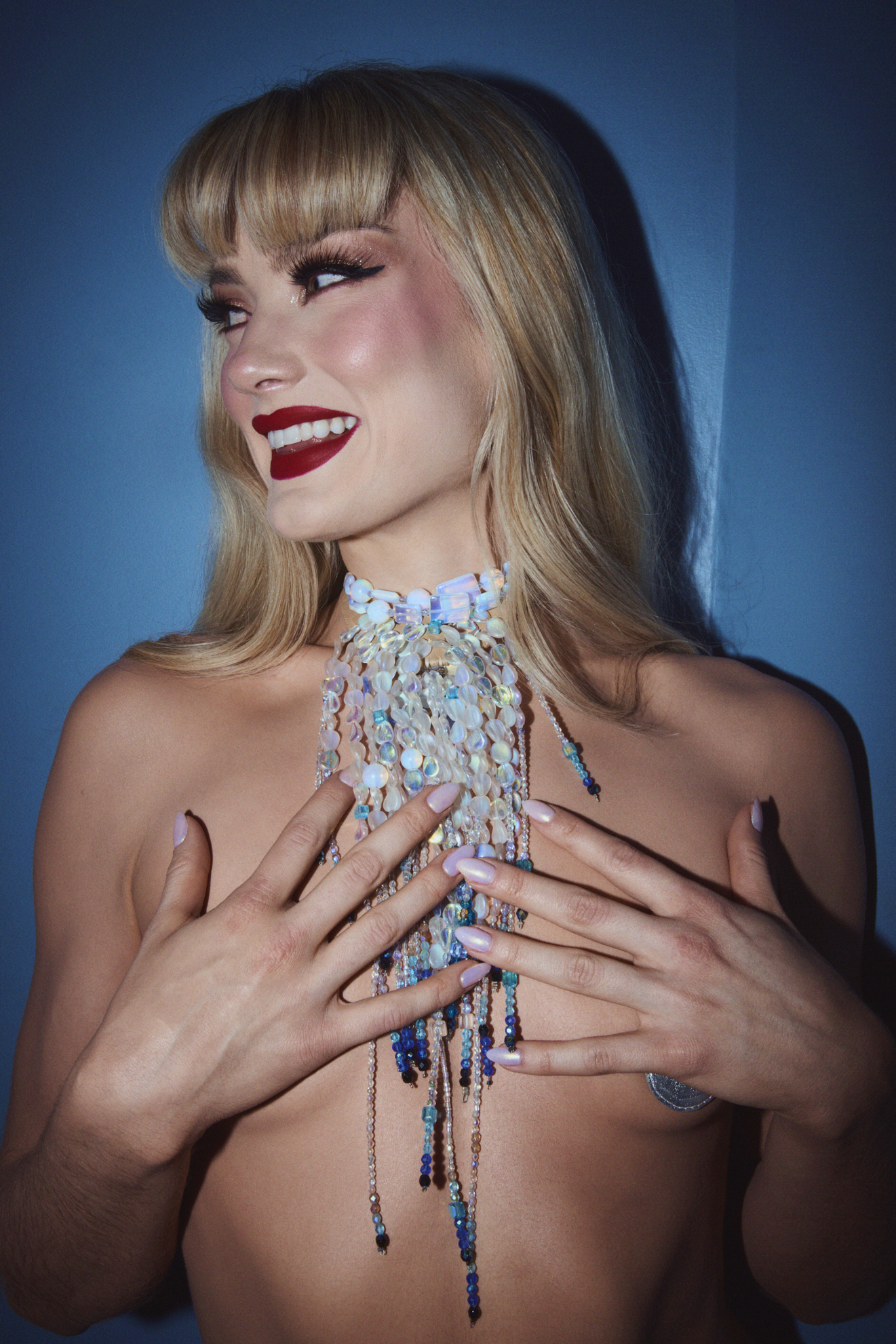
My stage name reflects the duality within me, because I have two very different sides. “Didi” represents my softer, almost princess-like side, as well as the shyness I once saw as a weakness. “Leon” embodies my sensual strength, my lioness side. I like to describe myself through the image of yin and yang.
What is your story with dance?
I’m originally from Auxerre, in Burgundy. I started ballet at the age of five. When I was six, I began a comprehensive training programme at Studio Evi’danse, a dance school in Auxerre that has trained many professional dancers. Over the years, I learned everything there: jazz, musical theatre, contemporary dance and classical ballet. At seventeen, I joined the International Academy of Dance in Paris. That’s where I discovered cabaret classes, and one of my teachers, a former Crazy Horse Paris dancer, saw something in me that she felt would suit the discipline. She encouraged me to audition for Crazy Horse Paris. I was eighteen when I went to the audition, without expecting anything. I was selected on my very first try. Even today, I still find it hard to believe. I only began rehearsals a year later, which gave me the opportunity to take on other contracts in the meantime, including television appearances, musical theatre productions and Murmuration by Sadeck Berrabah.
Who are you when you dance on the Crazy Horse Paris stage?
On stage, I discover a new side of myself with every performance. It’s a space of freedom where anything is possible artistically. Nothing is ever set in stone: every show tells a different story, shaped by the moment. Even when we perform three times in the same evening, no two performances are ever alike. The audience’s energy flows through us, inspires us and reshapes every moment. It’s this alchemy that makes every night unique.
What do you want to convey to the audience when you dance on the Crazy Horse Paris stage?
One evening, after a performance, someone said something to me: “When you dance, it looks so easy, as if even I could do it.” That sentence has stayed with me ever since. I took it as a wonderful compliment, because it meant I had achieved what I set out to do: to take the audience into a world of art and beauty, without ever letting them see how demanding the performance really is. To me, athleticism should always serve artistic expression and the power of dreams.
You are part of Crazy Horse Paris’s elite troupe of dancers. What does that mean to you?
Crazy Horse Paris had always been a goal of mine, but I never thought I would reach it so soon. I still can’t quite believe that I’m a Crazy Horse Paris dancer. And I’m especially in awe of the other dancers. Their talent and kindness never cease to amaze me. Just a few months ago, I was following them on social media, and now I’m sharing the stage with them…
What does dance mean to you?
When I dance, I think about the little girl I was when I went to see my first shows, and the sense of wonder I felt. My goal is for the audience to leave with stars in their eyes, just like that little girl did. Every night, I want at least one person to walk away with that feeling… and perhaps with the desire to dance themselves.
What inspires you about the lighting at Crazy Horse Paris?
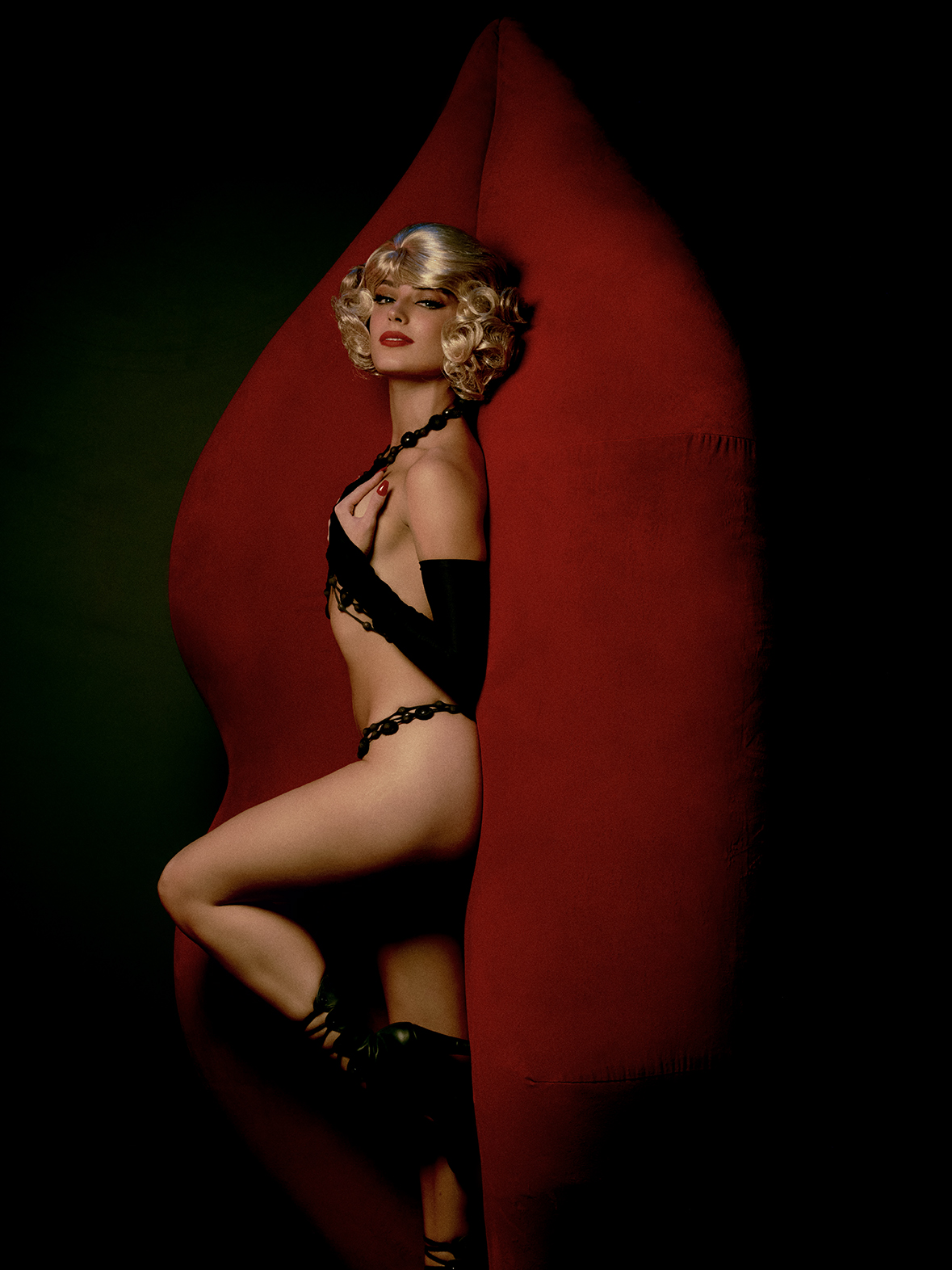
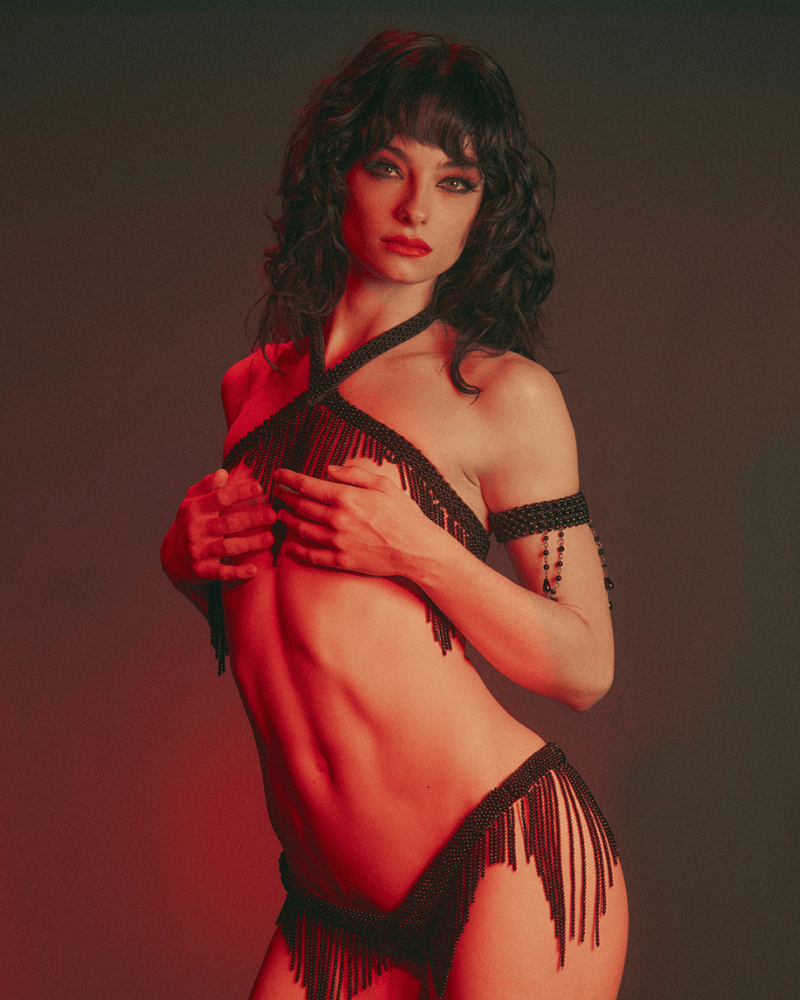
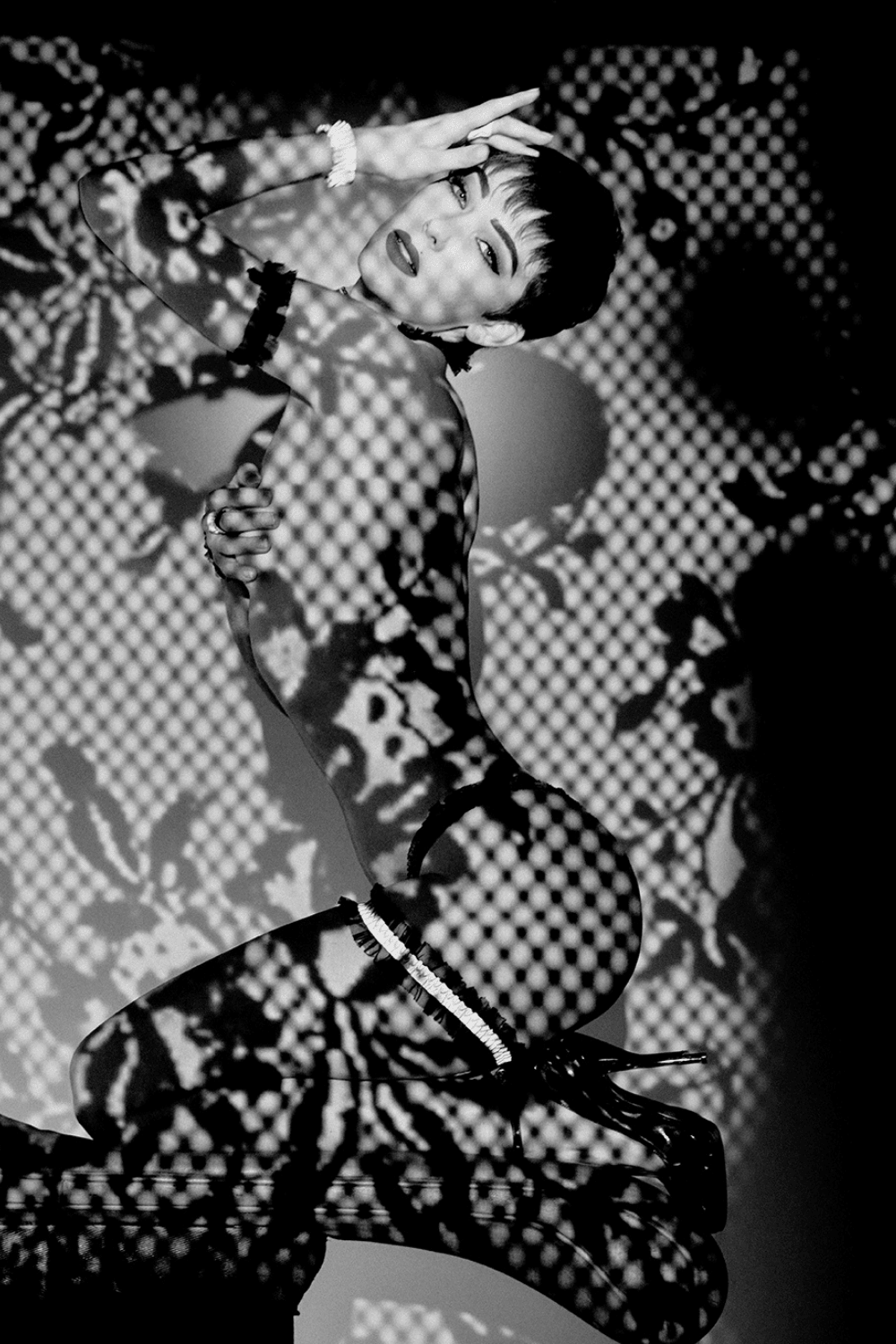
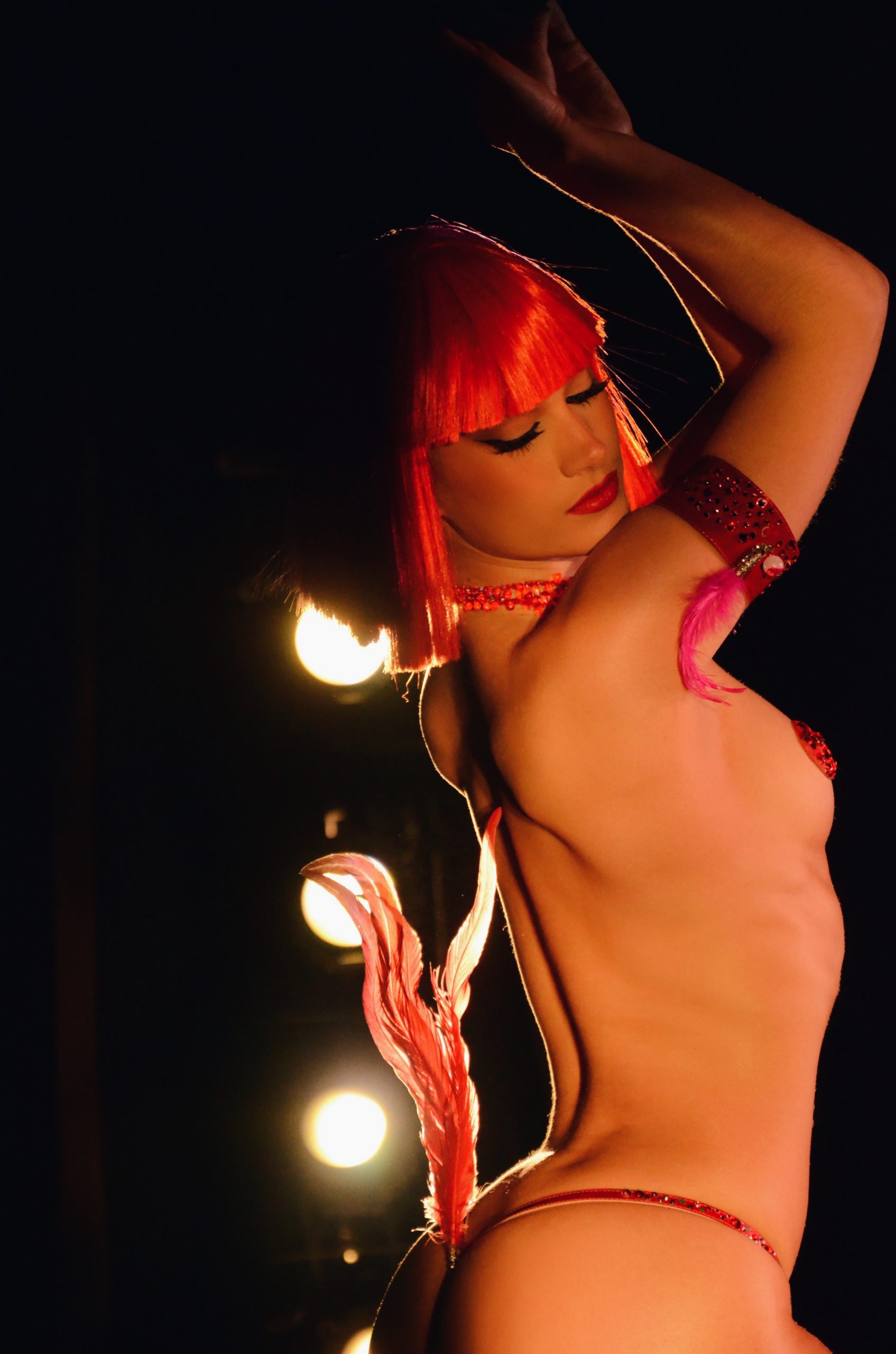
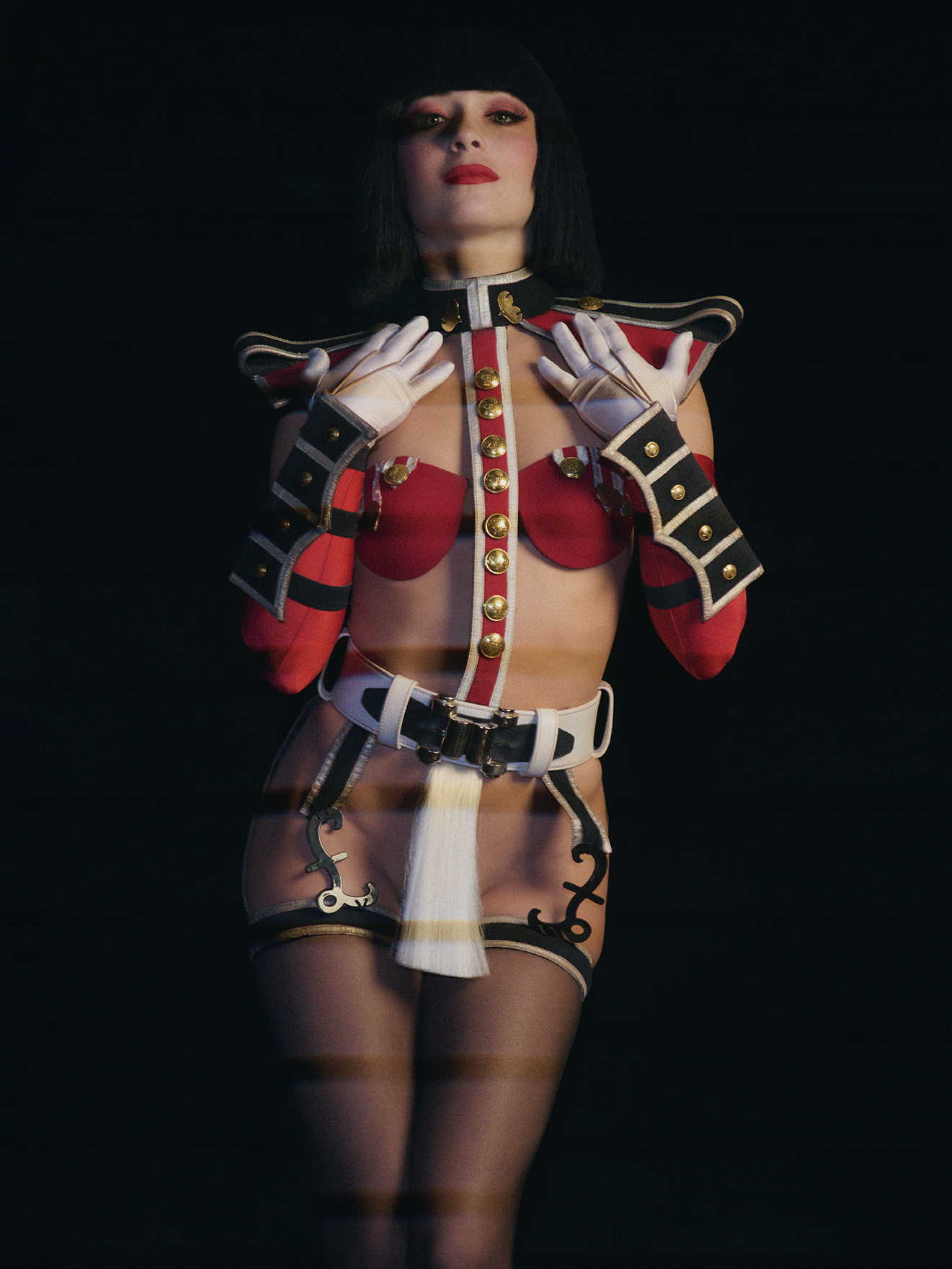
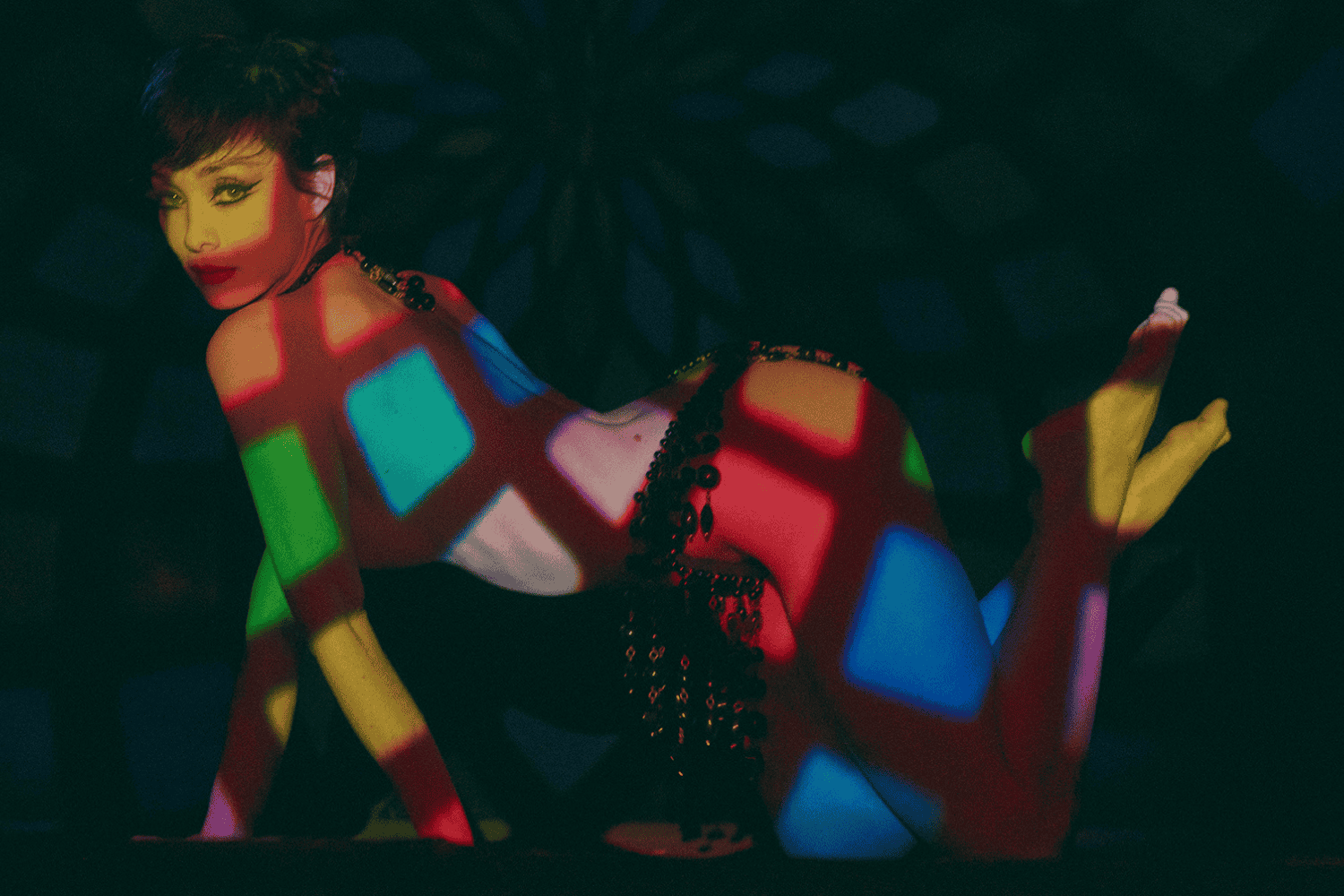
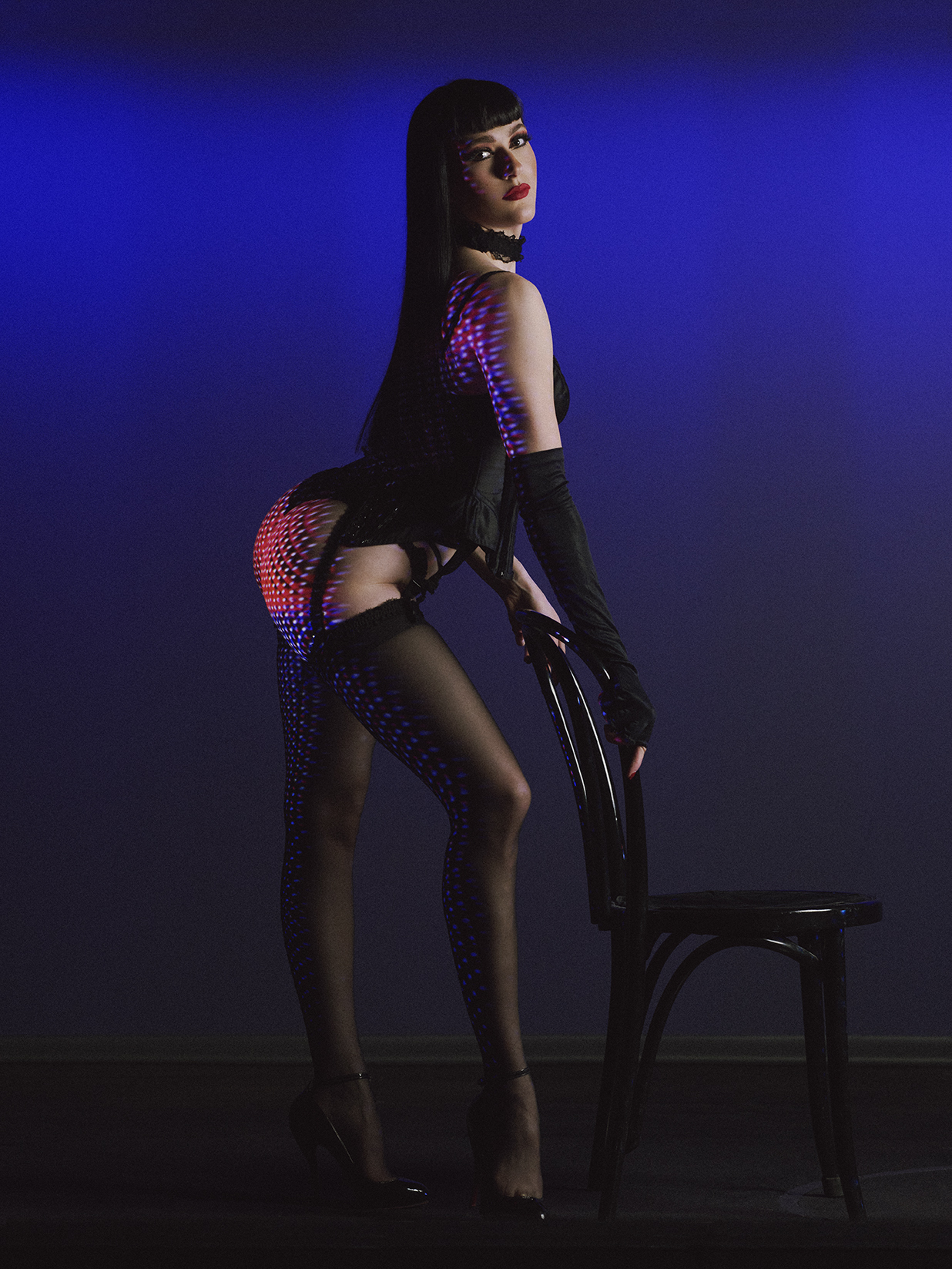
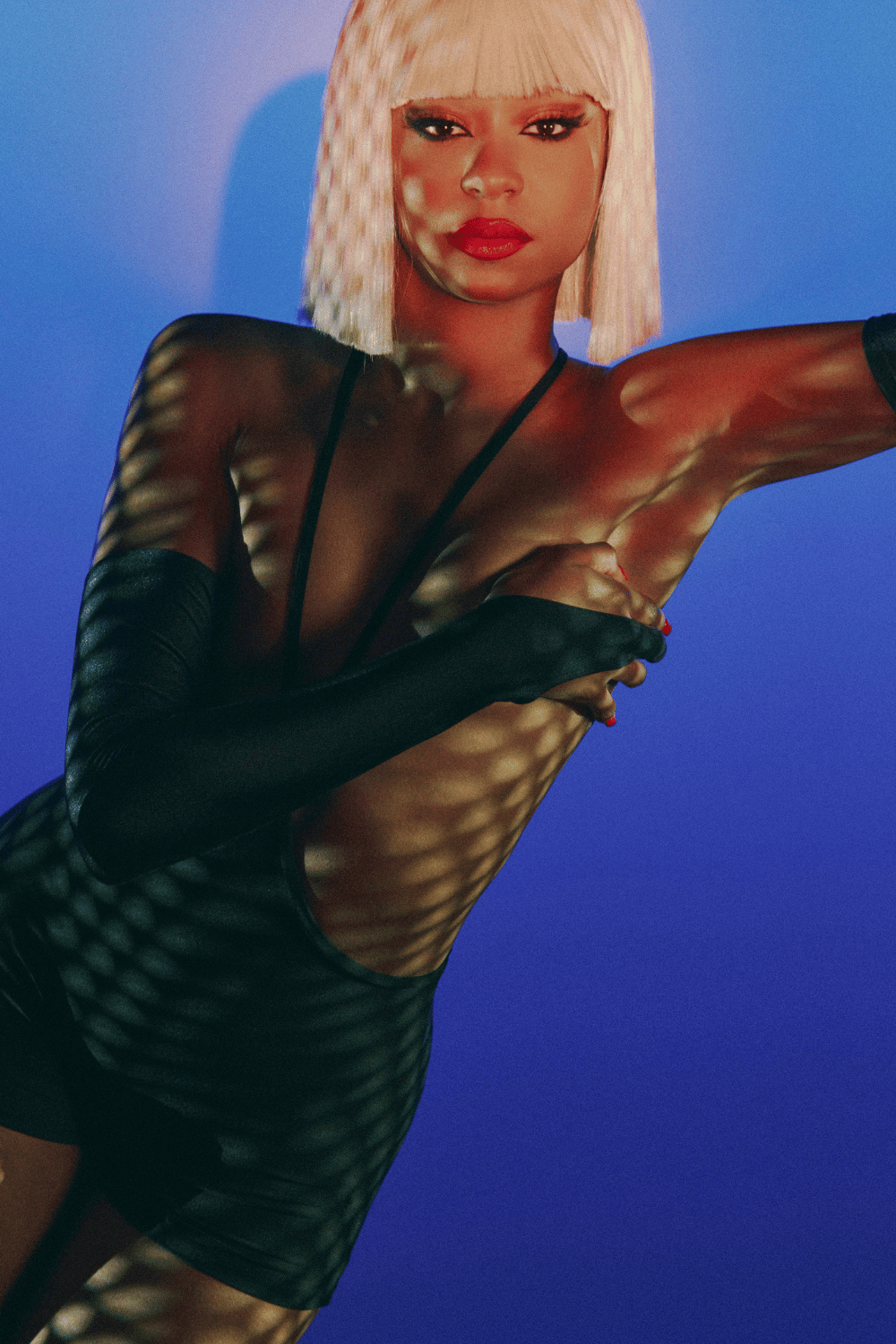
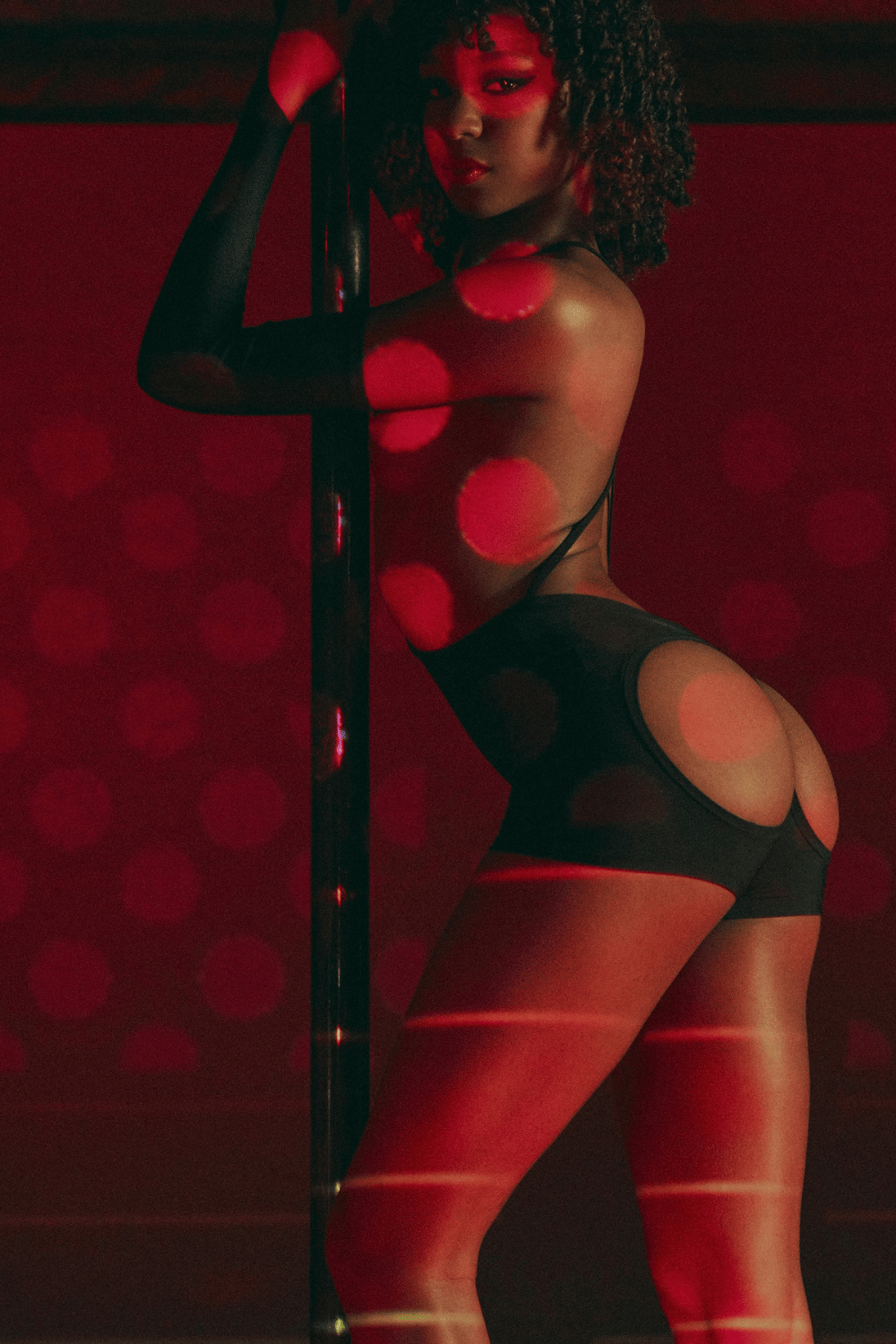
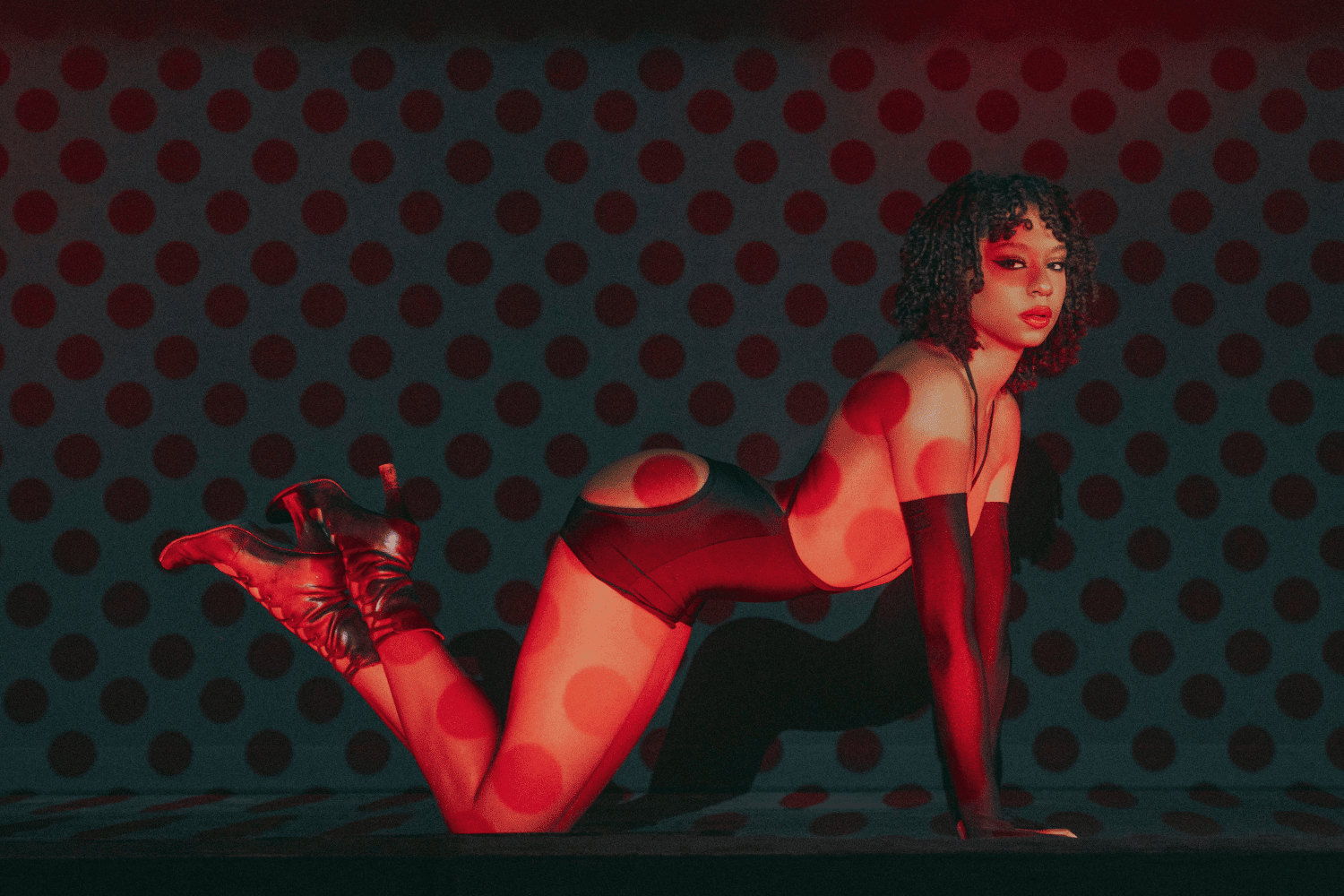
The lighting is extraordinary. It dresses the body, reveals it, enhances it, sculpts it, tells a story and creates an illusion… It is what brings the beauty of each tableau to life. In Undress to Kill and Voodoo, an electrifying tableau that I love, the lighting is particularly inventive. In Vestal’s Desire, it is an essential part of the number’s identity. It doesn’t do everything, but it does so much.
Can you tell us about Vestal’s Desire, in which you are the lead dancer?
Vestal’s Desire is one of Crazy Horse Paris’s iconic numbers. It was created by Alain Bernardin himself. It is a deeply surprising tableau. It creates a moment suspended in time, almost outside the rhythm of the show. And the dancers’ undulating bodies continue the enchantment long after the curtain falls.