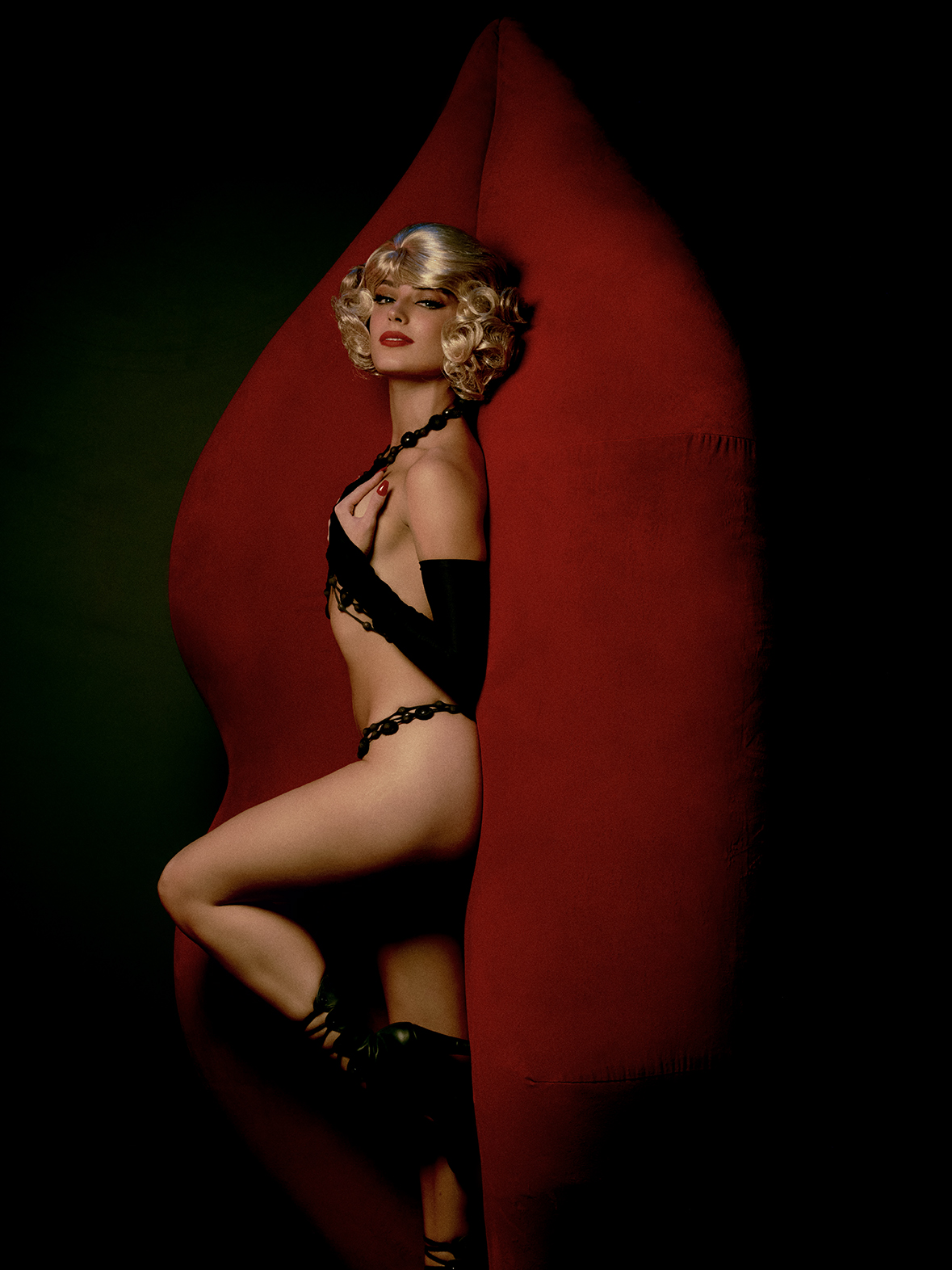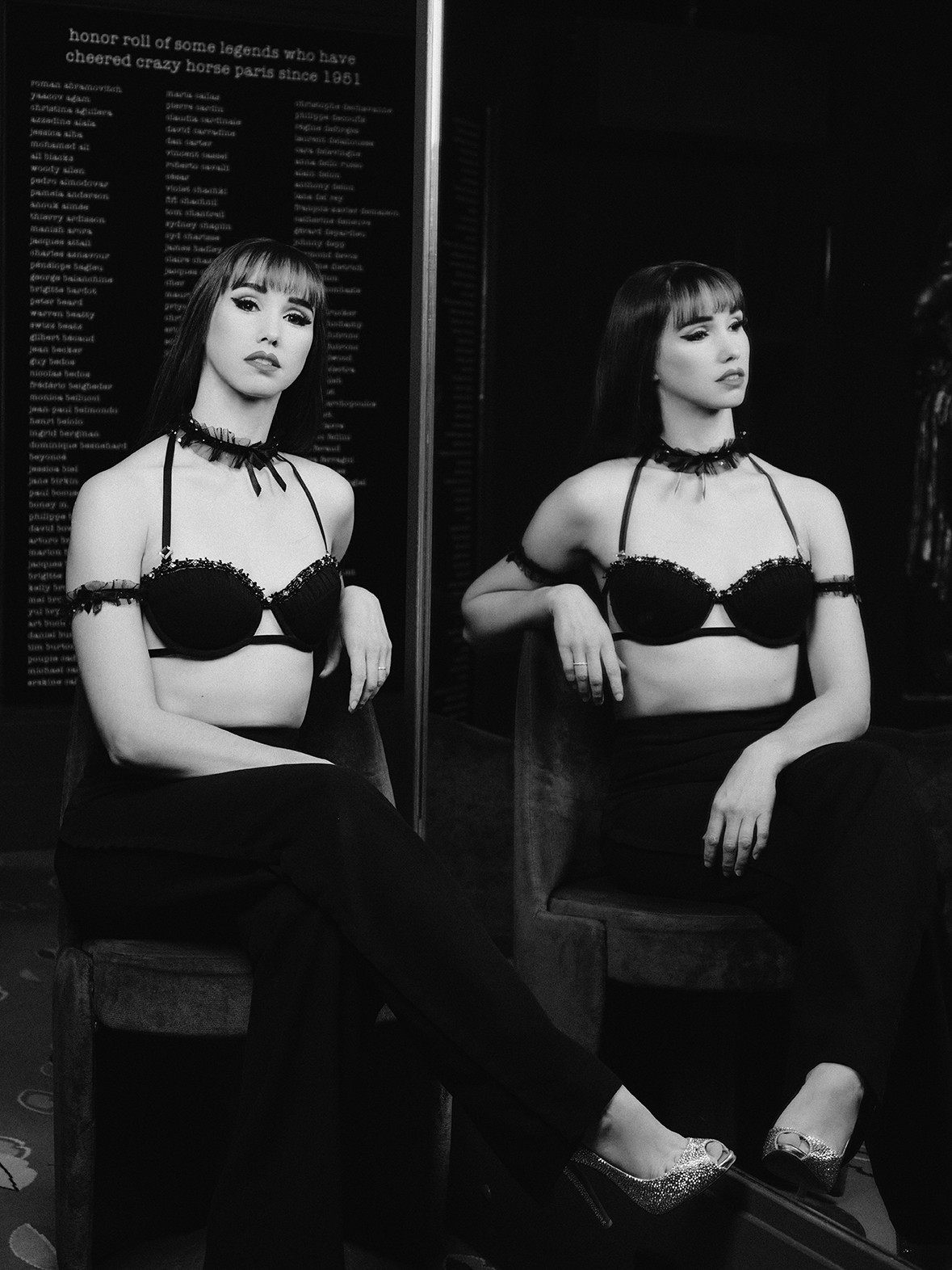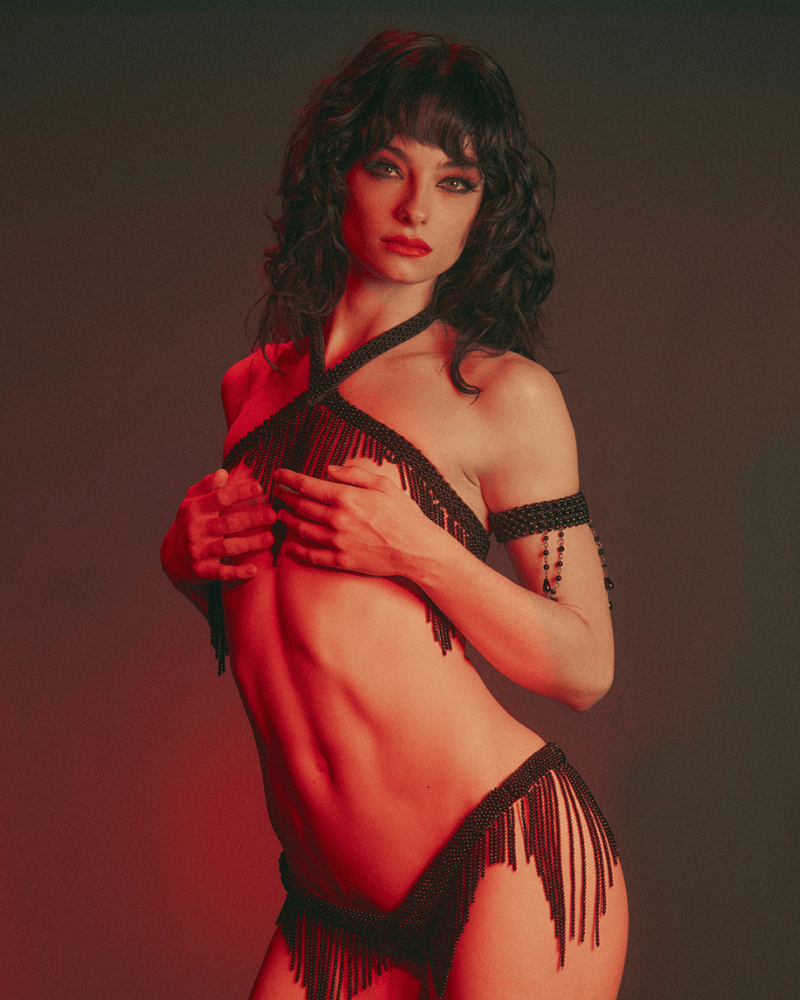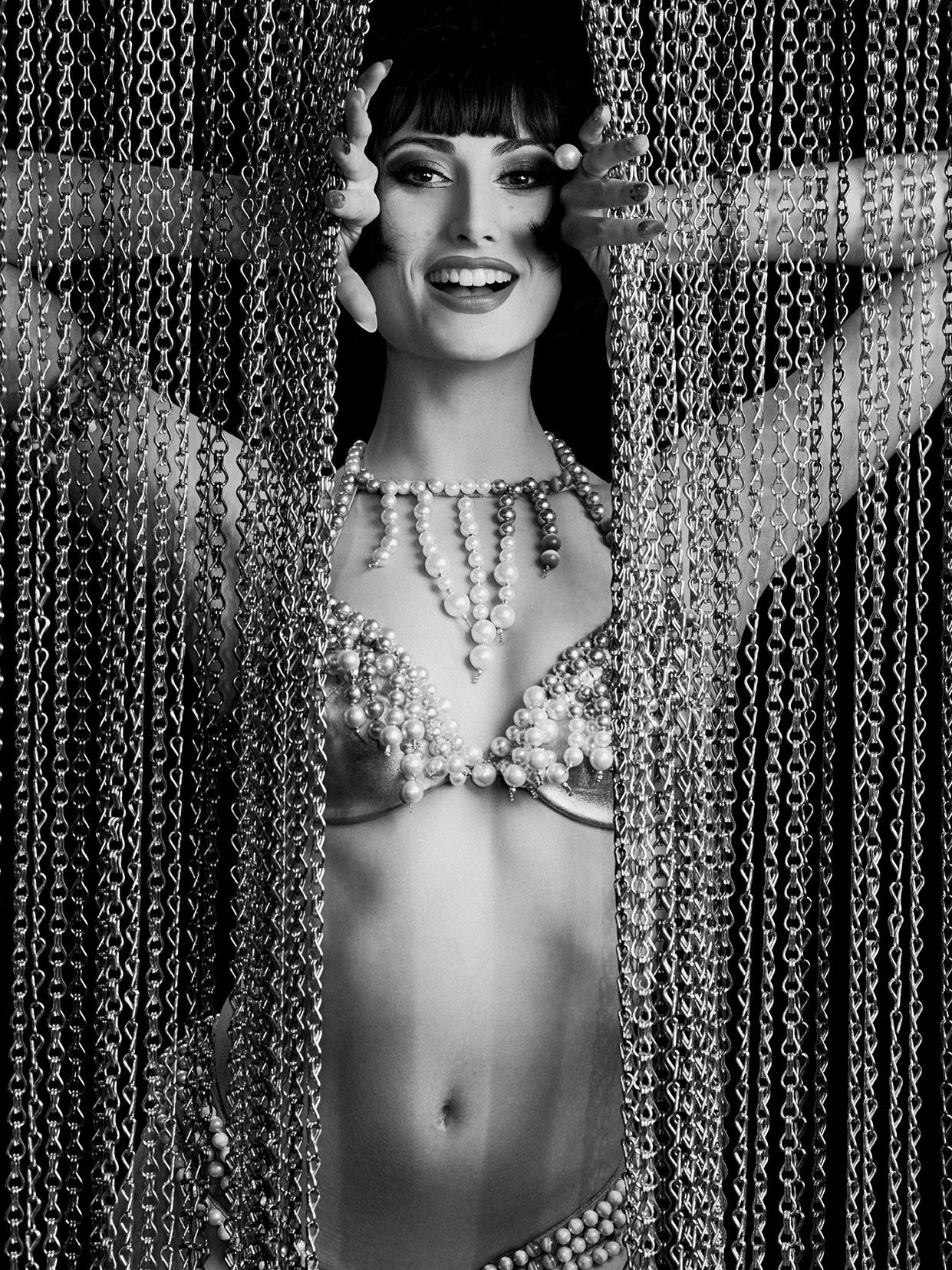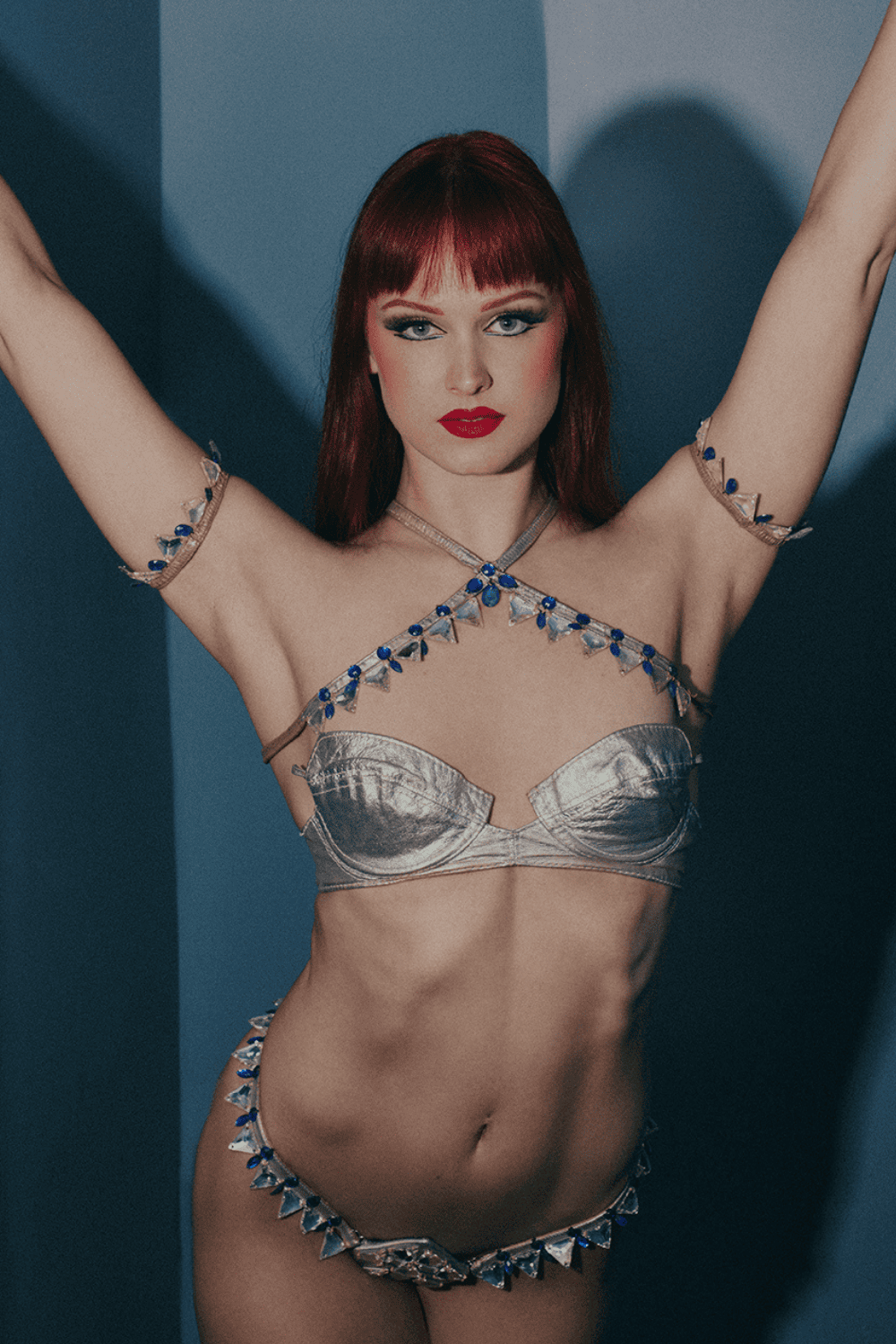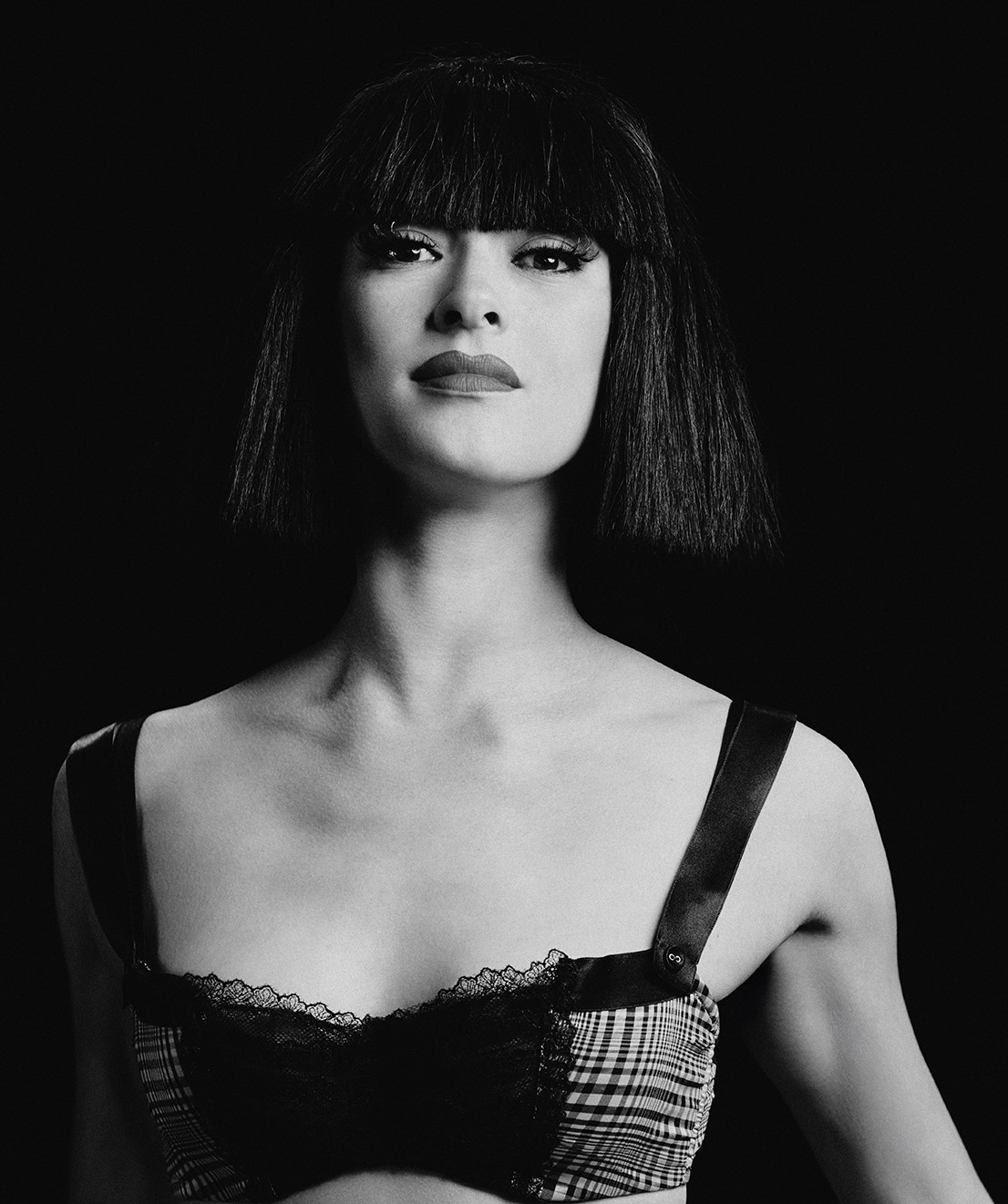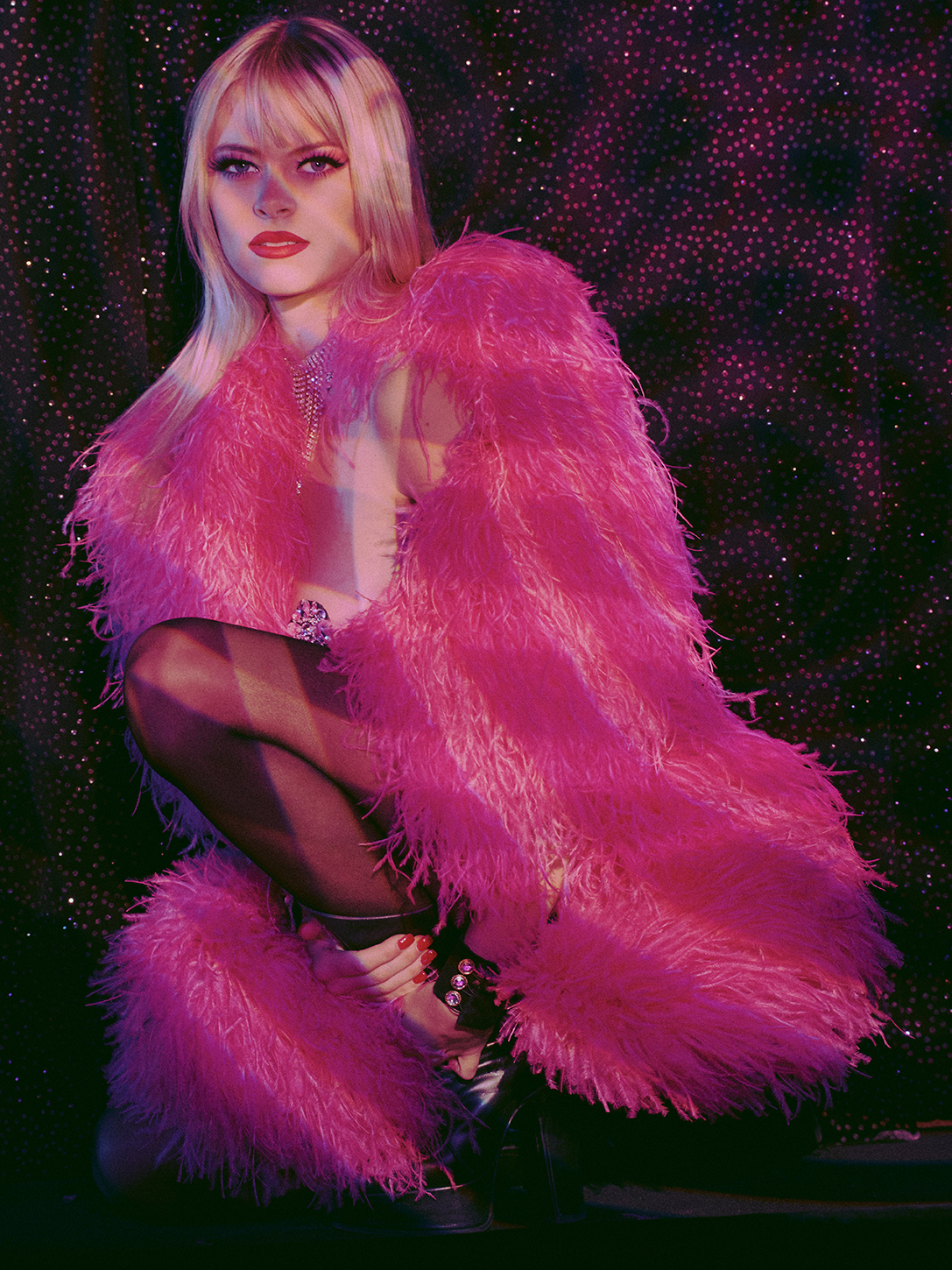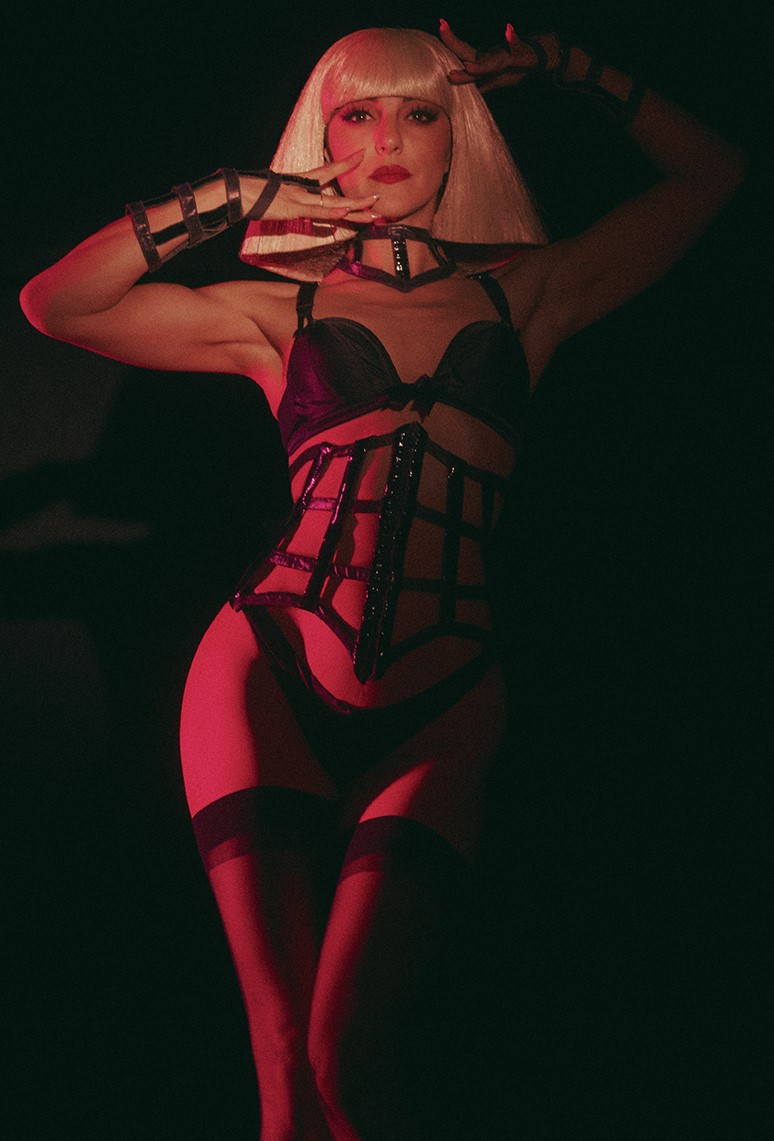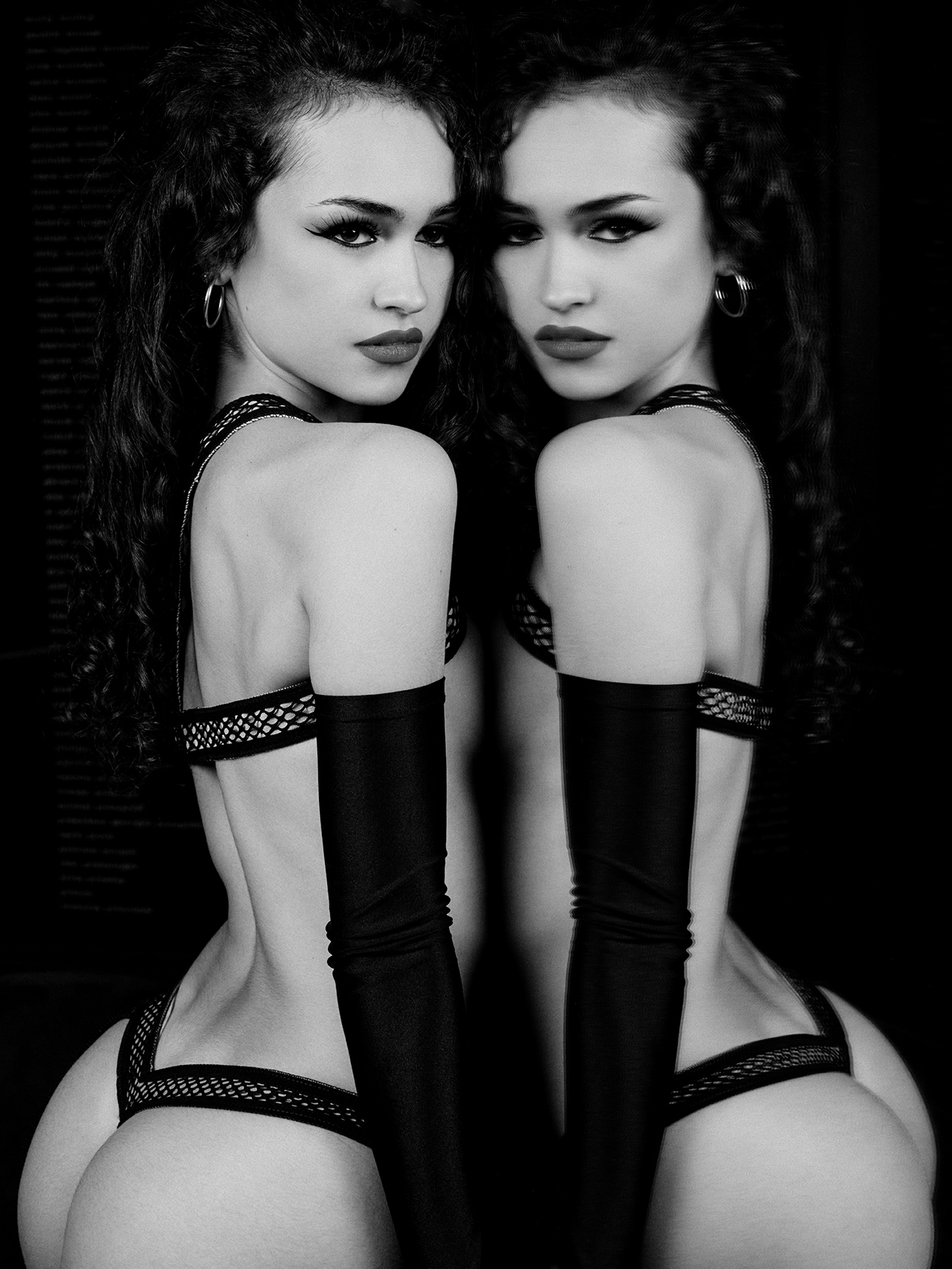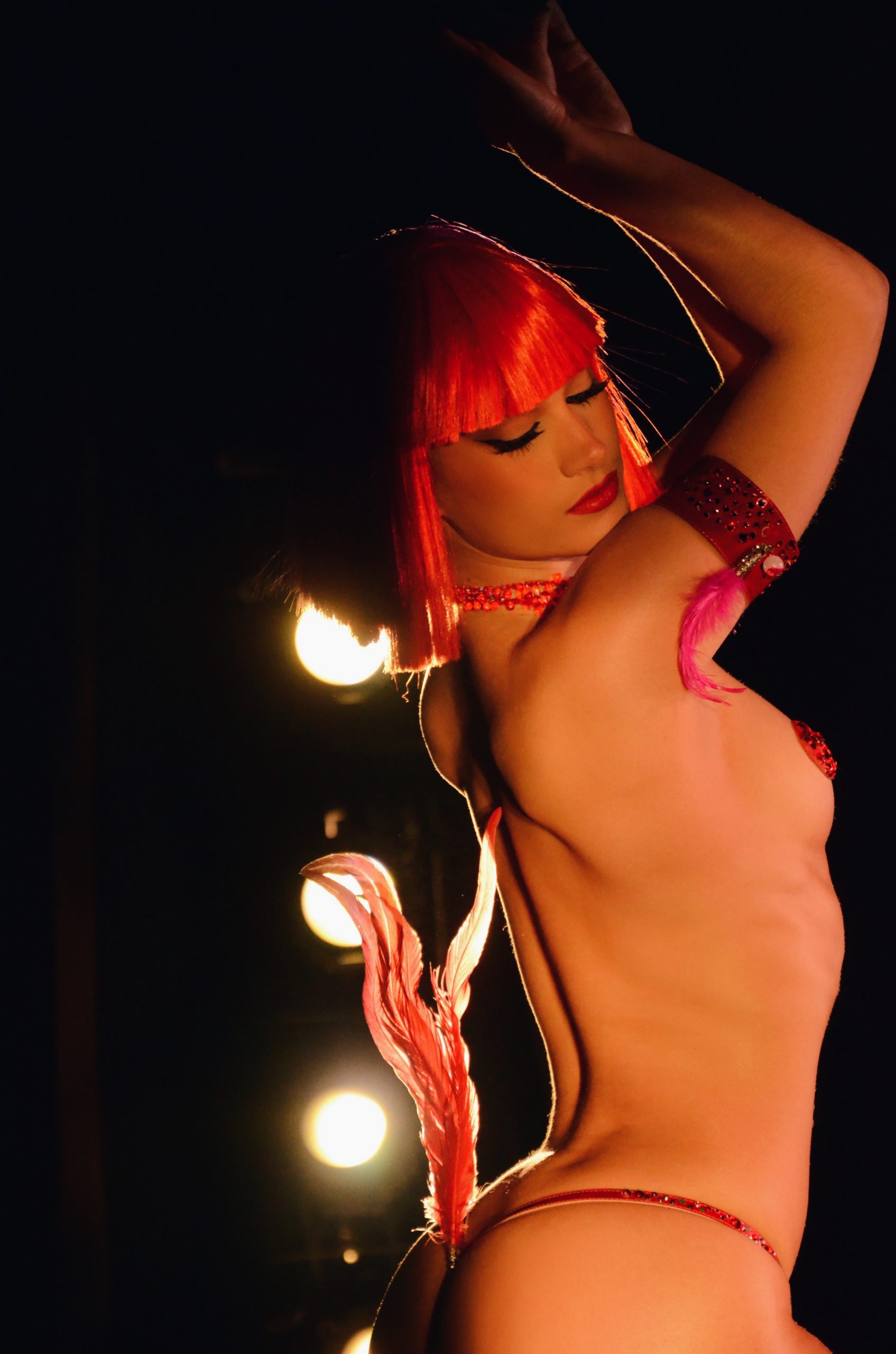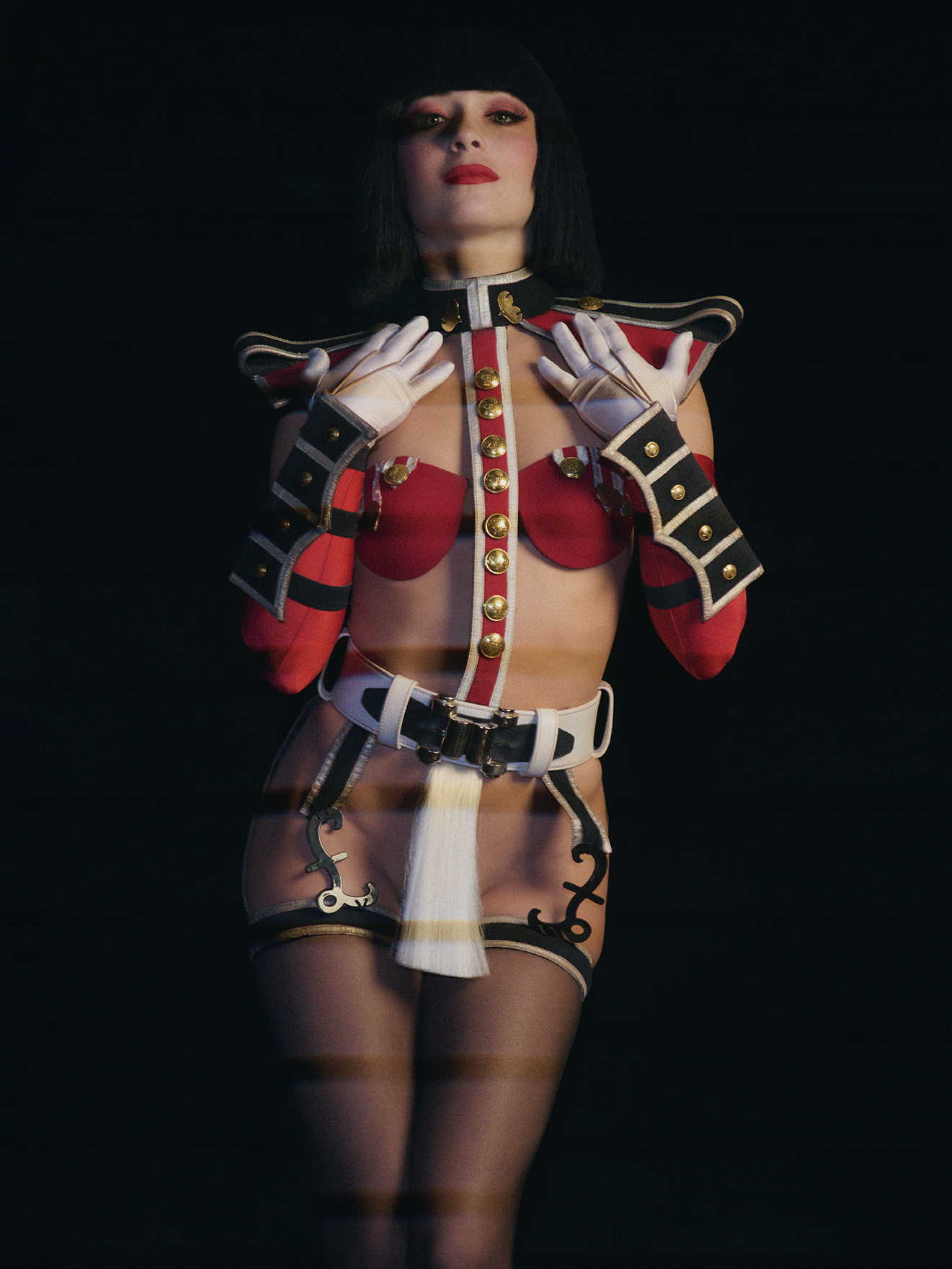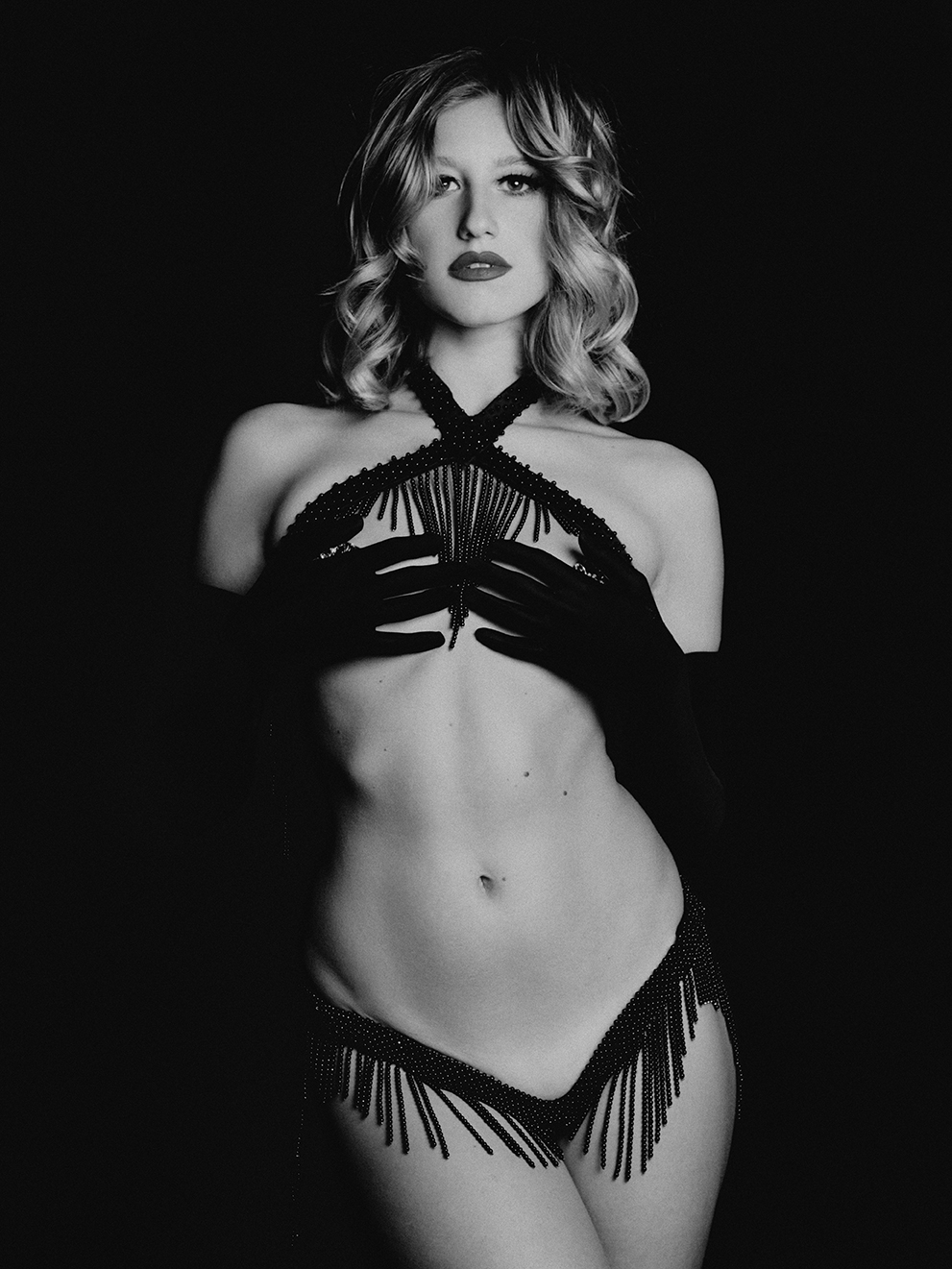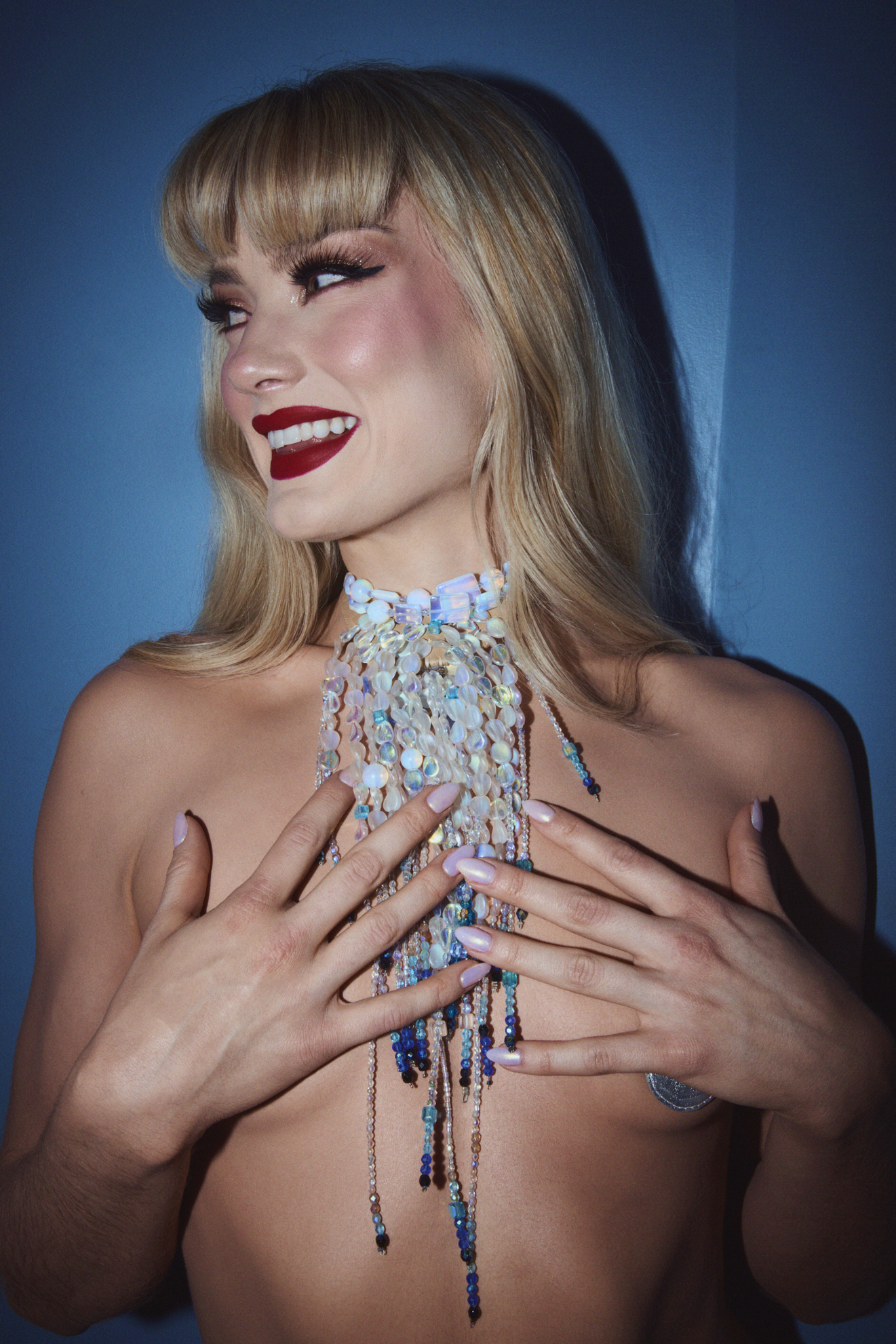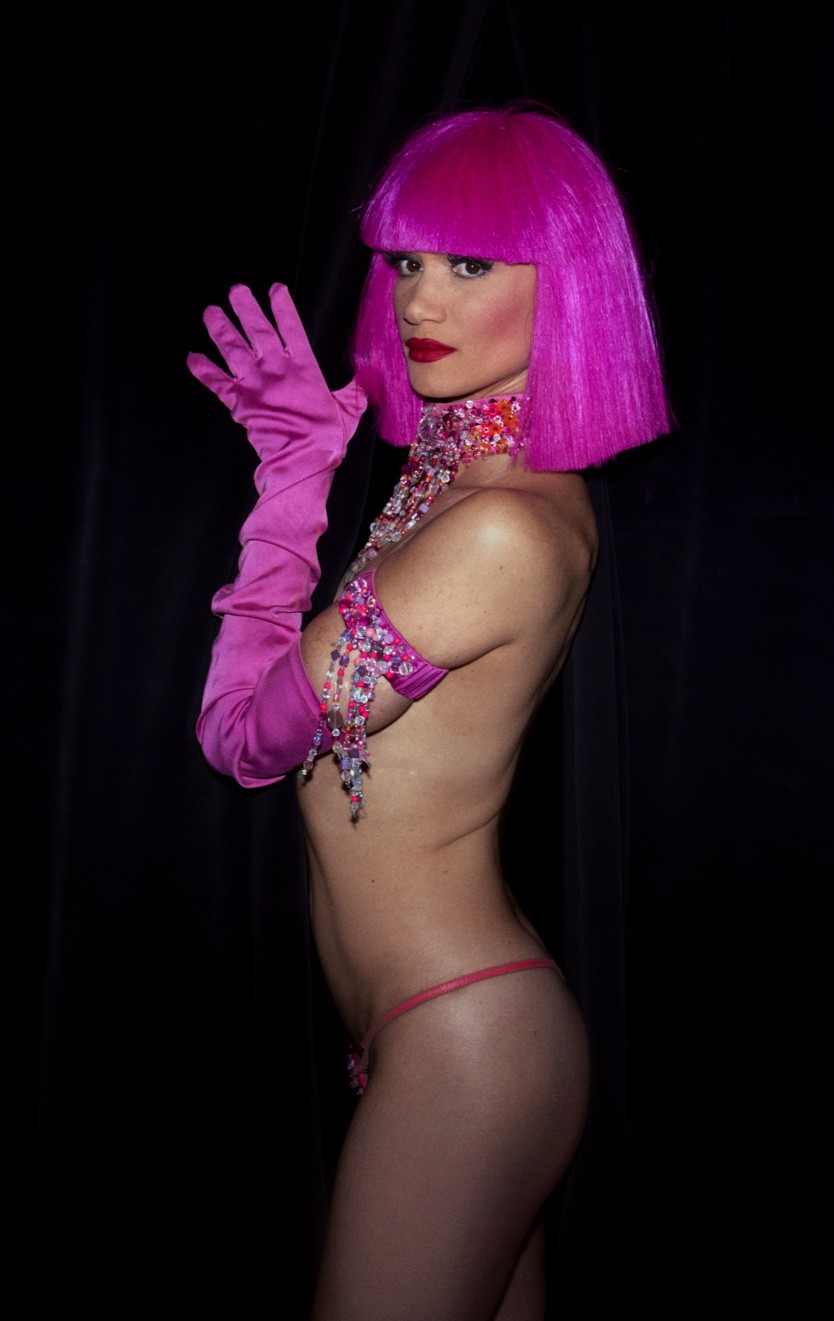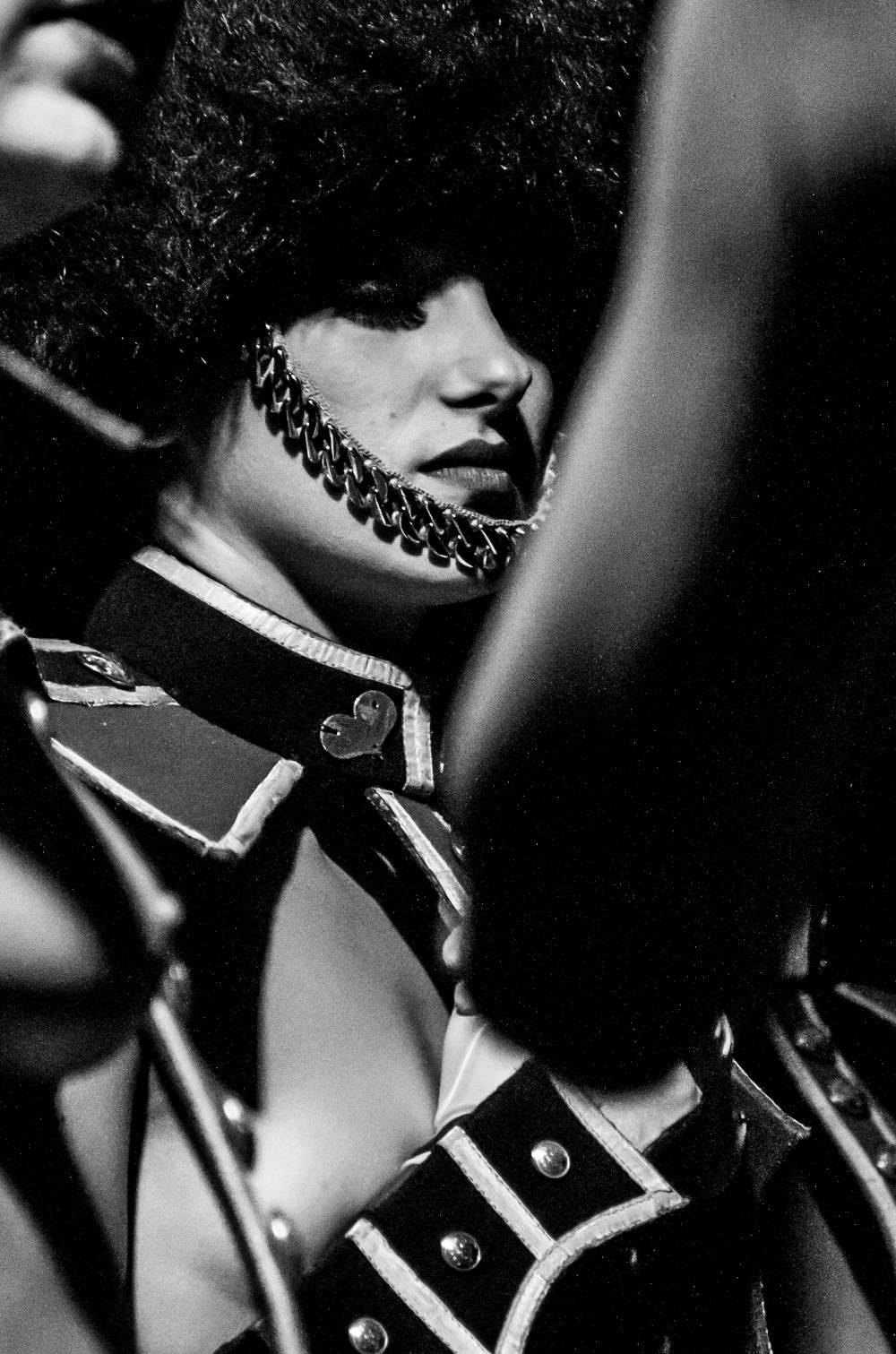
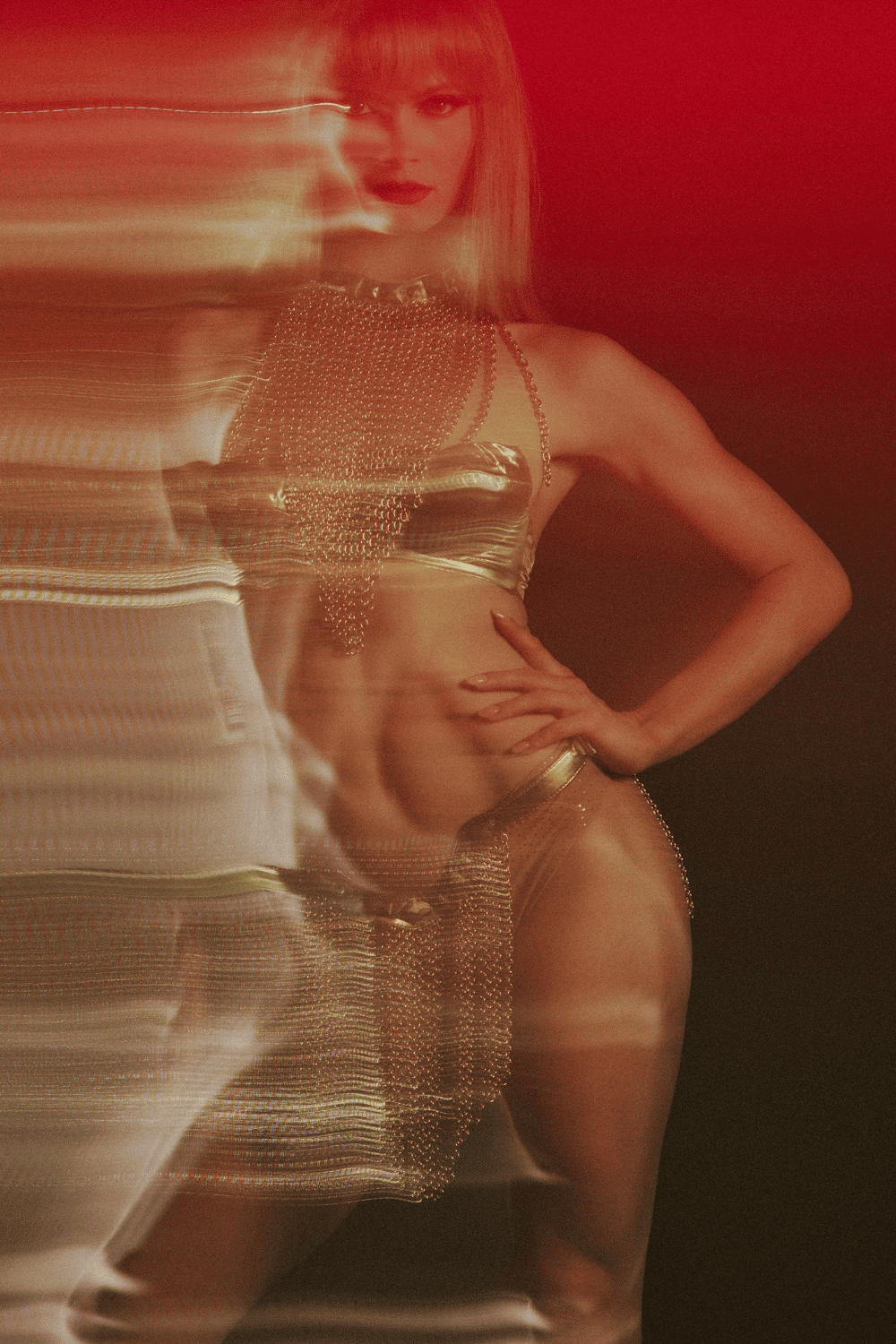
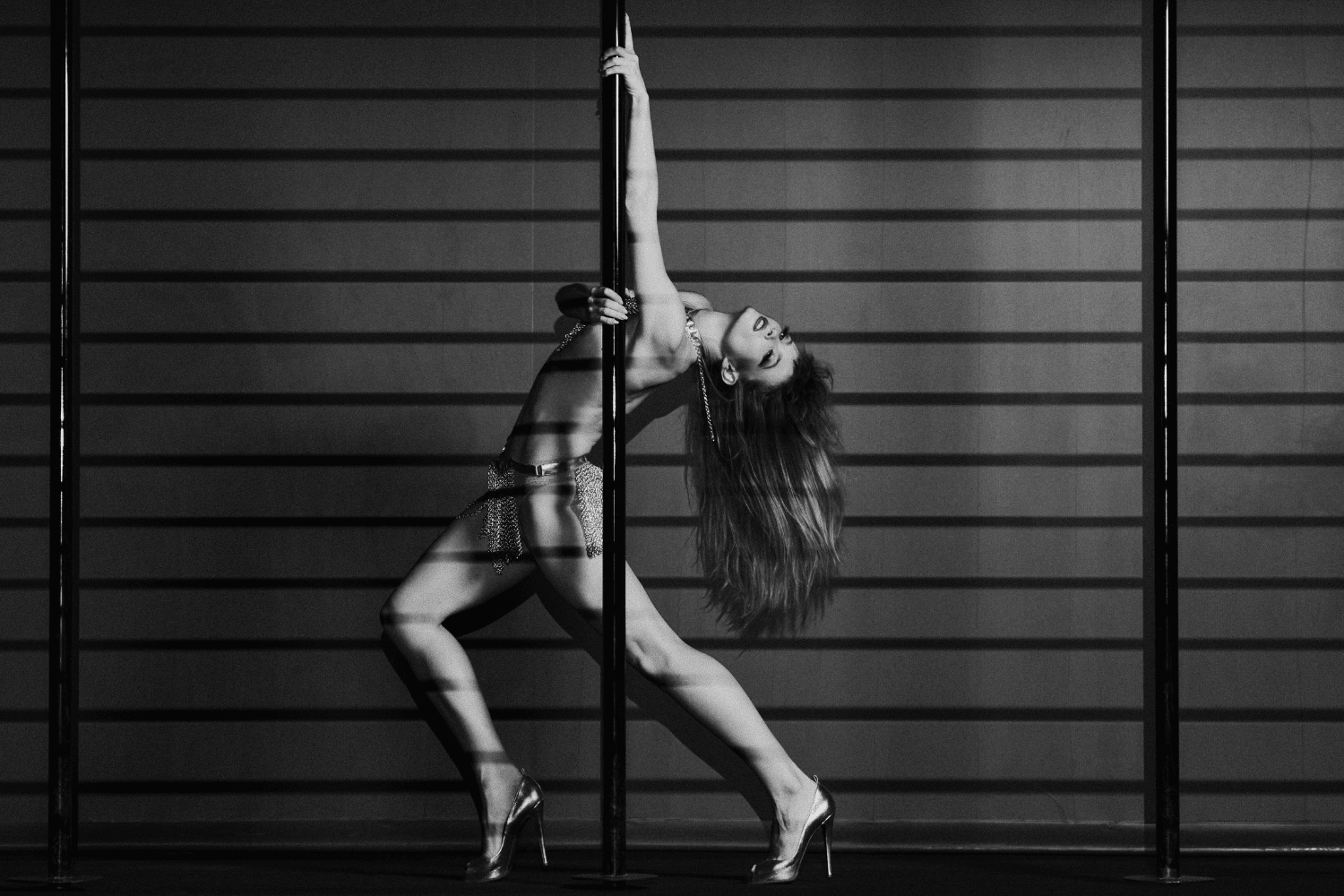
What story lies behind your stage name?
Zoé means “life.” It is a name with character, distinctly French in sound, both chic and energetic. As a little anecdote, my parents seriously considered naming me Zoé, so this name has been with me in some way all my life. “Showcase” refers to the many artistic productions I have been part of.
What is your story with dance?
I’m originally from Aix-en-Provence. Dance wasn’t really a choice at first, but I grew up with it as such a natural part of my everyday life that it felt inevitable. Later on, I dreamed of becoming a businesswoman or a lawyer. At fifteen, my mother signed me up for the Conservatoire National Supérieur de Musique et de Danse de Lyon. I simply went along with it, without really preparing myself. When my application was rejected, I felt deeply humiliated. But that experience sparked a desire in me to overcome that failure. So I decided to prepare for the entrance examination to the Conservatoire National Supérieur de Musique et de Danse de Paris instead, where I was accepted. At the same time, I joined Paris-Dauphine University, in a programme designed for high-level artists and athletes. At the end of my first year, I suffered an injury that required several months away from dancing and made me question my future at the conservatory. It was at that point that I truly chose dance, for the first time. When it was suddenly slipping away from me, I realised I needed to make it my priority and build my life around it. Four years later, I graduated with a master’s degree, specialising in repertoire and creation. Since then, dance has opened doors I could never have imagined, whether as a contemporary dancer, an artistic event organiser or a producer. I’ve had the opportunity to collaborate with renowned choreographers such as Dimitri Chamblas, who is also my mentor, Maud Le Pladec and Benjamin Millepied, as well as with major luxury houses and prestigious cultural institutions. Alongside this, I’m also developing my career as a singer, as well as the events side of Saison 404, the association I founded with my husband. Today, Crazy Horse Paris has become another chapter in my artistic world, and I couldn’t be happier.
Who are you when you dance on Crazy Horse Paris stage?
For me, Crazy Horse Paris is the stage of play and fulfilment. The stage of play because I am constantly exploring that delicate balance between control and letting go, which is incredibly exhilarating. And I speak of fulfilment because dancing at Crazy Horse Paris means having met all the standards of excellence that define this house. It requires hard work above all else, and that recognition is precisely what makes me proud.
What do you want to convey to the audience when you dance on Crazy Horse Paris stage?
I would like to leave them with a sense of joy, freedom and confidence. I would love for a man or a woman to walk out of the show thinking, “I don’t know exactly why, but I feel stronger for tomorrow.”
How would you define femininity?
Femininity is about energy, sensitivity, possibility, nuance and power. To me, femininity is not something exclusively reserved for women. It is a certain je ne sais quoi that makes all the difference. And I’m fascinated by discovering it in men, too.
In your view, what has made Crazy Horse Paris so magical for seventy-five years?
The magic of Crazy Horse Paris lies in its women. They are not simply beautiful and talented. They understand the weight of the legacy of a house like Crazy Horse Paris, while trusting themselves enough to reinterpret its story over time. Some act, such as Vestal’s Desire, have been performed for decades and still feel completely relevant today, because the women who dance them are rooted in their own era and understand what they have to convey.
What inspires you about the lighting at Crazy Horse Paris?
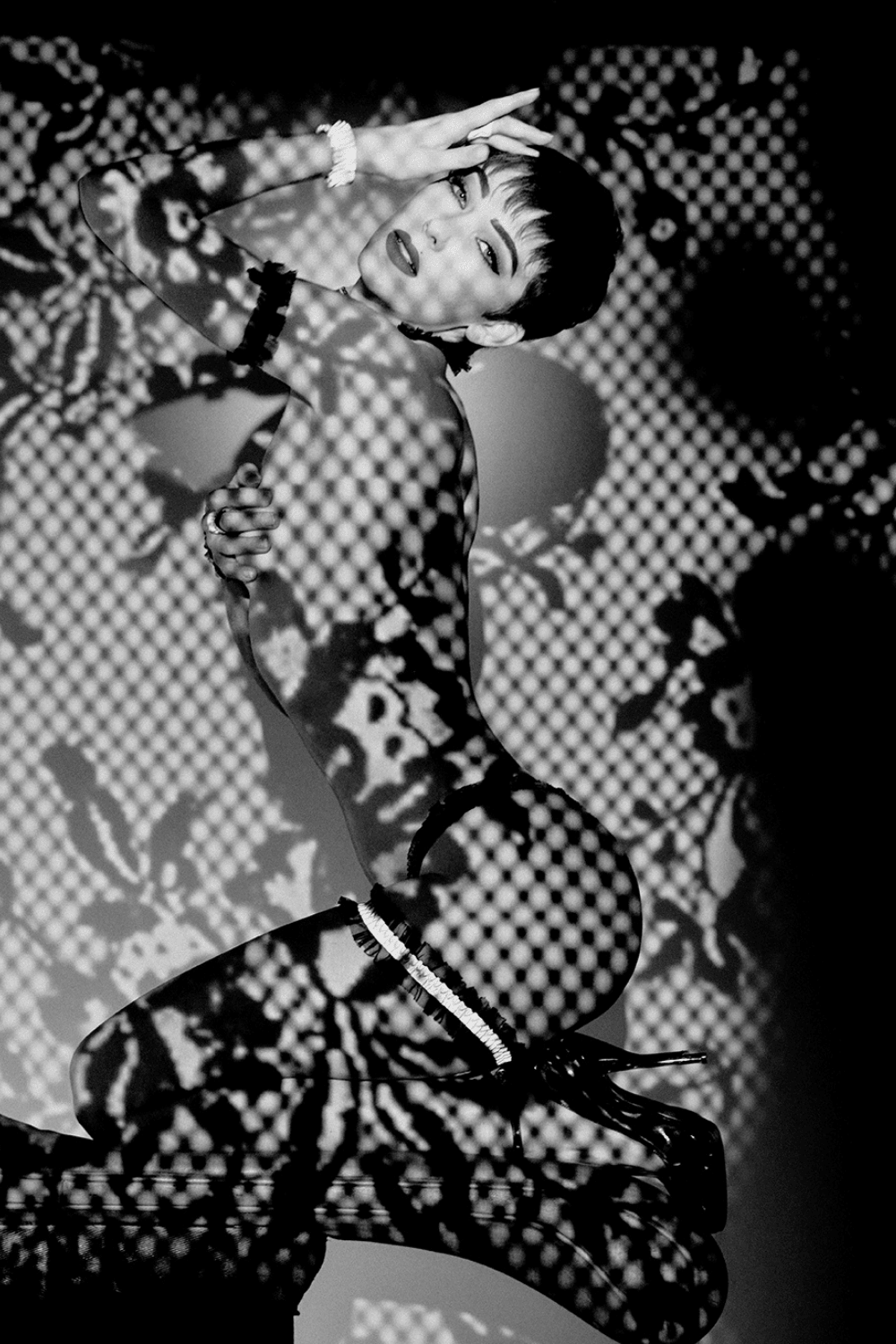
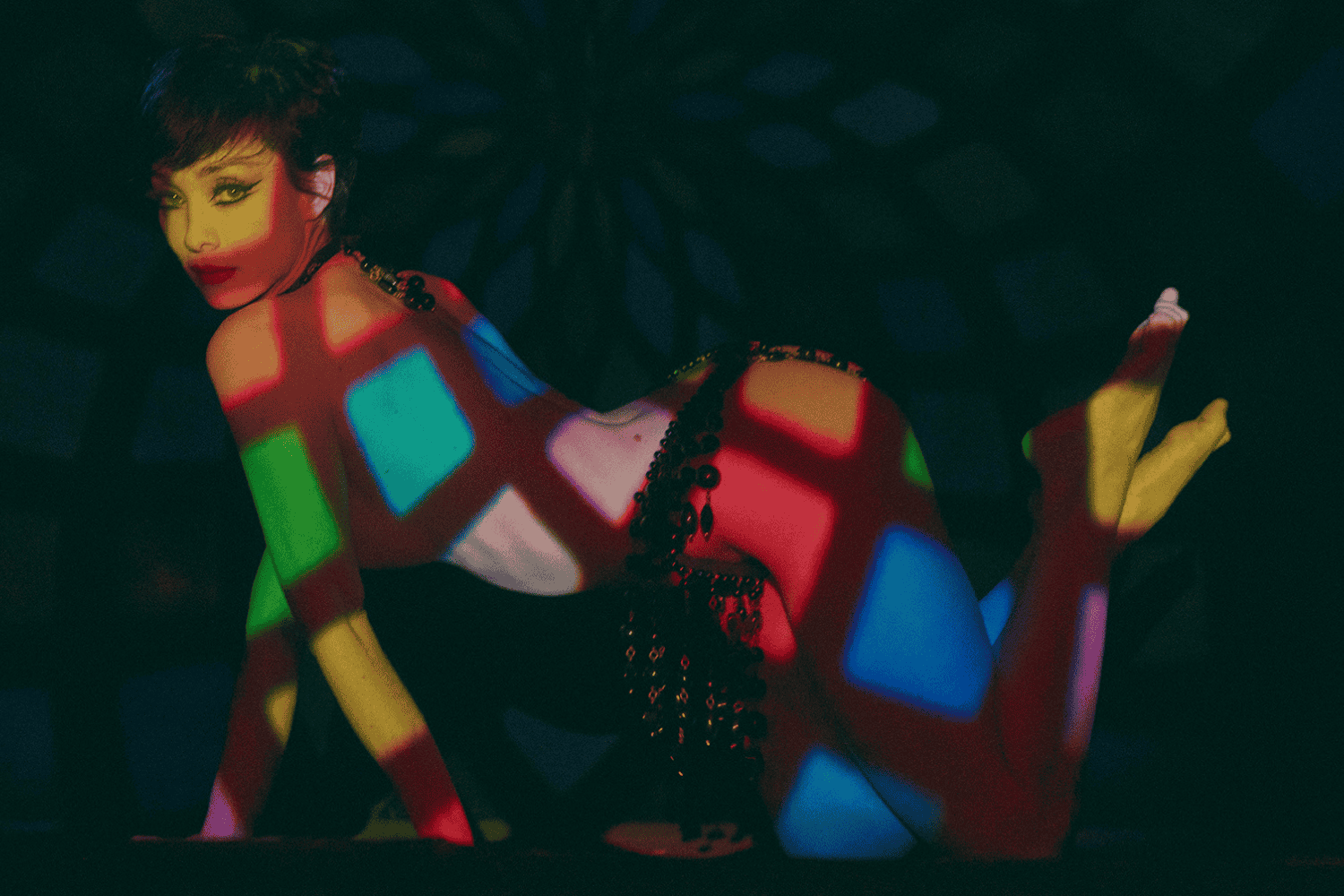
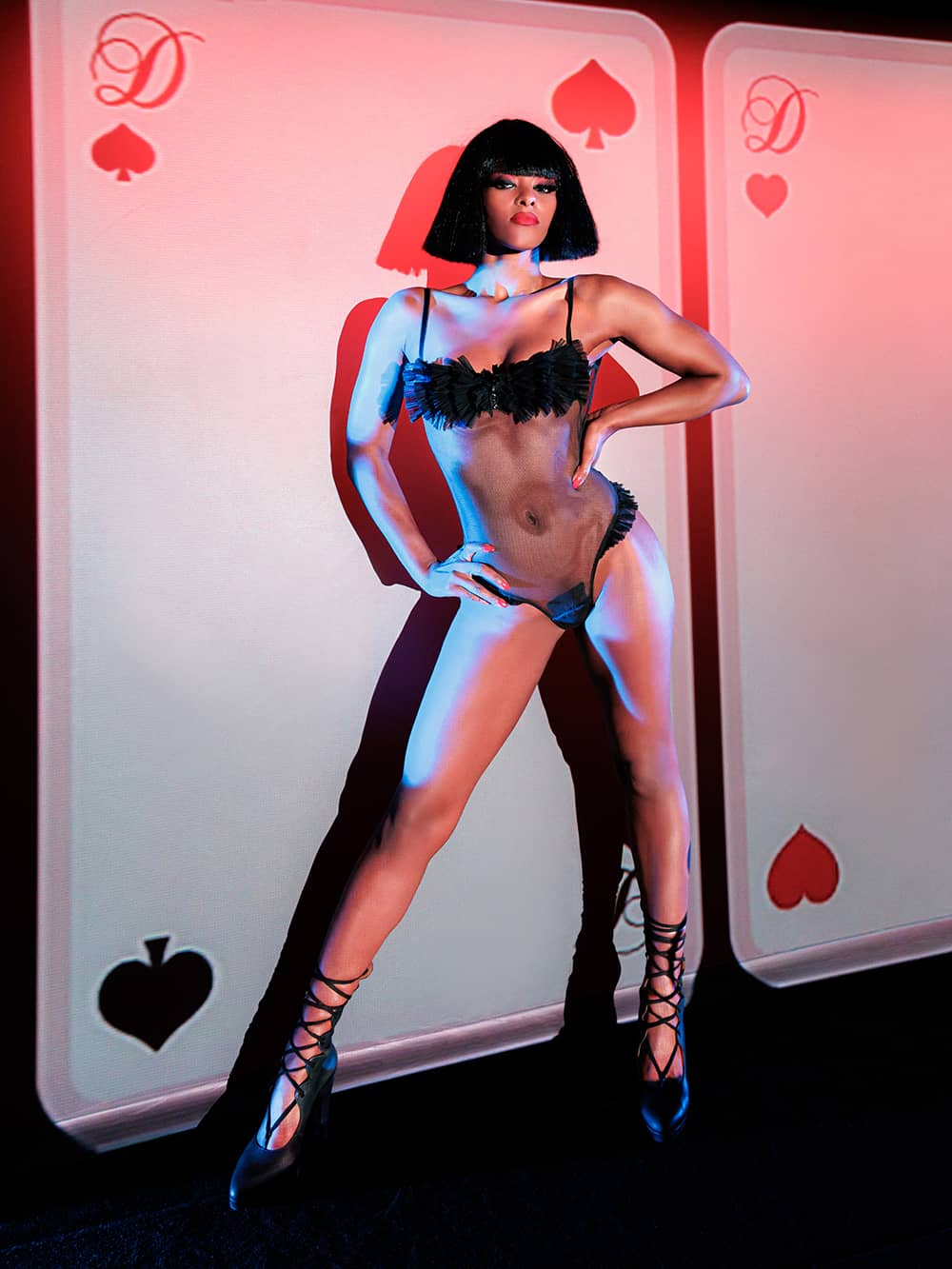
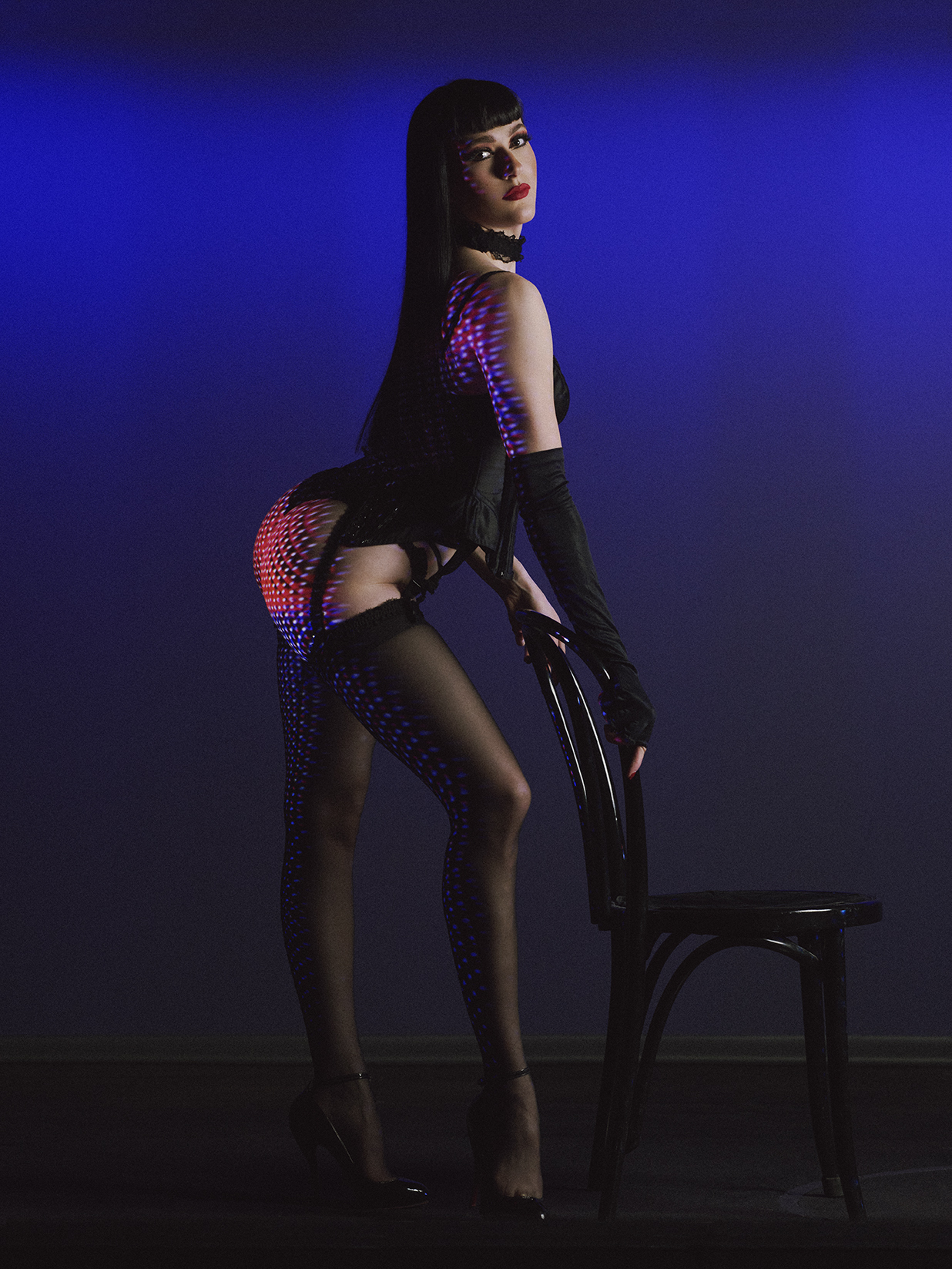
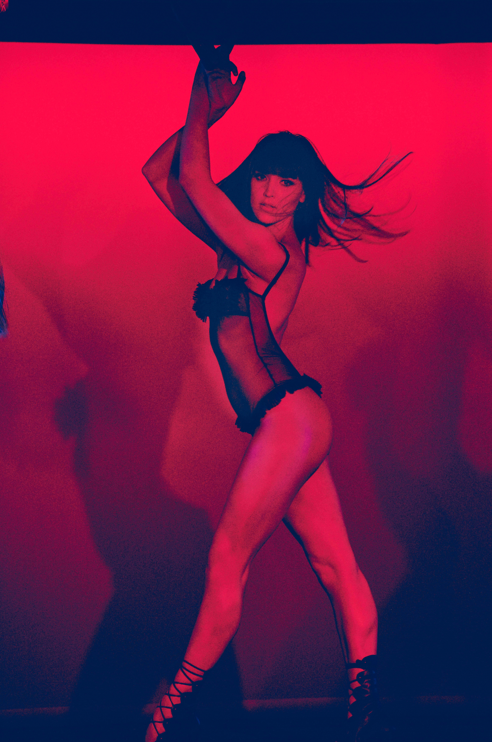
The idea of projecting patterns of light onto the dancers’ bodies to dress them is perhaps the most visionary aspect of Crazy Horse Paris. The way they are designed is as much a technical feat as an artistic one, and they have become part of Crazy Horse Paris’s signature. The lighting and choreography are created together, in constant dialogue. The entirely black sets are not simply an aesthetic choice: they are designed to absorb the light and allow the body to become the sole canvas for expression. The result is unlike anything else in the world.
Which tableau in Totally Crazy! amazes you the most?
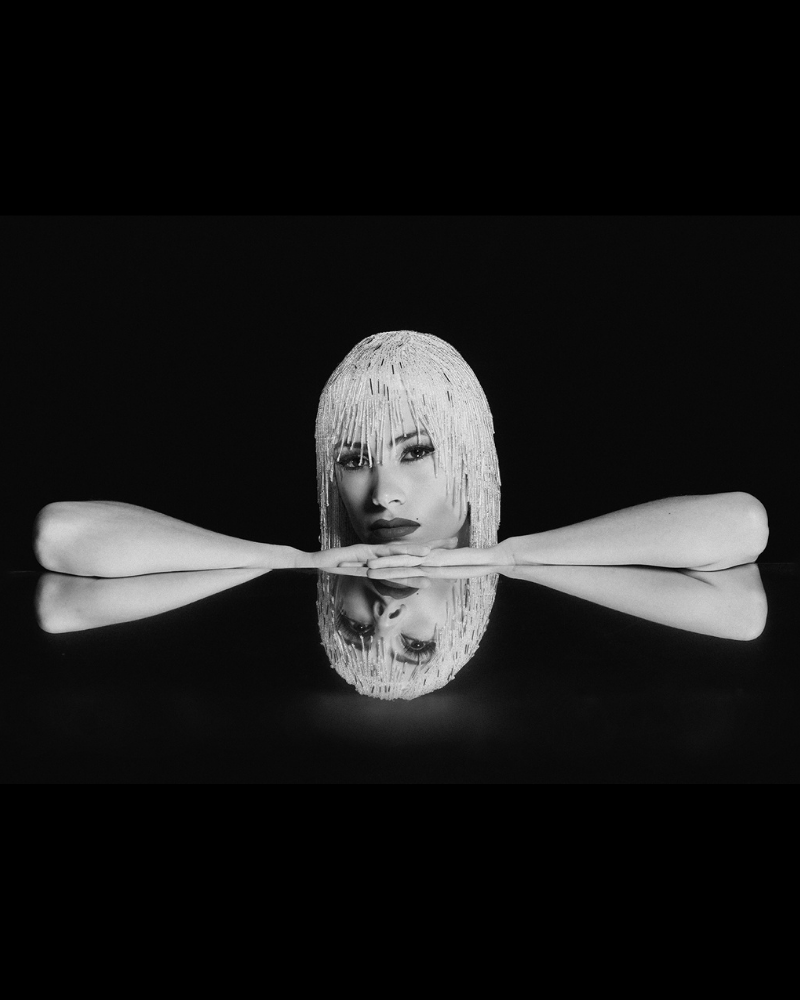
I’m particularly fascinated by Upside Down. The interplay of light and mirrors is, to me, an incredibly subtle and intelligent approach to entertainment. I also love Lay Laser Lay for its mystery, subtlety, freedom of expression and music. These are tableaux that remind me why Crazy Horse Paris is as much a house of art as it is a place of entertainment.