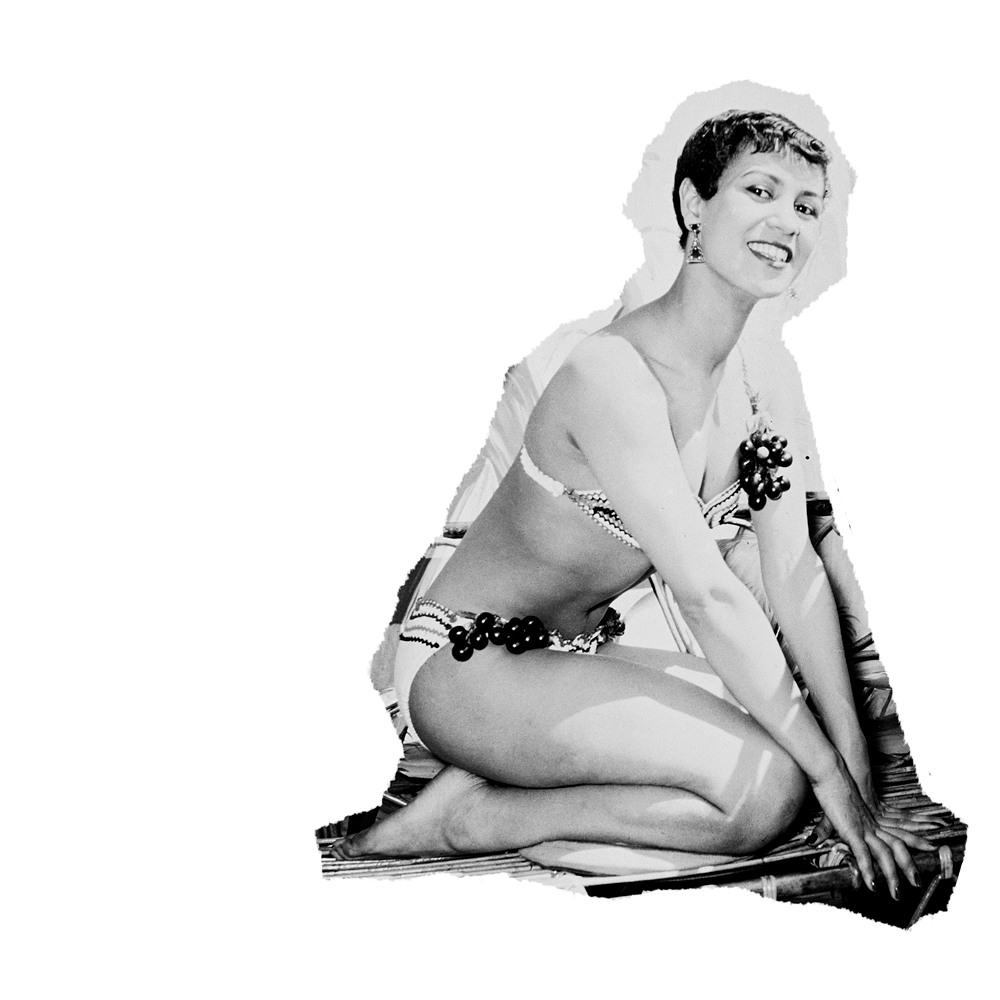
“At the beginning of my career, in October 1952, I saw at Folies Bergère a dancer with angel wings named Fortunia… a magnificent artist… they had not given her the place her beauty deserved.”
Alain Bernardin
So recalled Alain Bernardin in 1971, speaking about the woman who would become the first dancer of Crazy Horse Paris.
.
Bernardin had opened Crazy Horse Paris in 1951, but something was missing. The show had actors, singers and comedians, but it wasn’t enough, it needed a showgirl. So he shut it down for three months, searching for a new concept, and a woman who could carry it.
Years earlier, he had seen American burlesque star Lily St. Cyr in a magazine and became obsessed with finding that same kind of presence.
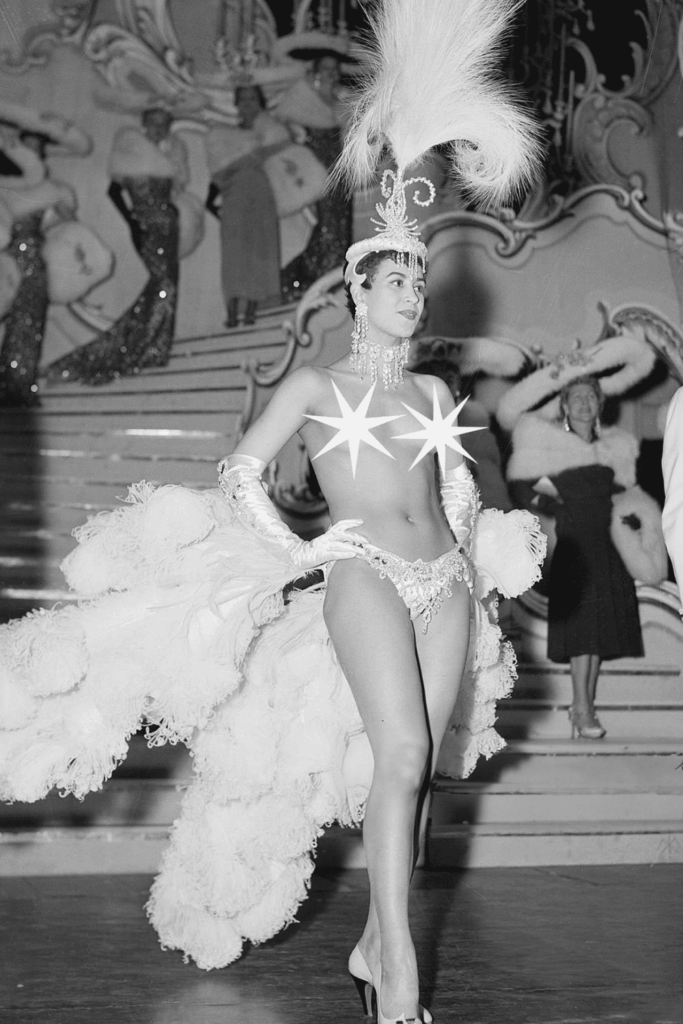
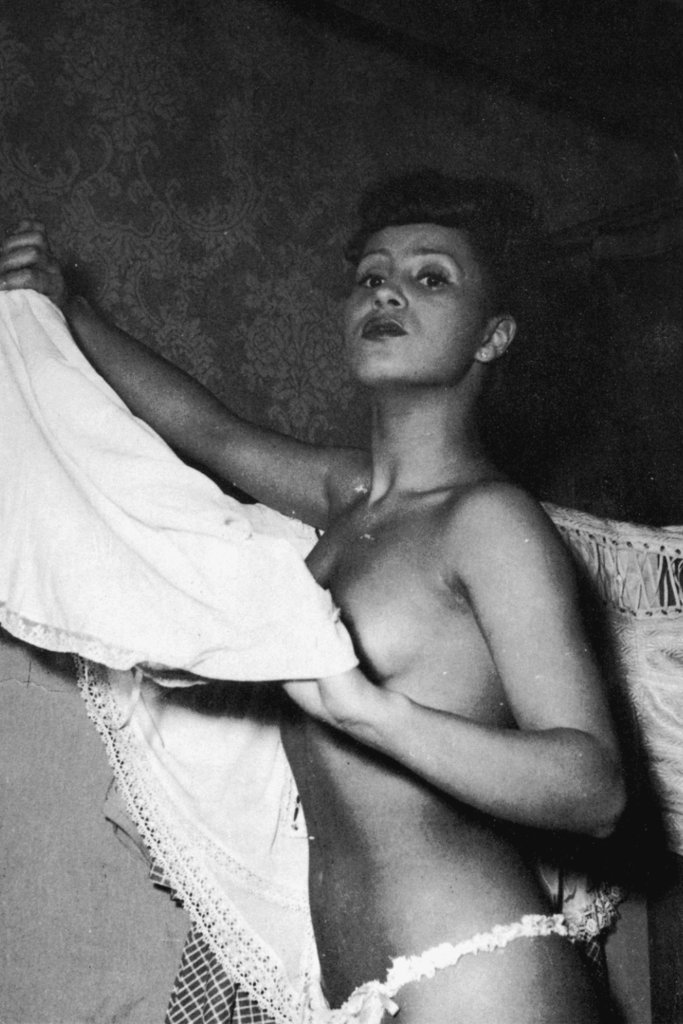
He found her at Folies Bergère. In a secondary role, but impossible to miss. The only black performer in the cast, and easily the most magnetic. He brought her in. Production began. With choreographer Max Revol, Bernardin built a new kind of striptease: stylized and theatrical.
Her routine was a 1900s fantasy: long skirts, layers of ruffles, and a playful premise, a flea trapped in the fabric, forcing her to undress piece by piece. And just like that, Crazy Horse Paris found its language.
Before fame, Fortunia had already endured a life marked by displacement and survival. Born in Haiti to a Haitian black father and Polish white mother, raised in Poland, trained in classical ballet. As a teenager during WWII, she was sent to a concentration camp. After being freed by Black American soldiers, she and her mother fled to Chicago, where she traded ballet for swing and rumba. Then came Broadway. Then Paris.
At Folies Bergère, she performed topless; at Crazy Horse Paris, she learned the art of striptease. The debut was a success. That same night, Paul Derval, director of Folies Bergère, showed up at Bernardin’s office.
—“Alain, I’ll buy Miss Fortunia from you. At any price.”
—“Dear Paul, I cannot resell her to you.”
—“Resell her?”
—“Of course. She was part of your show.”
And just like that, Fortunia stopped being a dancer in a revue. She became the beginning of an institution, the blueprint for generations of Crazy Horse Paris dancers.
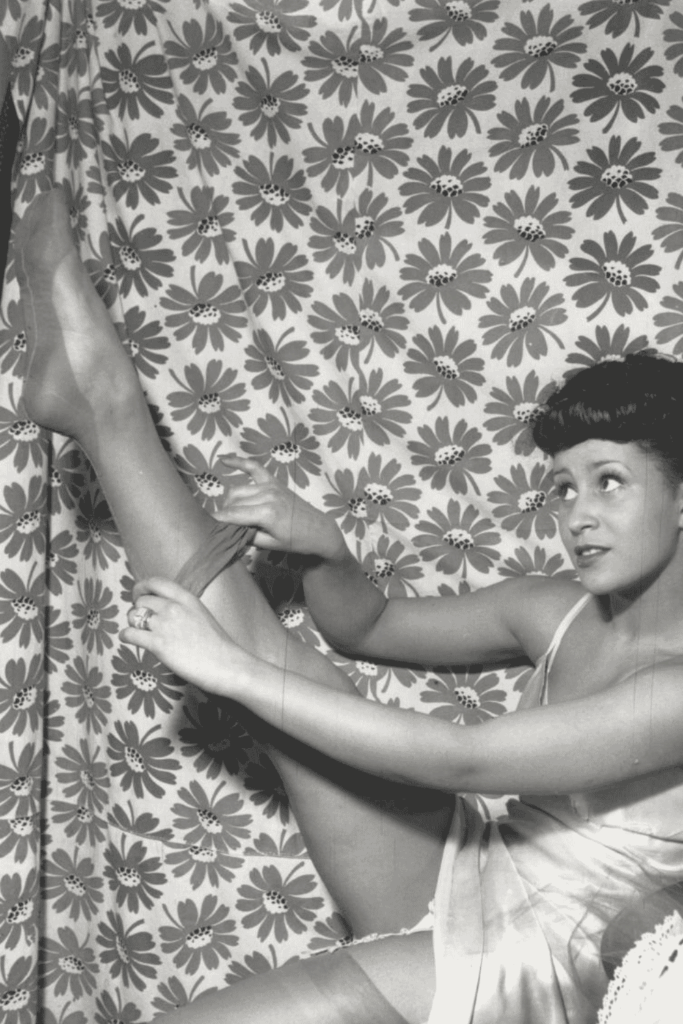
Photo credits : Crazy Horse Paris archives - Book "Les filles du Crazy" - Paris, 1982