The Muses of Crazy Horse Paris
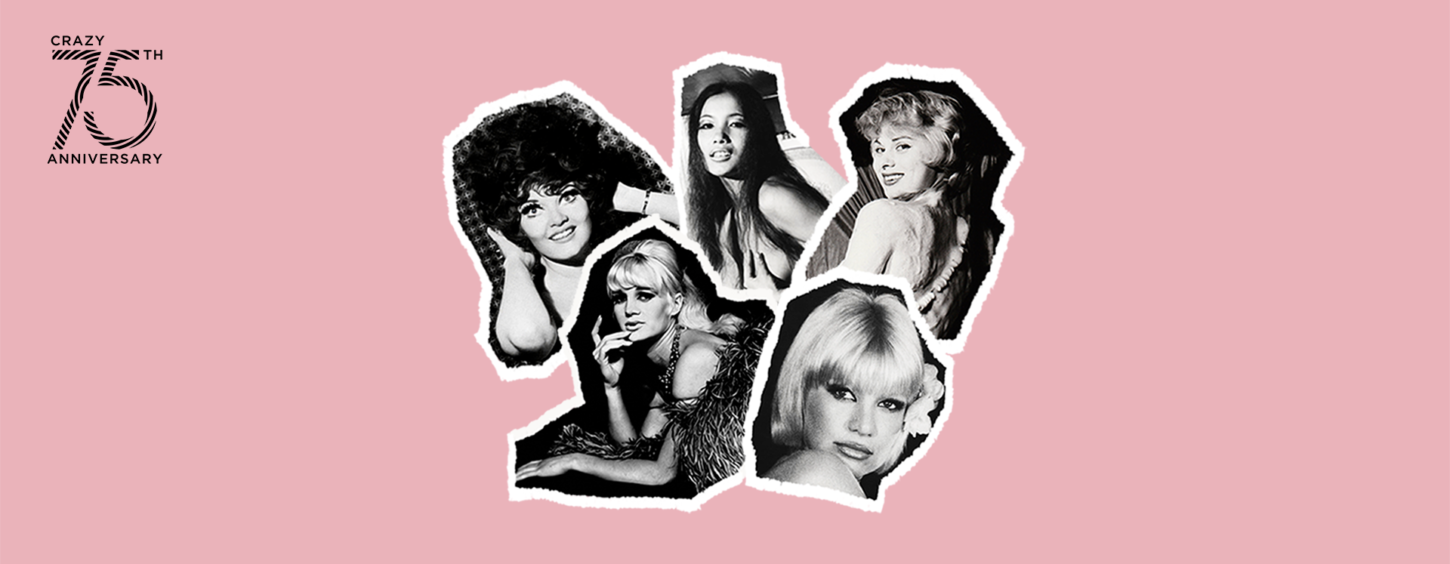
They are the muses, the icons, the guardians of a unique artistic language of a cabaret which has always stood, long before it was fashionable, on the side of women who dare.
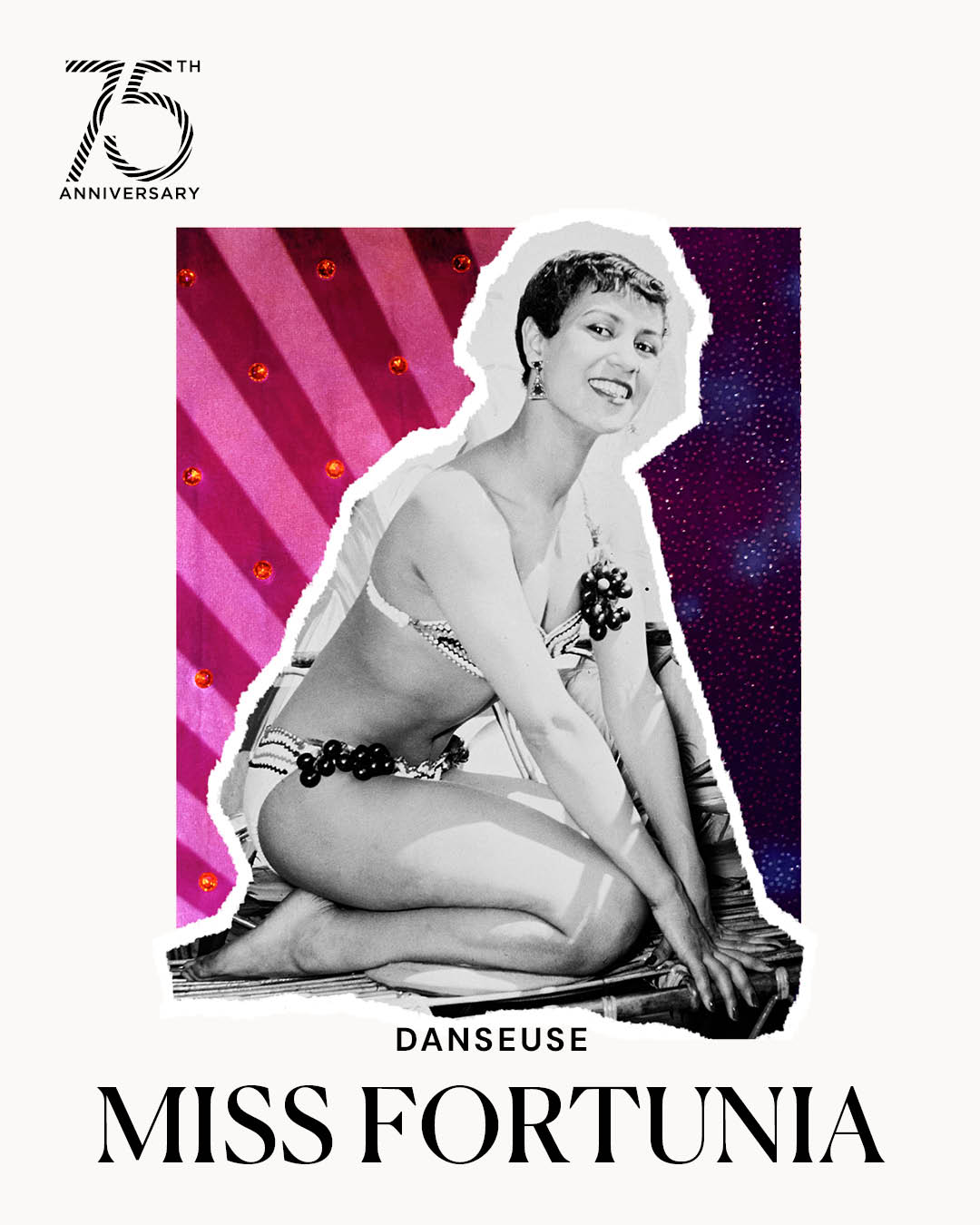
Miss Fortunia
“At the beginning of my career, in October 1952, I saw at Folies Bergère a dancer with angel wings named Fortunia… a magnificent artist… they had not given her the place her beauty deserved.”
So recalled Alain Bernardin in 1971, speaking about the woman who would become the first dancer of Crazy Horse Paris.
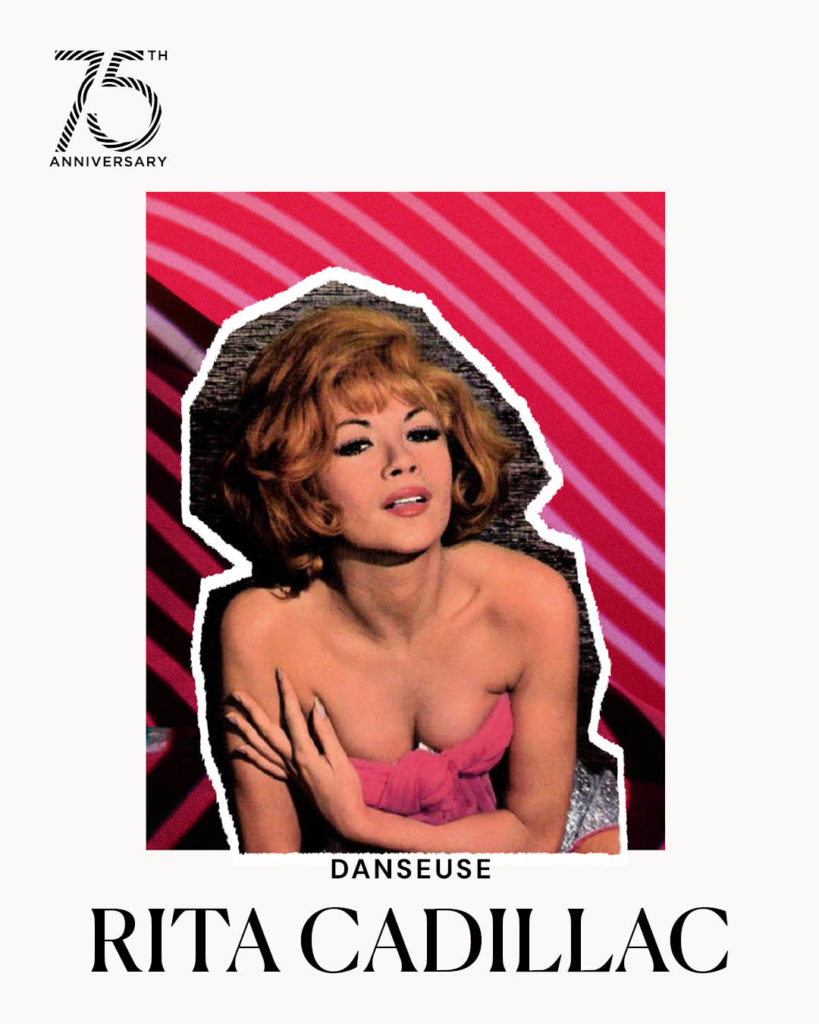
Rita Cadillac
Alain Bernardin described Rita Cadillac as “tall, slender like a thoroughbred, with a body of warm amber color, long hair with red highlights, and green eyes with a strange lilac gaze.” He created her first solo: a satin dress slowly coming apart beneath fur coat. To a fast modern rhythm, she emerges from a lingerie set. She leaves the stage as a white fox slides along her body. That performance made her a sensation across Paris.
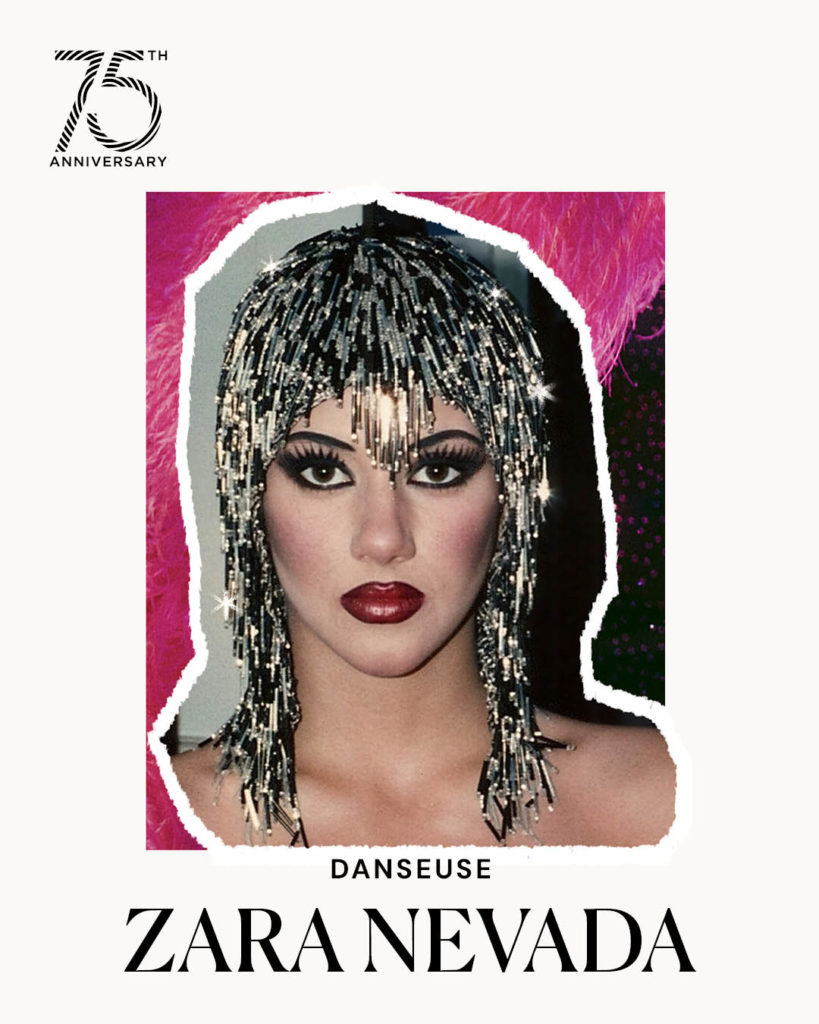
Zara Nevada
“We were treated like princesses” recalled Zara Nevada. But that level of visibility came at a cost. Between shows, rehearsals, TV appearances, photoshoots, and press, there was barely time for anything else. Offers came her way, but being a Crazy Horse Paris dancer wasn’t just a job, it was total commitment.
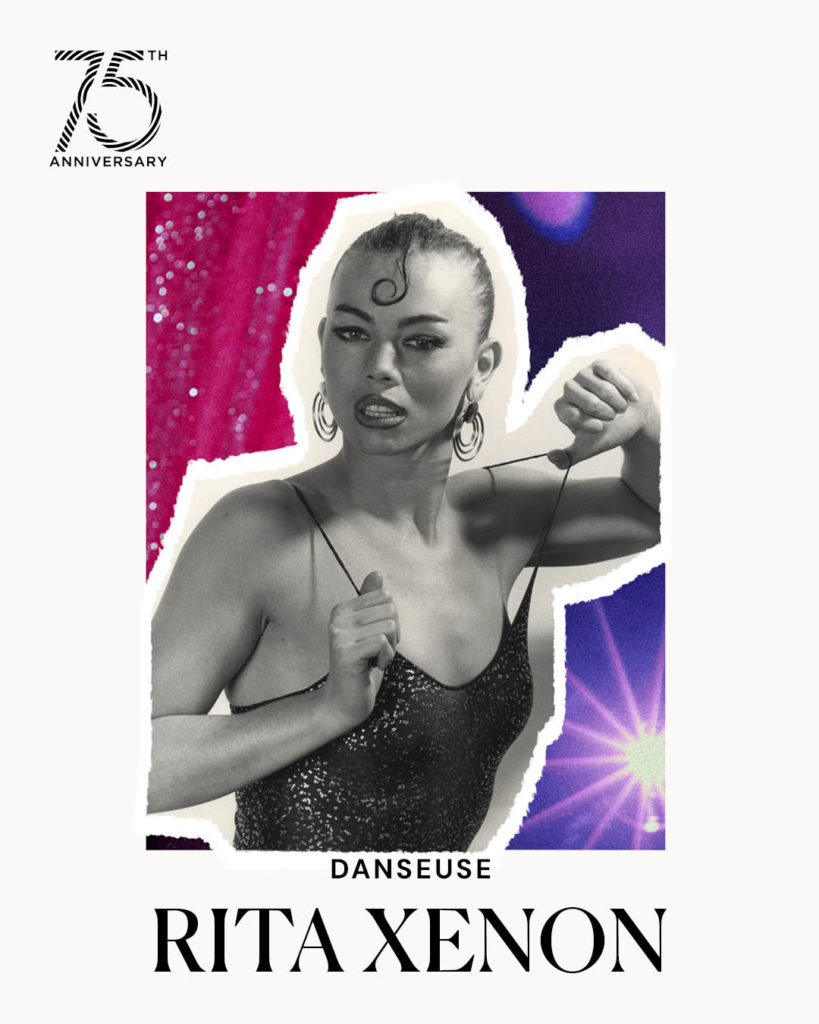
Rita Xenon
... Rita Xenon appeared in films throughout the 1980s and 1990s, but perhaps her most unexpected legacy came decades later. Her memoir inspired producer Dominique Besnehard to develop ‘Ça, c’est Paris!’ (2024), a TV series inspired by the hidden lives of Parisian showgirls, featuring icons like Monica Bellucci, Christian Louboutin, and showgirl legend Line Renaud.
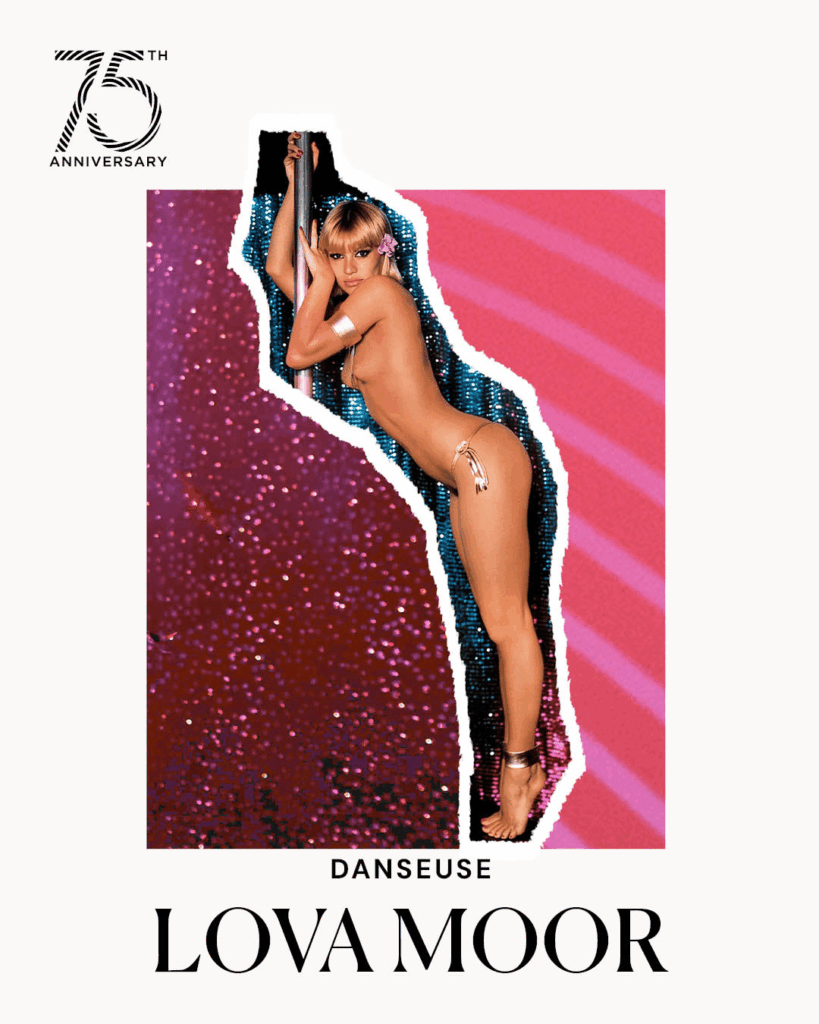
Lova Moor
Lova reimagined cabaret as an avant-garde expression of French glamour, merging the aesthetic codes of French chic with the liberated spirit of the 1970s. Her performances dissolved the boundaries between eroticism and art, mastering the power of pole technique and the theatricality of Eartha Kitt. In one night, she could shift from the precision of a choreographed piece to crawling onstage lip syncing to a lion’s growl.
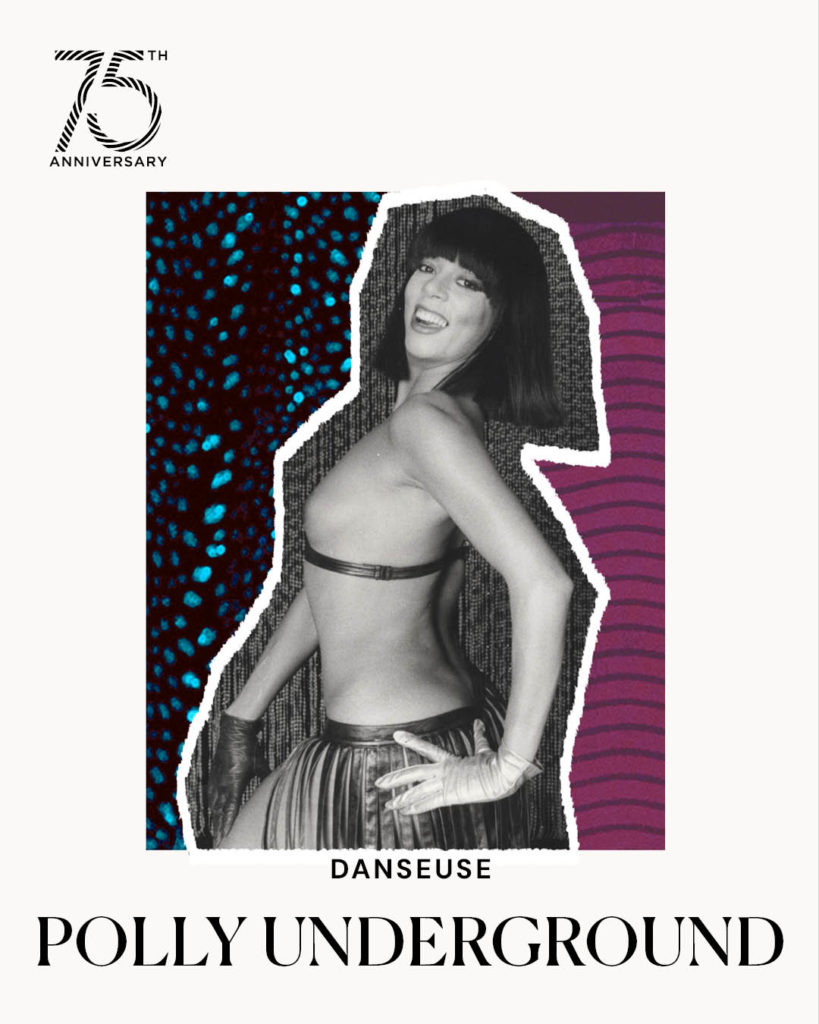
Polly Underground
Often described as the dancer who came closest to founder Alain Bernardin’s artistic ideal, Polly Underground didn’t just become one of the most famous showgirls at Crazy Horse Paris. She became the standard. In her, Bernardin found a reference point, and ever since, dancers have been measured against her. No surprise. She had it all: technique, beauty, presence.
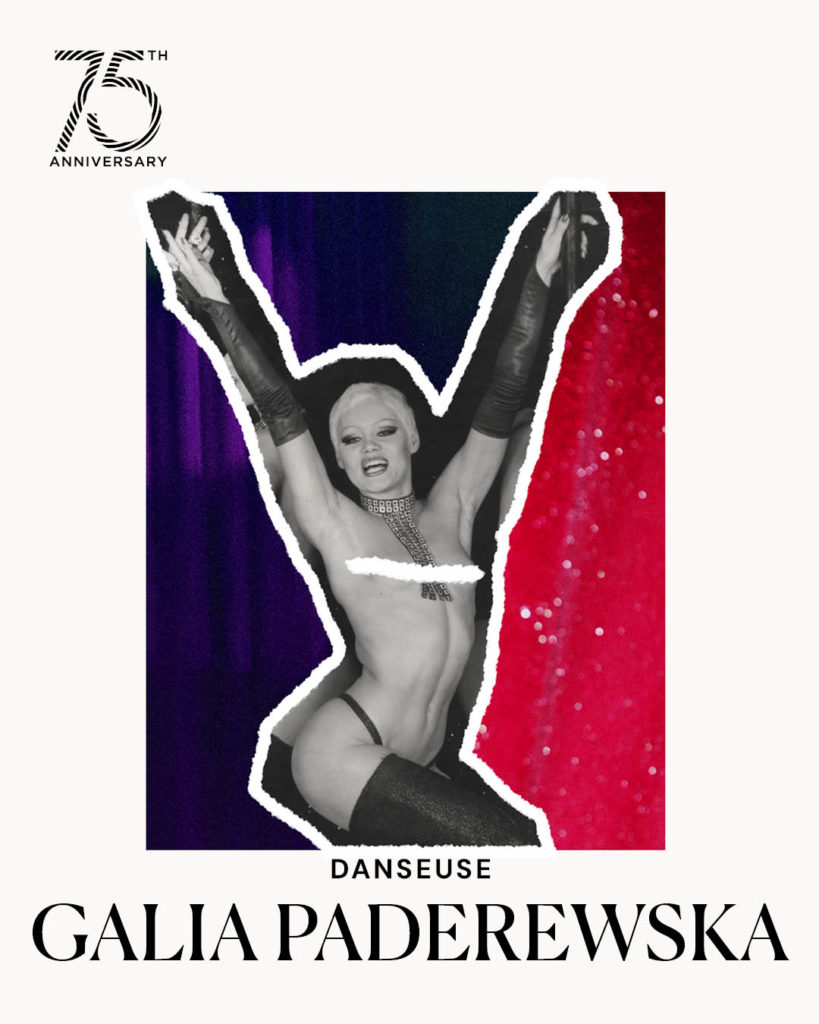
Galia Paderewska
Short-haired, blonde and blue eyed, this Slavic beauty was constantly promoted as one of the defining faces of the cabaret, alongside icons like Lova Moor and Polly Underground. In 1976, while Alain Bernardin was filming “Crazy Horse de Paris”, a multi million-dollar movie about the venue, she was featured prominently. Even within a cast made up entirely of glamorous and highly charismatic women, she stood out.
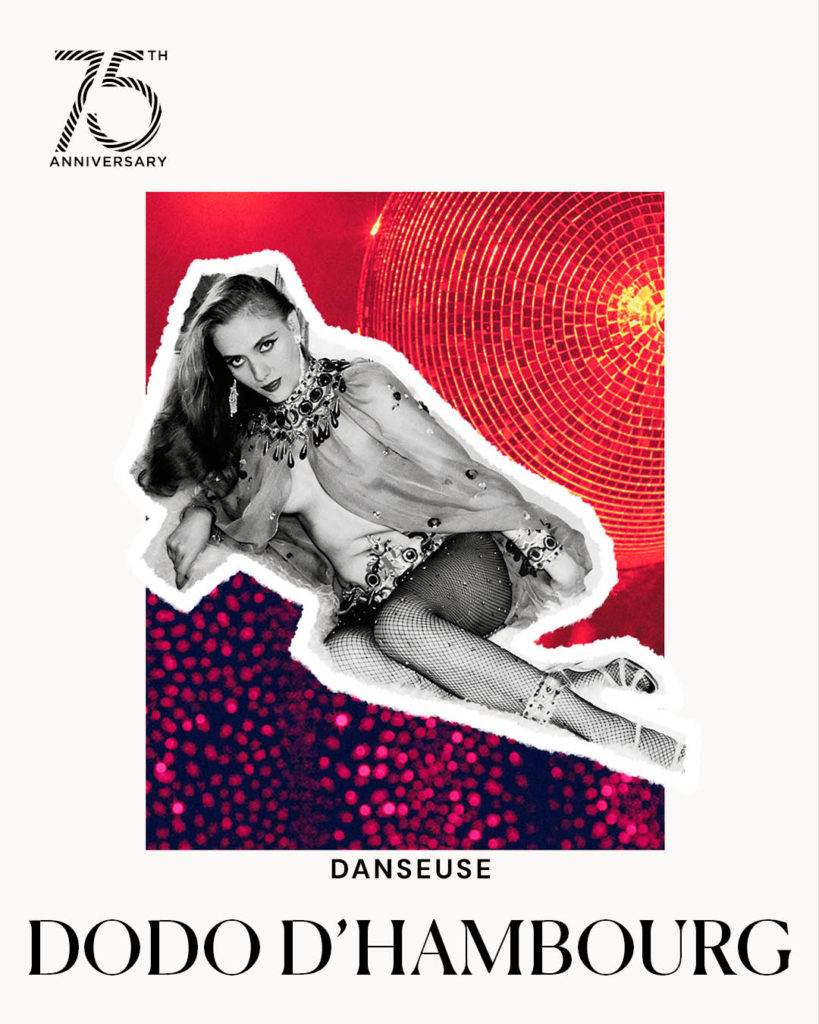
Dodo d'Hambourg
The daughter of a Protestant pastor, she grew up in a conservative household, in a home attached to the back of a church. Her young years were marked by World War II, and after her father’s death, she became her family’s provider. Cabaret entered her life out of necessity, and it quickly became her path..
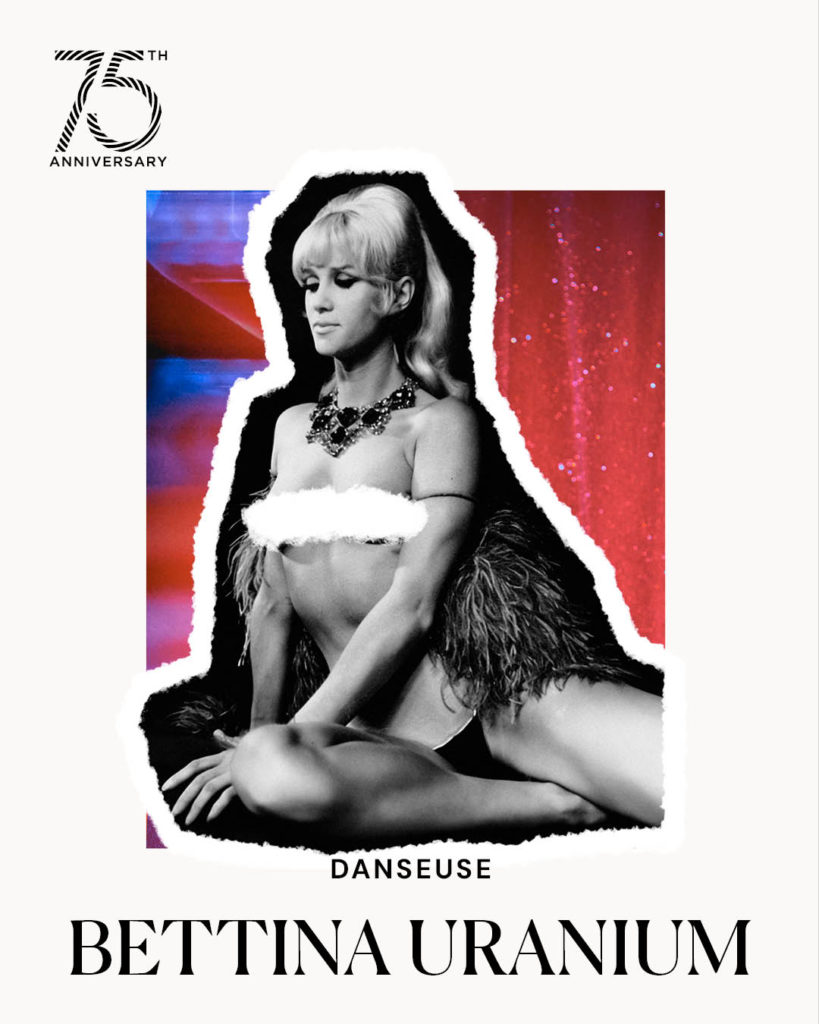
Bettina Uranium
She joined Crazy Horse Paris in 1964, and in the years that followed, became part of some of its most iconic acts. A 1970 interview captures her perfectly. A playful diva, detached, self-aware: “I like to live in luxury. The easy, disorganized life is for me. Having my photograph taken, drinking champagne when I feel like it — especially in the bath in the morning. I hate sentimentality and public demonstrations of affection. I’m Bettina — surely, that’s enough.”
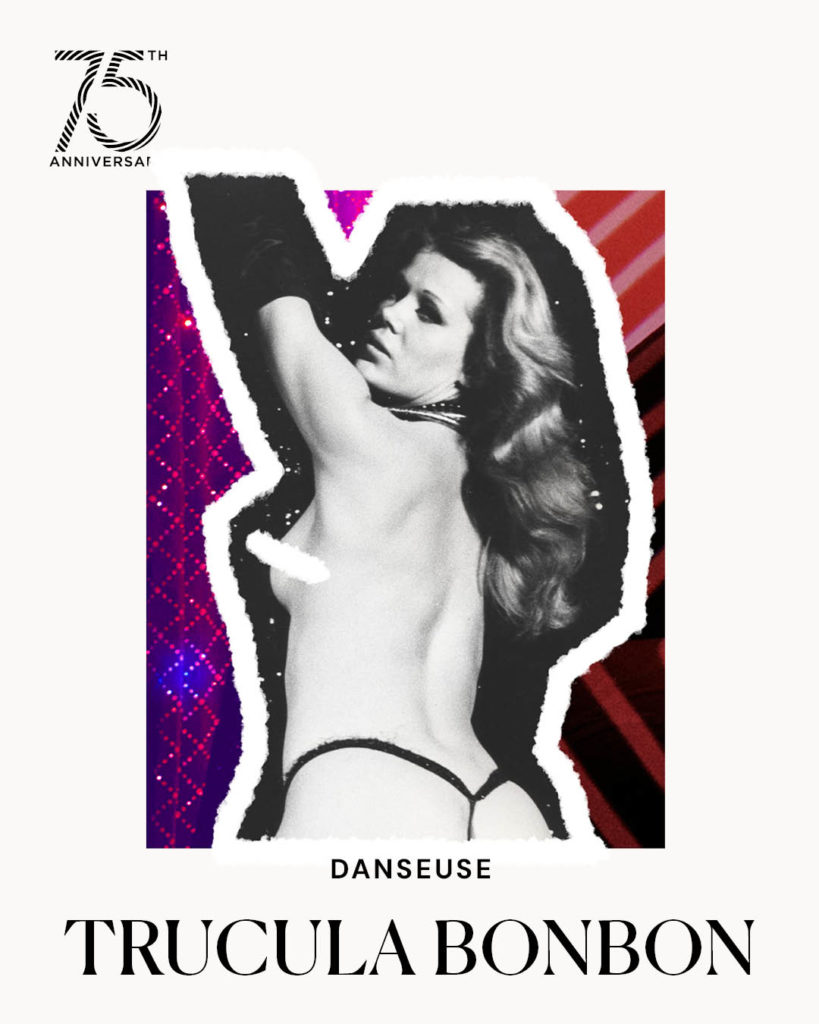
Trucula Bonbon
She lived a quiet and structured life, but everything changed when she met Luciano Ghion, a young Italian working as a waiter in Germany. They fell in love quickly and decided to marry, despite her parents’ disapproval.
Luciano, who had worked in bars and clubs across Europe, saw something in her: Showgirl potential. Not just beauty, but presence. The idea of cabaret didn’t feel impossible: she had the look, charisma, and a quiet desire to see the world. So they took a risk. With very little money, they built her act from scratch, hiring a French choreographer, designing costumes, shaping a performance. And it worked.
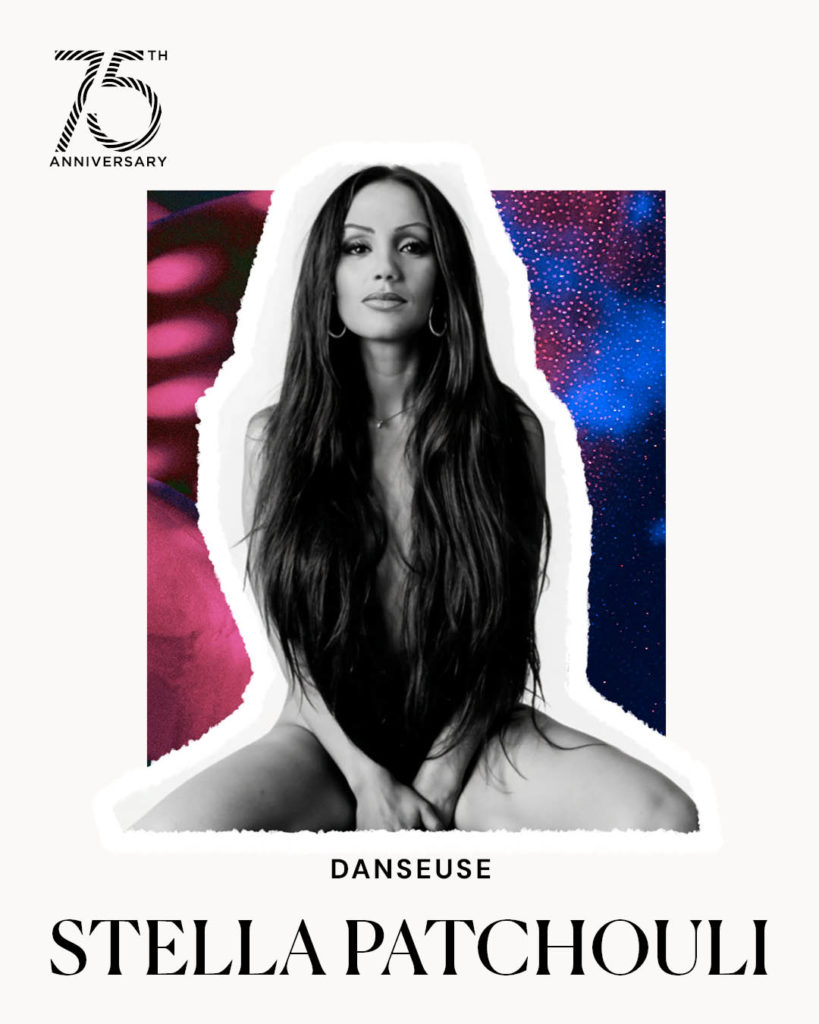
Stella Patchouli
Born in Iran, she grew up in a Swiss boarding school, where she became a polyglot (Persian, English, German, French) and trained in ballet, a discipline that would quietly shape everything that followed. As a teenager, she ran away, boarding a midnight train to Munich. Young, striking, and classically trained, she moved quickly into Europe’s nightclub circuit. Cabaret wasn’t the plan, but it was part of her destiny.